

There are many excellent books on building habits. Reading these books can help you understand how habits work and how you can use this knowledge to create positive changes in your life.

-
- “The Power of Habit: Why We Do What We Do in Life and Business” by Charles Duhigg
- “Atomic Habits: An Easy & Proven Way to Build Good Habits & Break Bad Ones” by James Clear
- “Better Than Before: What I Learned About Making and Breaking Habits” by Gretchen Rubin
- “Tiny Habits: The Small Changes That Change Everything” by BJ Fogg
- “The 7 Habits of Highly Effective People” by Stephen Covey
- “Hooked: How to Build Habit-Forming Products” by Nir Eyal
- “The Willpower Instinct: How Self-Control Works, Why It Matters, and What You Can Do to Get More of It” by Kelly McGonigal
- “Habit Stacking: 127 Small Changes to Improve Your Health, Wealth, and Happiness” by S.J. Scott
- “Making Habits, Breaking Habits: Why We Do Things, Why We Don’t, and How to Make Any Change Stick” by Jeremy Dean
- “The Miracle Morning: The Not-So-Obvious Secret Guaranteed to Transform Your Life (Before 8AM)” by Hal Elrod
- “Mini Habits: Smaller Habits, Bigger Results” by Stephen Guise
- “The Slight Edge: Turning Simple Disciplines into Massive Success and Happiness” by Jeff Olson
- “The Habit Blueprint: 15 Simple Steps to Transform Your Life” by Patrik Edblad
- “Rewire: Change Your Brain to Break Bad Habits, Overcome Addictions, Conquer Self-Destructive Behavior” by Richard O’Connor
- “Elastic Habits: How to Create Smarter Habits That Adapt to Your Day” by Stephen Guise
- The Now Habit: A Strategic Program for Overcoming Procrastination and Enjoying Guilt-Free Play by Neil Fiore
- High Performance Habits: How Extraordinary People Become That Way by Brendon Burchard
- “Good Habits, Bad Habits: The Science of Making Positive Changes That Stick” by Wendy Wood
- Habit Stacking: 127 Small Changes to Improve Your Health, Wealth, and Happiness by Steve Scott
- Small Habits Revolution by Damon Zahariades
- Daily Rituals: How Artists Work, by Mason Currey
- Drive by Daniel Pink
- The ONE Thing by Gary Keller, Jay Papasan
- Outliers by Malcolm Gladwell
- Switch: How to Change Things When Change Is Hard
- The High 5 Habit: Take Control of Your Life with One Simple Habit by Mel Robbins
- The Habit Mechanic: Fine-Tune Your Brain and Supercharge How You Live, Work, and Lead by Jon finn
These books offer a variety of perspectives, insights, and strategies for building positive habits and breaking negative ones. They cover different aspects of forming routines, including motivation, willpower, behavior change, and productivity.


Transform Your Life with InvestInHabit

Ready for real change? Join us and get over:
- 200+ Personal Development Worksheets,
- 100+ Blog Post MindMaps
for FREE! 😍 + Our newsletter offers the latest in habit formation and self-improvement, straight to your inbox.
Subscribe now and Start redefining your mindset today! Join our community committed to success!
The Power of Habit by Charles Duhigg
“The Power of Habit” by Charles Duhigg is a groundbreaking book that explores the science behind how habits are formed and how they can be changed. The book is based on extensive research, interviews with experts, and real-life examples of individuals and organizations that have successfully transformed their habits.
Duhigg’s central argument is that habits are not just random behaviors that we engage in, but rather they are powerful forces that shape our lives. Habits are formed through a three-part process called the “Habit Loop,” which consists of a cue, a routine, and a reward. According to Duhigg, understanding this process is key to changing habits.
One of the key takeaways from this habit book is that habits are not just individual behaviors, but they are also embedded in our social and cultural contexts. Duhigg explains how companies and organizations use habits to influence consumer behavior and how individuals can use social support to make positive changes in their lives.
Another important takeaway from the book is the concept of “keystone habits.” These are habits that have a ripple effect on other areas of our lives. For example, exercise can be a keystone habit that leads to improvements in health, productivity, and happiness.
Overall, “The Power of Habit” is an essential read for anyone interested in habits and behavior change. It offers valuable insights into how habits work and how they can be changed, both at the individual and organizational level.
The book is well-written, engaging, and full of practical tips and examples that readers can apply to their own lives. Whether you’re trying to break a bad habit, build a new one, or understand how habits shape our lives, “The Power of Habit” is a must-read.
This is one of the best books about habits. It’s filled with essential concepts you need to understand to develop the habits you need.
Atomic Habits by James Clear
“Atomic Habits” by James Clear is a popular self-help book that provides a practical and evidence-based approach to building good habits and breaking bad ones. The book is based on the idea that small, incremental changes can lead to significant improvements in our lives.
Clear’s central argument is that habits are not just about what we do, but also who we are. He argues that by focusing on identity-based habits, we can make lasting changes in our lives. According to Clear, the key to building good habits is to start small, make the habits easy to do, and be consistent.
One of the key takeaways from the book is the idea of “habit stacking.” This is the practice of combining new habits with existing ones. By linking new habits to established routines, we can make them easier to adopt and more likely to stick.
Another important concept in the book is the idea of “atomic habits.” These are small, incremental changes that lead to big improvements over time. Clear argues that by focusing on making small improvements every day, we can achieve significant results in the long run.
Overall, this is one of books that can help readers reach their goals by changing their habits. It’s an excellent resource for anyone looking to build good habits and break bad ones.
The book offers practical tips, real-life examples, and evidence-based strategies that readers can apply to their own lives. It is well-written, engaging, and full of actionable advice that can help readers make enduring transformations. Whether you’re trying to improve your health, productivity, or happiness, this is a must-read for anyone looking to make positive changes in their lives.
Better Than Before
“Better Than Before” by Gretchen Rubin is a self-help book that explores the psychology of habits and provides practical tips for making lasting changes. The book is based on Rubin’s own experiences with forming routines and her extensive research on the topic.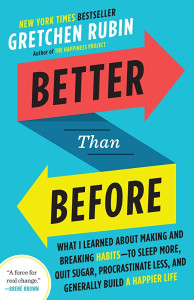
Rubin’s central argument is that there is no one-size-fits-all approach to cultivating habits. Instead, she emphasizes the importance of understanding our own personalities and tendencies in order to create habits that work for us. According to Rubin, the key to making enduring transformations.is to identify our own habit tendencies and to create habits that align with those tendencies.
One of the key takeaways from “Better Than Before” is the concept of “habit loopholes.” These are the excuses we use to justify breaking our habits. By identifying our own habit loopholes, we can create strategies to avoid them and make our habits more effective.
Another important concept in the book is the idea of “clean slate habits.” These are new habits that we adopt during times of transition, such as moving to a new city or starting a new job. According to Rubin, these times of transition offer an opportunity to create new habits and to make lasting changes in our lives.
Overall, “Better Than Before” is a valuable resource for anyone looking to understand how habits are formed and how to make sustainable improvements.
The book offers practical tips, real-life examples, and insights into the psychology of habit formation. It is well-written, engaging, and full of actionable advice that readers can apply to their own lives.
Whether you’re trying to break a bad habit or build a new one, “Better Than Before” is a must-read for anyone looking to make positive changes in their lives.
In addition to these key takeaways, “Better Than Before” also introduces the concept of the “Four Tendencies.” This framework describes how individuals respond to expectations and can help readers understand their own habit tendencies.
The four tendencies include Upholder, Questioner, Obliger, and Rebel. Understanding our own tendency can help us create habits that are tailored to our individual needs and motivations.
Rubin also emphasizes the importance of self-awareness and mindfulness in habit formation. By paying attention to our thoughts, feelings, and behaviors, we can identify patterns and make changes that lead to more effective habits.
Overall, “Better Than Before” is a valuable resource for anyone looking to make sustainable improvements in their lives. The book offers practical advice, real-life examples, and insights into the psychology of habit formation. It is a valuable tool for understanding our own habits and tendencies and for creating habits that work for us.
Whether you’re trying to break a bad habit or build a new one, “Better Than Before” is a must-read for anyone looking to make positive changes in their lives.
Tiny Habits
“Tiny Habits” by BJ Fogg is a self-help book that provides a simple and effective approach to building good habits. Fogg is a leading expert in constructing habits and his method is based on the idea that small, incremental changes can lead to significant improvements in our lives.
Fogg’s central argument is that habits are not just about willpower or motivation, but also about designing our environment and making the habits easy to do. According to Fogg, the key to building good habits is to start small, celebrate every small success, and make the habits easy to do.
One of the key takeaways from the book is the concept of “tiny habits.” These are small, specific actions that can be easily integrated into our daily schedules. By starting with small changes, we can create momentum and build larger habits over time.
Another important concept in the book is the idea of “anchoring.” This means connecting a new activity with a previously formed habit. By anchoring a new habit to an existing behavior, we can make it easier to remember and more likely to stick.
Overall, “Tiny Habits” is a great resource for learning how to build habits through small, incremental changes. The book offers practical tips, real-life examples, and evidence-based strategies that readers can apply to their own lives.
It is well-written, engaging, and full of actionable advice that can help readers make lasting changes. Whether you’re trying to improve your health, productivity, or happiness, “Tiny Habits” is a must-read for anyone looking to make positive changes in their lives.
The 7 Habits of Highly Effective People
“The 7 Habits of Highly Effective People” by Stephen Covey is a classic self-help book that has sold over 25 million copies worldwide. The book provides a framework for personal and professional development based on seven essential habits.
Covey’s central argument is that success is not just about achieving specific goals, but also about developing a mindset and a set of habits that lead to long-term success.
The seven habits outlined in the book are: be proactive, begin with the end in mind, put first things first, think win-win, seek first to understand, then to be understood, synergize, and sharpen the saw.
One of the key takeaways from “The 7 Habits of Highly Effective People” is the concept of “win-win” thinking. This involves seeking solutions that benefit all parties involved, rather than just looking out for ourselves.
Covey argues that win-win thinking is essential for building strong relationships and achieving long-term success.
Another important concept in the book is the idea of “sharpening the saw.” This involves taking care of ourselves physically, mentally, emotionally, and spiritually in order to maintain our effectiveness over the long-term.
Overall, this book about habits is a classic and essential read for anyone looking to improve their personal and professional lives. The book provides a framework for personal development that is grounded in timeless principles and values.
It is well-written, engaging, and full of practical tips and examples that you can apply to your own life.
Whether you’re trying to become a better leader, improve your relationships, or achieve your goals, this popular book is one of the best books on habits.
Hooked: How to Build Habit-Forming Products
This is one of the must-read books on this list for designers and entrepreneurs looking to create successful, habit-forming products. Author Nir Eyal provides a model for building products that are not only functional and useful but also create habits and keep users engaged.
The author draws on psychology, neuroscience, and behavioral economics to explain why certain products are habit-forming and how they can be designed to hook users.
Key takeaways:
- The Hook Model: The Hook Model is a four-step process that can be used to build habit-forming products. It consists of a trigger, action, reward, and investment.
- Triggers: Triggers are cues that prompt users to take action. They can be external or internal and should be designed to create a sense of anticipation or craving.
- Actions: Actions are the behaviors that users take in response to a trigger. They should be simple, easy to do, and offer immediate gratification.
- Rewards: Rewards are the positive outcomes that users receive for taking action. They should be pleasurable, surprising, and provide variable rewards to keep users engaged.
- Investment: Investment is the effort or resources that users put into the product. It increases their commitment to the product and makes it harder to switch to a competitor.
The Willpower Instinct
“The Willpower Instinct” by Kelly McGonigal explores the science behind self-control and willpower. The book provides practical strategies to help individuals increase their willpower and make better decisions.
McGonigal uses neuroscience and psychology research to explain why humans struggle with self-control and provides evidence-based techniques to help overcome those struggles.
Key takeaways:
- Willpower is a muscle that can be strengthened with practice.
- The prefrontal cortex, the part of the brain responsible for decision-making, can become overwhelmed and lead to poor choices.
- Mindfulness meditation can improve self-control and decision-making abilities.
- Small, incremental changes in behavior can lead to significant improvements in willpower.
- Self-compassion is key to developing willpower and overcoming setbacks.
Making Habits, Breaking Habits
“Making Habits, Breaking Habits” by Jeremy Dean is a comprehensive guide to understanding the science behind habits and how they can be changed. The book explains why we have habits, how they form, and how they can be broken. The author explores the different types of habits and provides practical tips on how to make new habits stick and break bad habits.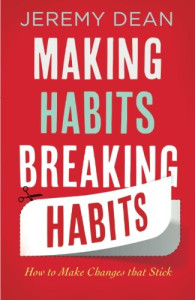
Key takeaways:
- Habits are automatic behaviors that are triggered by certain cues.
- Habits can be changed by altering the cues that trigger them.
- It takes time and effort to form new habits, but once they are established, they become automatic.
- Habits are important because they allow us to conserve mental energy and make our lives more efficient.
- Breaking bad habits requires understanding the underlying cause of the habit and finding a substitute behavior that meets the same need.
- Willpower is a limited resource, and it is important to conserve it by making small changes over time.
- Celebrating small wins along the way can help to reinforce new habits.
- Breaking bad habits requires identifying the cue that triggers the routine and changing the routine or the reward.
The Miracle Morning: The Not-So-Obvious Secret Guaranteed to Transform Your Life (Before 8AM)
“The Miracle Morning” by Hal Elrod is a self-help book that presents a morning routine designed to improve one’s life by developing positive habits.
The author introduces the concept of the “Miracle Morning,” a series of six practices that can be completed in just one hour each morning: silence, affirmations, visualization, exercise, reading, and writing. The book explains the benefits of each of these practices and provides tips for implementing them into one’s daily routine.
Key takeaways:
- The Miracle Morning routine is designed to help individuals develop a consistent morning routine that promotes personal growth and success and sets the tone for the rest of the day.
- The six practices of the Miracle Morning include silence, affirmations, visualization, exercise, reading, and writing, and each practice serves a specific purpose in promoting personal growth.
- Starting the day with a positive attitude and mindset can lead to increased productivity and success throughout the day.
Mini Habits: Smaller Habits, Bigger Results by Stephen Guise
“Mini Habits: Smaller Habits, Bigger Results” by Stephen Guise is a self-help book that aims to help readers develop good habits by starting with small, achievable actions. Guise argues that traditional advice about setting big goals and making sweeping changes is often overwhelming and counterproductive.
Instead, he suggests creating “mini habits,” which are tiny, specific actions that require minimal effort but can have a big impact over time. By focusing on small wins, Guise contends that readers can build momentum and develop long-lasting habits.
Key takeaways:
- Mini habits should be small and specific, and designed to be easily achievable.
- Consistency is more important than intensity when it comes to developing patterns.
- By starting with mini habits, readers can build momentum and gradually increase the difficulty of their habits over time.
- Guise suggests focusing on creating positive habits, rather than trying to break negative ones.
- The book also emphasizes the importance of self-compassion and celebrating small victories.
The Slight Edge
“The Slight Edge” by Jeff Olson is a self-help book that focuses on the idea that small, everyday choices can have a significant impact on our lives over time. The book argues that success is not about making big changes all at once, but rather about consistently making small, positive choices that accumulate over time. Olson suggests that by creating positive habits and consistently practicing them, anyone can achieve massive success and happiness.
Key takeaways:
- Success is built on the small, seemingly insignificant choices we make every day.
- Success is not an overnight phenomenon; it is the result of consistently practicing good habits.
- Small positive actions can compound over time to create significant results.
- The key to success is to focus on the process, not the outcome.
- Our habits and actions are what ultimately shape our lives.
The Habit Blueprint: 15 Simple Steps to Transform Your Life
“The Habit Blueprint” by Patrik Edblad is a comprehensive guide to developing and maintaining good habits.
Summary:
The Habit Blueprint is a self-help book that provides 15 simple steps to transform your life by forming good habits and breaking bad ones. These steps, inspired by scientific research, are designed to help you create lasting change and improve various aspects of your life.
Key Points:
- Habits are crucial: Your daily habits have a significant impact on your life. By understanding how habits work, you can take control of your actions and shape your future.
- The Habit Loop: The Habit Loop is a three-step process consisting of the cue (trigger), routine (action), and reward (outcome). By understanding this process, you can manipulate it to create new habits or break unwanted ones.
- Set clear intentions: To build new habits, set specific intentions and link them to a particular time or place. This helps your brain associate the new habit with a familiar situation.
- Start small: Instead of trying to change everything at once, focus on small, achievable habits that can lead to significant improvements over time.
- Make it enjoyable: To increase the likelihood of a habit sticking, incorporate elements that make it enjoyable and rewarding.
- Use habit stacking: Connect new habits to existing ones by stacking them together, making it easier to incorporate them into your daily routine.
- Be consistent: Consistency is key to habit formation. Aim to perform your new habit daily or on a regular schedule.
- Track your progress: Keep track of your habit streaks and celebrate milestones to stay motivated.
- Plan for obstacles: Identify potential challenges and prepare strategies to overcome them, ensuring your habit stays on track.
- Create a supportive environment: Design an environment that encourages the development of your new habits and minimizes distractions.
- Leverage social support: Share your habit goals with friends or join groups with similar interests to gain encouragement and accountability.
- Use reminders: Set up visual or audible reminders to help you stay on track with your habits.
- Reward yourself: Positive reinforcement is essential for habit formation. Reward yourself after successfully completing your new habit.
- Review and adjust: Regularly review your habits and make adjustments as needed to continue progressing.
- Focus on the process: Emphasize the importance of the process over the outcome. Trust that consistently practicing your habits will lead to the desired results.
Rewire: Change Your Brain to Break Bad Habits, Overcome Addictions, Conquer Self-Destructive Behavior
Author: Richard O’Connor
Summary:
Rewire, by Richard O’Connor, is among the best habit books that provide practical strategies for breaking bad habits, overcoming addictions, and conquering self-destructive behavior. The author, a psychotherapist, explains how the brain functions and how it can be rewired to change negative patterns of thinking and behavior, making it a valuable addition to the list of books on habit development.
Key Points:
- Understand the brain: The brain is a complex organ that can be rewired to replace bad habits with healthier ones. By understanding the science behind the brain’s functioning, you can work on building better habits more effectively.
- Identify self-destructive behaviors: Recognize and accept the negative habits and patterns that are holding you back. This self-awareness is crucial for initiating change.
- Mindfulness: Practice mindfulness to become more aware of your thoughts, feelings, and actions. This increased awareness can help you catch negative habits before they take hold and guide you towards making better choices.
- Change your thoughts: Replace negative thoughts and self-talk with positive affirmations and empowering beliefs. By doing so, you can create a more positive mindset and improve your overall well-being.
- Develop new habits: Form healthier habits by consistently practicing new behaviors and reinforcing them through repetition. Over time, these new habits will become automatic and replace the old, self-destructive ones.
- Set realistic goals: Break your larger goals into smaller, manageable steps to avoid feeling overwhelmed and maintain motivation.
- Build a support network: Share your goals and challenges with friends, family, or professionals who can provide encouragement, guidance, and accountability.
- Be patient: Changing habits and rewiring your brain takes time and persistence. Don’t get discouraged by setbacks; instead, learn from them and keep moving forward.
By following these strategies and understanding the science behind habit formation, you can break free from self-destructive patterns and create lasting, positive change in your life.
Elastic Habits: How to Create Smarter Habits That Adapt to Your Day
Author: Stephen Guise
Summary:
Elastic Habits, by Stephen Guise, is a self-help book that introduces a flexible approach to forming routines. The author provides insights into creating smarter habits that can adapt to your day and help you become more resilient in the face of challenges and changes.
Key Points:
- Traditional habits can be rigid: Traditional habit building methods often lack flexibility, making it difficult to maintain habits when life gets in the way. This books helps to provide a more adaptable alternative.
- The concept of Elastic Habits: Elastic habits are designed to be flexible and adaptable, allowing you to adjust your habits based on your circumstances, energy levels, and available time.
- Three levels of habits: mini, plus, and elite. These levels allow you to choose the appropriate intensity for your habit depending on your situation, making it easier to maintain consistency.b. Plus habits: Moderate actions that require more effort and time than mini habits but are still achievable.
- a. Mini habits: Small, easy-to-accomplish actions that require minimal effort and time.
- c. Elite habits: Challenging actions that require a significant amount of effort and time, pushing you to excel.
- Choose the right level: Depending on your daily circumstances, choose the level that suits your needs. This flexibility enables you to maintain your habits consistently without feeling overwhelmed or discouraged.
- Habit tracking: Use a habit tracking system to monitor your progress and adjust your habits as needed. This accountability can help you stay focused and motivated.
- Building resilience: These habits promote resilience by helping you adapt to life’s challenges and changes. They make it easier to bounce back from setbacks and maintain your habits despite obstacles.
- Experimentation and personalization: Embrace experimentation and customize your habits to fit your preferences, lifestyle, and goals. This personalization can increase your chances of success and make habit building more enjoyable.
By adopting the habits mentioned, you can create a more adaptable and resilient approach to forming routines. This flexibility allows you to maintain consistency in your habits, even when life throws curveballs, ultimately leading to greater success and personal growth.
The Now Habit: A Strategic Program for Overcoming Procrastination and Enjoying Guilt-Free Play
by Neil Fiore
Summary:
The Now Habit is a self-help book that provides a strategic program for overcoming procrastination and enjoying guilt-free play. Author Neil Fiore, a psychologist, offers practical solutions to help readers break the cycle of procrastination and manage their time more effectively.
Key Points:
- Procrastination is a coping mechanism: People often procrastinate to avoid feelings of anxiety, fear of failure, or perfectionism. Understanding the root cause of procrastination is essential for overcoming it.
- The Unschedule: Create an “Unschedule,” a weekly calendar that prioritizes leisure activities, relaxation, and self-care. By scheduling enjoyable activities first, you establish a healthy work-life balance and make work more appealing.
- Focus on starting, not finishing: Shift your mindset from trying to finish tasks to simply starting them. This approach reduces the pressure associated with completing tasks and makes it easier to overcome procrastination.
- Break tasks into smaller steps: Divide large tasks into smaller, more manageable pieces. This strategy helps to reduce feelings of overwhelm and makes it easier to tackle tasks.
- Set realistic goals: Setting achievable goals helps to reduce anxiety and fear of failure. Recognize that perfection is not always attainable and focus on progress instead.
- Use the “Work in Progress” technique: Work on tasks for short, focused periods of time (e.g., 30 minutes) with scheduled breaks in between. This method improves productivity and prevents burnout.
- Overcome negative self-talk: Replace self-defeating thoughts with positive, empowering statements to boost your motivation and self-confidence.
- Reward yourself: Celebrate your accomplishments and reward yourself for overcoming procrastination. This positive reinforcement helps to build momentum and maintain motivation.
- Develop a support network: Share your goals and challenges with friends, family, or colleagues to gain encouragement and accountability.
By implementing these strategies, readers can overcome procrastination, manage their time more effectively, and enjoy a more balanced, productive life.
High Performance Habits: How Extraordinary People Become That Way
Author: Brendon Burchard
Summary:
High Performance Habits, by Brendon Burchard, is a self-help book that focuses on the habits and practices of highly successful individuals. Burchard’s research identifies six habits that high performers consistently exhibit, which can be learned and adopted by anyone to achieve extraordinary results in their personal and professional lives.
Key Habits:
- Seek Clarity: High performers consistently seek clarity in their goals, intentions, and values. They know what they want and are able to articulate their vision, making it easier to take action.
- Generate Energy: High performers are able to maintain high levels of energy throughout the day by focusing on their health and well-being. They prioritize exercise, nutrition, sleep, and mindfulness practices to maximize their performance.
- Raise Necessity: High performers have a strong sense of purpose and urgency, recognizing that their actions have a significant impact on themselves and others. They cultivate a sense of necessity to help drive their motivation and commitment.
- Increase Productivity: High performers are highly focused and disciplined when it comes to their work. They prioritize their most important tasks, set specific deadlines, and eliminate distractions to maximize their productivity.
- Develop Influence: High performers understand the importance of building strong relationships and gaining the support of others. They develop their communication and persuasion skills to effectively influence those around them.
- Demonstrate Courage: High performers are willing to take risks and face challenges head-on. They embrace discomfort, are open to feedback, and are willing to make difficult decisions in pursuit of their goals.
By understanding and adopting these six high-performance habits, individuals can unlock their full potential and achieve success in all aspects of their lives.
Conclusion on the best books on habits
In this article, we explored 10 notable books on habits, each with its own unique approach to developing good habits. Each book explores valuable insights into the science and psychology of constructing habits.
- The importance of developing good habits:
Developing good habits is essential for achieving success and happiness in all areas of life. Good habits can help us maintain our physical and mental health, improve our relationships, and achieve our goals. They also help us to become more productive, focused, and efficient, which in turn can lead to greater success and satisfaction.
- Encouragement for readers to start developing good habits:
It’s never too late to start developing good habits, and there’s no better time than now to get started. Whether you’re looking to improve your health, your career, your relationships, or any other area of your life, developing good habits is the key to achieving your goals.
So take the knowledge and insights gained from these books and start taking action to develop the habits that will help you reach your full potential. Remember, small steps taken consistently over time can lead to massive results.
21 Best Habit Books to Help Change Your Life and Build Better Habits
Building better habits can be a game-changer in improving your life and achieving your goals. These 21 best habit books provide insights into forming routines, productivity, and personal development, guiding you on a path to breaking bad habits and cultivating positive ones.
Notable authors like James Clear, Charles Duhigg, Stephen Guise, Brendon Burchard, and BJ Fogg have penned some of the best books on habits, focusing on how to form new habits, stick to them, and replace negative habits with healthier alternatives.
Books such as “Atomic Habits” by James Clear and “The Power of Habit” by Charles Duhigg are renowned for offering practical advice on daily habits and cultivating habits. These books, along with others on this list, have the potential to change your life and set you on a path to success.
Reading books about building better habits can provide you with the tools and knowledge to improve your productivity and overall well-being. Whether you want to change behavior, develop habits of successful people, or learn how to overcome negative habits, these habit books are perfect for you.
These books can help you change your life by building better habits that contribute to your personal and professional growth. By understanding the principles of habit development, you can create routines that help you achieve your goals, even when change is hard.
This comprehensive list of books offers something for everyone, whether you’re looking for a personal development book or simply want to learn about the habits of successful people. Start your journey towards a more fulfilling life by reading these habit books and applying their lessons to your own life.
Transform Your Habits, Transform Your Life
Are you ready to turn the page to a new chapter in your life?
Stop dreaming, start achieving. Our exclusive newsletter delivers:
- Science-backed hacks: Master the psychology of habit formation used by CEOs and Olympians.
- Actionable strategies: No fluff, just practical steps to crush procrastination and dominate your goals.
- + a FREE surprise bonus 🎁 to jumpstart your transformation!
Don’t settle for mediocre. Subscribe now!