

Welcome to our insightful exploration of trust in relationships, where we delve into the heart of what truly keeps connections strong and resilient. Curious about the glue that binds partners together through life’s twists and turns? Look no further.

In this blog, we’re uncovering the secrets of trust – from its formation in new relationships to its maintenance and even how it can be restored when it has been shaken or challenged. With the latest insights and research at our fingertips, we’re dissecting every aspect, including the initial spark of trust and how it evolves into a deep, enduring bond.
Whether you’re aiming to enhance your current relationship, seeking healing from past trust issues, or just intrigued by the mechanics of trust, you’ve landed in the perfect spot.
Join us as we navigate the complex yet fascinating landscape of trust in relationships, offering you essential tips, expert advice, and thought-provoking perspectives.
Let’s embark on this journey together, exploring the intricate world of trust in relationships. Let’s dive in! 🌟💕
Inside this Article
Understanding Trust in Relationships
Defining Trust and Its Significance
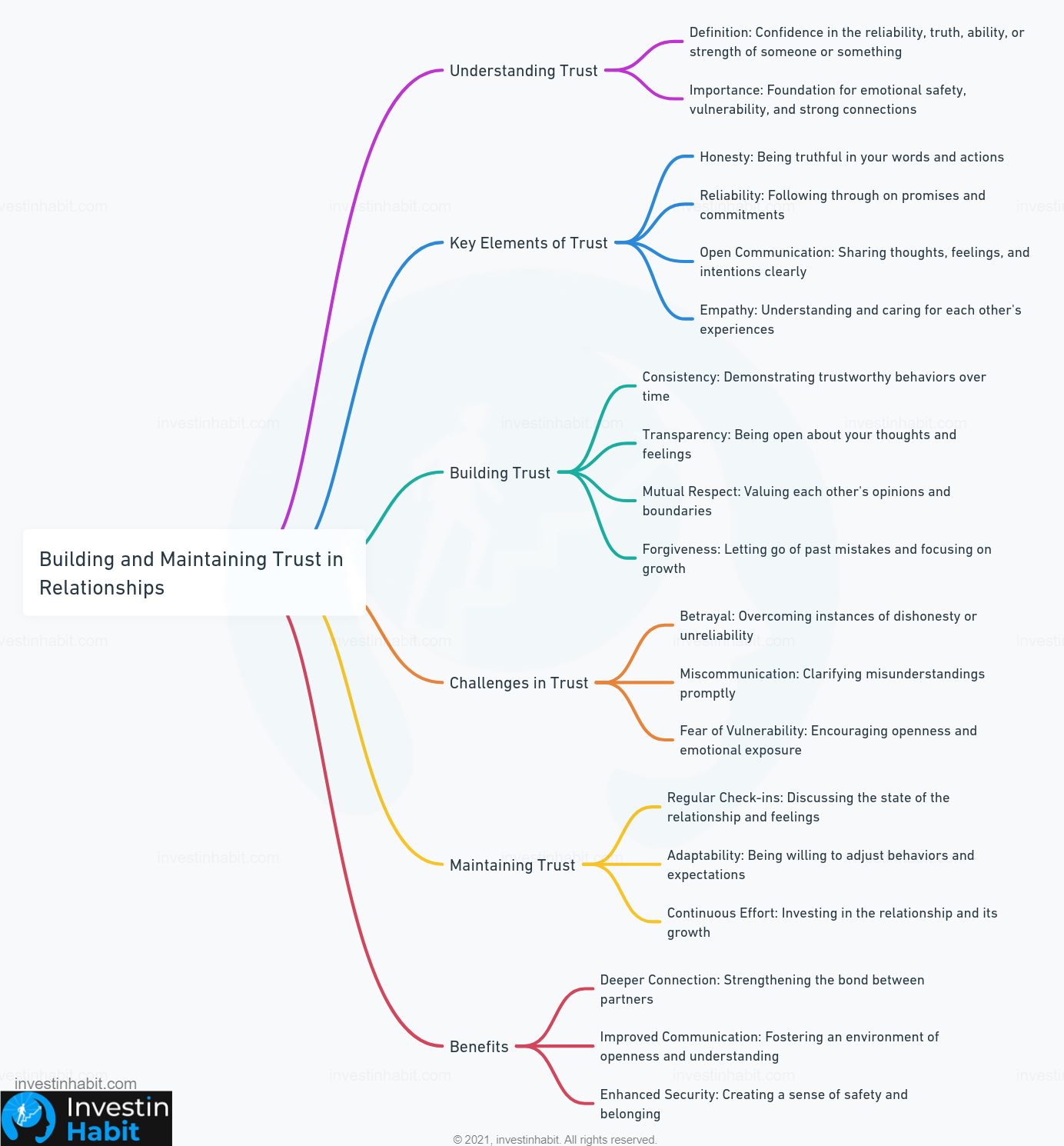
Trust in interpersonal relationships is a multifaceted concept, encompassing the belief in the reliability, truth, ability, or strength of someone. It’s a fundamental component of any strong, healthy relationship. Trust is not just about believing that someone won’t lie to you or cheat on you; it extends to trusting them to support you, to handle responsibilities, and to act in your best interest.
- Significance in Relationships: Without trust, relationships are likely to face significant challenges, including insecurity, conflict, and dissatisfaction. Trust provides a sense of safety and allows for vulnerability between partners, which is crucial for deepening the connection and fostering mutual understanding and respect.
Trust in relationships is the confident belief that someone is reliable, honest, and acts in your best interest. It fosters emotional intimacy and vulnerability, forming the foundation for healthy connections.
Psychological and Emotional Aspects of Trust
- Psychological Aspects: Psychologically, trust involves a complex mix of emotions, expectations, and beliefs. It is influenced by past experiences and deeply affects how we approach future relationships. A lack of trust can stem from previous betrayals or disappointments and can lead to a protective stance in relationships to avoid potential hurt.
- Emotional Aspects: Emotionally, trust is intertwined with feelings of security and safety in a relationship. It allows individuals to open up, share their feelings, thoughts, and dreams without fear of judgment or betrayal. When trust is present, people feel more relaxed, confident, and connected to their partner. Conversely, the absence of trust can lead to anxiety, fear, and a sense of instability in the relationship.

The Importance of Trust in Partnerships: Insights from NCBI Research
- NCBI Research Findings: The research from the National Center for Biotechnology Information (NCBI) highlights the crucial role of trust in romantic partnerships. It demonstrates that trust is not just a nice-to-have aspect but is integral to the longevity and quality of relationships. The study likely delves into how trust influences communication, conflict resolution, and overall relationship satisfaction. Trust is shown to be a predictor of a relationship’s resilience and ability to withstand challenges.
- Implications of the Research: The NCBI findings suggest that cultivating trust in relationships is vital for their health and sustainability. This may involve consistent and honest communication, mutual respect, empathy, and the ability to forgive and move past conflicts.
To explore the NCBI research in detail and understand its implications for interpersonal relationships, you can access the study here.

Transform Your Life with InvestInHabit

Ready for real change? Join us and get over:
- 200+ Personal Development Worksheets,
- 100+ Blog Post MindMaps
for FREE! 😍 + Our newsletter offers the latest in habit formation and self-improvement, straight to your inbox.
Subscribe now and Start redefining your mindset today! Join our community committed to success!



The Consequences of Distrust
 Imagine distrust as a small leak in a boat. At first, it seems manageable, but if left unchecked, it can sink the whole ship!
The Escalation of Issues
So, Vishnu Subramaniam, a relationship expert, points out something pretty insightful. He suggests that when there’s distrust, small issues can quickly escalate into major conflicts. It’s like when you’re watching a thriller, and the suspense just keeps building. In relationships, this kind of tension can create a pretty uncomfortable atmosphere.
- Vishnu’s Take: He highlights that trust is about believing your partner has your best interests at heart. Without this belief, every little action can be misinterpreted, leading to a cycle of suspicion and resentment.
- Real-Life Example: Remember Tom’s jealousy at the party? His distrust led to accusations and hurt feelings, turning a simple conversation into a big issue.
The Psychological Rollercoaster

Distrust can really mess with our heads. It’s like being on an emotional rollercoaster where you’re constantly second-guessing your partner and yourself.
- Anxiety and Insecurity: Without trust, you might feel anxious or insecure in the relationship. It’s like having an alarm in your head that never stops ringing, warning you of potential danger.
- Impact on Self-Esteem: Distrust can also take a toll on your self-esteem. You might start questioning your worth, wondering why your partner doesn’t trust you, or why you can’t trust them.
- Manifestations in Relationships: This can show up in various ways, like being overly possessive, needing constant reassurance, or even avoiding intimacy because you’re scared of getting hurt.
Navigating through distrust is tricky. It’s like trying to find your way through a maze in the dark. But here’s the deal: recognizing the issue is the first step towards fixing it.
It’s about having honest conversations and maybe even seeking help from a counselor or therapist. Remember, it’s okay to have bumps on the road, but let’s try to keep our relationship boat afloat and steer towards smoother waters.
Ready to keep sailing? 🚢💕

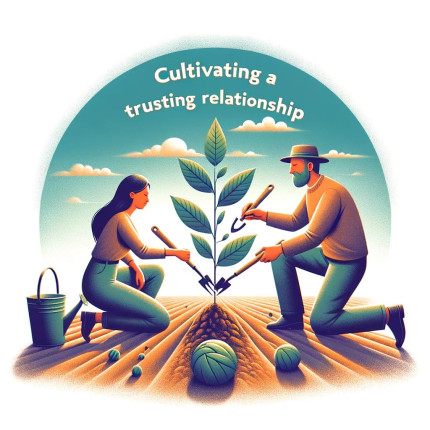 Let’s roll up our sleeves and get into how we can nurture this garden of trust together.
 Let’s do a quick recap of what we’ve discovered: