

Imagine yourself stepping into a vibrant social gathering. Confidence radiates from you, and you easily connect with others. Now, contrast that with feeling hesitant and self-conscious. Interactions become strained, and true connection seems elusive. This is the power of self-image. Our perception of ourselves significantly influences how we navigate the world, especially in our relationships.
When we hold a positive self-image, we approach social situations with a sense of confidence and openness. We’re more likely to express ourselves authentically, engage actively in conversations, and build trust with others. Conversely, a negative self-image can manifest as social anxiety, self-doubt, and difficulty in building rapport.
Therefore, understanding the intricate link between self-image and interpersonal relationships is vital. By acknowledging this connection, we can embark on a journey towards fostering healthier, more fulfilling connections with the people around us.
Inside this Article
Understanding Self-Image
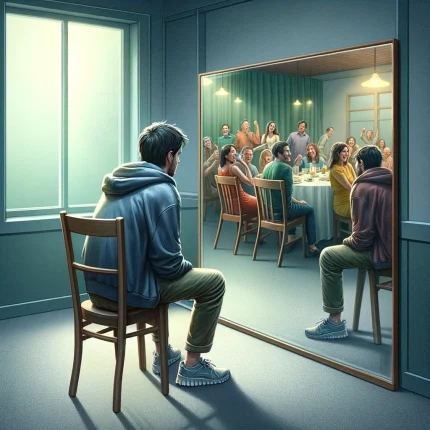
Have you ever wondered why you sometimes feel like a social butterfly, effortlessly flitting from conversation to conversation, while other days the thought of meeting new people sends shivers down your spine? Well, a big part of this can be traced back to our self-image, the unique lens through which we see ourselves.
You know, it’s that mental picture we all carry around, the one that profoundly shapes how we see ourselves and how we think the world sees us.
Think of it like your internal filter. It shapes how you perceive your strengths, weaknesses, and overall value. This self-image is a complex puzzle with several key pieces:
- Self-esteem: This refers to how much you value and appreciate yourself. It’s the inner voice whispering (or sometimes shouting) your worth.
- Self-concept: This encompasses your beliefs about your skills, abilities, and personality traits. It’s the image you hold in your mind about who you are.
Now, you might wonder, “Where does all this come from?” Well, our self-image is like a mosaic, crafted from our personal experiences, the social interactions we have, and, of course, the ever-pervasive media. Each piece adds a shade, a tone, or a pattern to the picture. Think about the last compliment you received or the recent post you saw on social media that made you feel a certain way about yourself. All these moments add up, influencing how we view ourselves.
From childhood triumphs to life’s challenges, our experiences leave a mark. Overcoming a hurdle can boost our confidence, while negative experiences might lead to self-doubt. How others perceive and interact with us can also significantly shape our self-image. Positive feedback and supportive relationships nurture a positive self-view, while criticism or rejection can chip away at it.
Social media bombards us with images and messages that can influence how we see ourselves. It’s crucial to be mindful of these portrayals and not get caught in the comparison trap.
Here’s the crucial part: your self-image isn’t set in stone. It’s constantly evolving throughout our lives. Just like your favorite pair of jeans might not fit the same way over time, your self-image can change and adapt based on new experiences, personal growth, and the conscious choices you make. Just like a sculptor continuously refining a masterpiece, you have the power to reshape your self-image over time.
This inherent changeability holds immense potential. This means you have the power to rewrite the narrative and cultivate a more positive and realistic self-perception.
By understanding the factors shaping our self-image, we can embark on a journey of self-discovery and cultivate a more positive and realistic perception of ourselves, paving the way for healthier and more fulfilling relationships.
Ready for real change? Join us and get over: for FREE! 😍 + Our newsletter offers the latest in habit formation and self-improvement, straight to your inbox. Subscribe now and Start redefining your mindset today! Join our community committed to success!
Transform Your Life with InvestInHabit

The Role of Self-Image in Interpersonal Relationships

First off, imagine having a positive self-image. It’s like walking around with this inner glow, feeling good about who you are. This confidence doesn’t just stay bottled up inside; it spills over into your interactions, making them more open, genuine, and, well, happy. When you believe in yourself, you’re more likely to engage in healthy relationships. You know, the kind that’s built on mutual respect and understanding. It’s pretty amazing how seeing the good in ourselves allows us to see the good in others, isn’t it?
But, life isn’t always a smooth ride, and sometimes, our self-image takes a hit.
This is where things get a bit tricky. A negative self-image can sneak into our relationships like an uninvited guest, bringing along friends like insecurity, jealousy, and communication breakdowns. Ever found yourself doubting your worth in a relationship or feeling jealous for no good reason? That’s your self-image talking. These feelings can lead to misunderstandings and, in some cases, push people away. It’s a tough spot to be in, but the good news is, it’s not the end of the story.
I’ve come across some compelling case studies and research that shed light on this very topic. For instance, studies have shown that individuals with a healthier self-image tend to have more satisfying and stable relationships. They’re better at communicating, navigating conflicts, and expressing their needs. On the flip side, those struggling with their self-image often find themselves in a cycle of unsatisfying relationships, which, sadly, can further dent their self-esteem.
Cultivating a positive self-image is an investment not just in your own well-being, but also in the health and happiness of your relationships.
Understanding this link between self-image and relationships gives us an important realization. It means we can work on improving our self-image not just for our own sake, but to enrich our relationships too. Remember, it’s a journey, and every step towards a positive self-image is a step towards healthier, more fulfilling connections with the people around us.
So, what do you say? Ready to join me on this journey of self-discovery and relationship building? Let’s tackle it together, with kindness, patience, and a whole lot of self-love. After all, the relationship we have with ourselves sets the foundation for all other relationships in our lives.
Here’s how a positive self-image works its magic:
- Confidence is contagious: When you believe in yourself, it shows! You’re more likely to approach others with an open and optimistic attitude, fostering trust and creating a positive atmosphere.
- Healthy boundaries become second nature: A strong self-image empowers you to set healthy boundaries in your relationships. You know your worth and can comfortably say “no” when needed, leading to more balanced and respectful interactions.
- Effective communication flourishes: Feeling good about yourself makes it easier to express your needs and desires clearly. You’re also more receptive to listening to others, creating a space for genuine communication and deeper understanding.
Now, let’s flip the mirror. A negative self-image can cast a shadow on your relationships in a few ways:
- Insecurity creeps in: When you doubt your worth, you might become overly dependent on others for validation. This can lead to possessiveness and jealousy, harming trust and intimacy.
- Communication breakdowns: If you constantly downplay your own thoughts and feelings, it becomes difficult to express yourself effectively. This can lead to misunderstandings and create distance in your relationships.
- Attracting negativity: Sometimes, a negative self-image can attract unhealthy relationships. You might settle for situations that don’t truly serve you because you believe you don’t deserve better.
Neuroscience Behind Self-Image and Relationships
The interaction between self-image and social relationships is a dynamic dance guided by neural circuits. How we perceive ourselves can influence which social cues we pay attention to and how we interpret them, creating a feedback loop that either strengthens or undermines our self-image. For example, if someone has a positive self-image, they’re more likely to notice and internalize positive social feedback, further enhancing their view of themselves. Conversely, those with a negative self-image might be more attuned to criticism or rejection, reinforcing negative perceptions.
When individuals with a positive self-image receive affirming feedback from their social environment, it activates neural pathways associated with reward and positive reinforcement, such as those involving the ventral striatum and the medial prefrontal cortex. This not only bolsters their positive self-perception but also encourages them to seek out similar positive interactions, creating a virtuous cycle that further solidifies their positive view of themselves.
Conversely, for those with a negative self-image, the brain’s focus might shift towards signals of social disapproval or rejection, engaging areas like the anterior cingulate cortex and the insula, which are involved in processing emotional pain and distress. This heightened sensitivity to negative feedback can reinforce their negative self-perceptions, trapping them in a cycle where their brain’s wiring predisposes them to notice and internalize criticisms more intensely than praises.
Communication and Self-Image

Have you ever noticed how feeling good about yourself can make you more open and articulate in conversations? That’s your positive self-image at work! It boosts your confidence, helping you express your thoughts and feelings more clearly and effectively. This doesn’t just make for smoother chats; it strengthens bonds with others too. Pretty cool, right?
But here’s the flip side – when our self-image is a bit off, our communication can take a hit too. Imagine a day when you’re not feeling your best about yourself. Chances are, you might withdraw from conversations, or perhaps you’re more likely to misunderstand others or jump to conclusions. These moments can lead to those pesky misunderstandings and conflicts we all want to avoid. It’s all interconnected – how we see ourselves influences how we interact with the world around us.
Let’s delve into this connection:
- Confidence translates to clarity: When you feel good about yourself, you’re more likely to communicate clearly and directly. You express your thoughts and needs assertively, minimizing confusion and misunderstandings.
- Active listening takes center stage: A positive self-image allows you to focus on truly understanding the other person’s perspective. You’re less preoccupied with self-doubt and more open to receiving feedback, fostering deeper connections.
- Healthy conflict resolution becomes possible: With a strong sense of self, you’re better equipped to navigate disagreements in a constructive way. You can advocate for your needs while respecting the other person’s point of view.
On the other hand, a negative self-image can create communication roadblocks:
- Passive communication: If you doubt your own opinions, you might resort to passive communication, like mumbling or avoiding eye contact. This can lead to frustration for both parties in the conversation.
- Misinterpreting cues: When you view yourself negatively, you might misinterpret neutral cues as criticism or rejection. This can lead to unnecessary conflict and emotional hurt.
- Difficulty expressing needs: Feeling unworthy can make it challenging to express your needs and desires clearly. This can leave you feeling unheard and unsatisfied in your relationships.
I’ve seen some fascinating examples of this in action. Like someone who’s unsure about their worth in a friendship might read too much into a friend’s offhand comment, sparking unnecessary drama. Or consider how difficult conversations can become if one person constantly feels the need to prove themselves, often leading to defensive or aggressive communication styles.
Here’s the good news: By working on your self-image, you can dramatically improve your communication skills!
So, what can we do about it? It starts with being kind to ourselves, recognizing our worth, and embracing our strengths and flaws. Self-awareness exercises can be a game-changer here, helping us understand and adjust the way we perceive ourselves.
Practicing positive self-talk is another powerful strategy. It’s about swapping those “I can’t” or “I’m not good enough” thoughts with more affirming ones, like “I’m learning” or “I’m worthy.” And don’t forget the magic of seeking feedback and support from people we trust. It can provide a fresh perspective, helping us see ourselves in a new light and, consequently, improving how we communicate with others.
- Challenge negative self-talk: Pay attention to your inner critic and actively challenge those thoughts. Replace them with more realistic and positive affirmations.
- Focus on your strengths: Make a list of your strengths and accomplishments. Reflecting on your positive qualities can boost your confidence and self-esteem.
- Practice assertive communication: Communicate your needs and desires clearly and directly, using “I” statements to avoid accusatory language.
Embarking on this journey of enhancing our self-image doesn’t just benefit us individually; it transforms our interactions and relationships in the most beautiful ways. So, are you ready to explore how a healthier self-image can lead to more meaningful and effective communication? Let’s dive in together, with openness, patience, and a whole lot of self-compassion. After all, the way we talk to ourselves influences the way we talk to the world.
Self-Image and Relationship Choices

Now, let’s venture into something quite intriguing: how our self-image shapes the choices we make in our friendships and romantic relationships. It’s like being a detective in your own life, uncovering how your inner view of yourself influences the cast of characters around you.
Ever wondered why we’re drawn to certain people? It turns out, our self-image plays a big role. When you have a positive view of yourself, you’re more likely to seek out folks who treat you with respect and kindness—people who mirror the value you see in yourself. It’s like being attracted to those who reflect the best version of you back.
If you have a positive self-image, you’re more likely to be drawn to people who uplift and support you.
But here’s a twist: sometimes, we lean towards relationships that echo our insecurities and doubts. If you’re struggling with your self-image, you might find yourself in friendships or romantic partnerships that reinforce those negative feelings. It’s a bit like looking for external confirmation of what we believe about ourselves, even if it’s not the best reflection.
We unconsciously seek out relationships that reflect our existing self-image, even if it’s negative. This can be because the familiar, even if unhealthy, feels comfortable.
This dance between self-image and relationship choices gets even more fascinating when we consider the concept of congruence and incongruence. Congruence is when your self-image and how others see you line up—it’s harmony in the choir of life. Incongruence, on the other hand, is when there’s a mismatch. And here’s the kicker: congruence tends to lead to more satisfying and lasting relationships. Why? Because it feels good when our inner view of ourselves matches the feedback we get from our relationships.
So, how does this play out in real life? Think about a friend who always cheers on your dreams. This support likely strengthens your self-image and deepens your bond. Conversely, if someone constantly undermines you, it can create a rift, especially if it clashes with how you see yourself or aspire to be.
Understanding this dynamic offers powerful insights. It means that by working on our self-image, we not only enhance our own well-being but also naturally gravitate towards healthier, more fulfilling relationships. It’s like adjusting your internal compass to navigate towards positive connections that uplift and support you.
As we dive deeper into this journey, I encourage you to reflect on your relationships. Are they reinforcing the best parts of your self-image, or are they mirroring back doubts and insecurities? Remember, you have the power to choose relationships that celebrate who you are and who you want to be.
So, are you ready to explore this intricate web of self-image and relationships? Let’s embark on this exploration together, discovering how to cultivate a self-image that attracts joy, love, and fulfillment into our lives. After all, the better we understand ourselves, the better our relationships will be.
Transform Your Life with InvestInHabit
Ready for real change? Join us and get over:
- 200+ Personal Development Worksheets,
- 100+ Blog Post MindMaps
for FREE! 😍 + Our newsletter offers the latest in habit formation and self-improvement, straight to your inbox.
Subscribe now and Start redefining your mindset today! Join our community committed to success!
Self-Image and Relationship Dynamics

First up, think about power dynamics.When someone has a positive self-image, they feel confident in their own abilities and worth within a relationship and they’re likely to feel more secure in their role within a relationship.
They don’t feel the need to constantly compete or prove themselves, because their self-esteem isn’t dependent on external validation.
This security allows them to share the stage, metaphorically speaking. They’re comfortable giving their partner the spotlight and celebrating their successes, without feeling threatened or diminished. They can also confidently express their own needs and desires, knowing they deserve to be heard and respected.
Imagine a relationship built on a foundation of abundance, not scarcity. When someone has a positive self-image, they view their strengths and value as something to share, not hoard.
A positive self-image empowers partners to share the stage, not compete for it, fostering a balanced and fulfilling relationship.
On the flip side, if someone’s self-image is a bit on the negative side, they might either shy away from asserting themselves or overcompensate, trying to tip the scales in their favor to feel more in control. Fascinating, isn’t it?
Imagine someone feeling so unsure of themselves that they just can’t muster the courage to speak up. It’s like they have this little voice inside telling them they’re not quite up to par with others. This can lead them to stepping back, not sharing their thoughts or standing up for what they need. It’s as if they’re wearing an invisible cloak, trying to blend into the background to avoid any possibility of rejection or criticism. The tricky part? The more they silence themselves, the louder that little voice of doubt becomes, reinforcing those very fears and insecurities they’re trying to avoid.
Then there’s the flip side—overcompensation. Picture someone swinging the pendulum way over to the other side, where they try to take up as much space as possible, maybe even more than they need. It’s like they’re putting on a superhero cape, but instead of saving the day, they’re trying to save face, all in an effort to mask those nagging feelings of not being good enough. They might dominate conversations, make decisions without much input from others, all to feel a semblance of control. But, just like in comic books, every superhero has their kryptonite. In this case, it’s the risk of pushing people away, creating tension, or making others feel like side characters in their story.
Both these ways of dealing with a negative self-image are kind of like defense mechanisms. They’re strategies to deal with those inner doubts, but they often end up complicating relationships instead of making them smoother. Recognizing these tendencies in ourselves or others can be a great first step. It opens up the chance to chat about it and work through it.
Now, onto communication patterns. With a strong, positive self-image, you’re more likely to communicate openly and assertively. It’s like having a clear channel where your thoughts and feelings can flow freely, without fear of judgment. This openness fosters understanding and connection.
However, if someone’s feeling a bit down on themselves, their communication might take on a different flavor—perhaps more defensive or withdrawn, as if they’re wearing armor to protect their fragile self-view. It’s all about how we see ourselves and how this perception shapes our interactions.
Conflict resolution is another area where self-image plays a starring role. Imagine you’re confident in who you are; you’re likely to approach conflicts with a problem-solving mindset, focusing on finding a solution that works for everyone. It’s like being a diplomat in your own personal relationships. However, if self-doubts cloud your self-perception, conflicts might feel like personal attacks, leading to responses that are either overly confrontational or avoidant.
When you have low self-esteem, your inner voice can be a harsh critic. It’s constantly pointing out flaws and highlighting mistakes. So, when there’s a disagreement, it can be easy for that inner critic to jump in and amplify the other person’s words. A simple statement like “I disagree with that approach” might be interpreted by someone with low self-esteem as “You’re bad at this and always mess things up.”
If self-doubts cloud your self-perception, conflicts can quickly escalate. When someone questions their own worth, any disagreement might be interpreted as a personal attack on their character or abilities.
 Because their sense of worth is already fragile, any criticism, even if it’s not personal, can feel like an attack on their entire identity. They might personalize the disagreement and think things like “If I can’t do this right, then I’m worthless.” This defensiveness is a way to protect their already shaky sense of self.
People with low self-esteem often have a black and white way of thinking. They see things as either right or wrong, good or bad. During a conflict, this can make it difficult to see different perspectives. They might interpret any disagreement as the other person being completely wrong and them being completely right. This reinforces the feeling of being attacked.
People with low self-esteem also often tie their sense of worth to external validation. So, any disagreement can feel like a threat to their value as a person. This defensiveness stems from a deep-seated fear of rejection and a need to protect their fragile self-image.
A healthy sense of self-esteem allows you to acknowledge your mistakes and take responsibility for your actions. When you have low self-esteem, it can be difficult to accept blame.
The way we perceive ourselves can significantly influence our approach to resolving disagreements, aiming for harmony or inadvertently fueling the fire.
Understanding these dynamics isn’t just about observing others; it’s a mirror reflecting back on us. Recognizing how our self-image influences our role in relationships can be a powerful tool for growth and improvement. It’s about asking, “How do I see myself, and how does this affect my interactions with those around me?”
So, as we navigate the complex world of relationships, let’s keep an eye on the role our self-image plays. By understanding and working on our self-perception, we can foster healthier, more balanced dynamics with others. It’s a journey worth taking, filled with insights and opportunities for personal growth. Ready to explore further? Let’s go!
Our self-image and social relationships are locked in a fascinating dance. The way our brains are wired influences how we interact with others, and those interactions, in turn, shape how we see ourselves. It’s not a one-way street though. Positive social experiences and encouraging feedback can boost our self-image, while negative interactions can chip away at it. This complex interplay highlights the power of social connection – it can reinforce our existing self-perception or, with the right support, help us rewrite our internal narrative for the better.
Improving Self-Image for Better Relationships

Now, let’s get down to the exciting part: actively working on our self-image to enhance our relationships. Imagine it as embarking on a journey of self-discovery that not only benefits you but also the people you care about. It’s about becoming the best version of yourself, for yourself and for others.
First up, let’s talk self-awareness exercises. These are like your personal toolkit for digging deep and understanding the ‘why’ behind your self-image. Journaling is a fantastic start—write down your thoughts, feelings, and how you see yourself. Reflect on these entries to identify patterns or beliefs that might not be serving you well. Ever tried standing in front of a mirror and pointing out things you appreciate about yourself? It might feel a bit awkward at first, but it’s a powerful exercise in building a kinder self-image.
Next, we can’t underestimate the power of self-compassion and positive self-talk. These are your daily affirmations, your inner cheerleader. Instead of being your own toughest critic, try treating yourself with the same kindness and understanding you’d offer a good friend. When you catch yourself slipping into negative self-talk, pause and reframe those thoughts in a positive light. It’s about shifting the narrative from “I can’t do anything right” to “I’m learning and growing every day.”
But here’s the thing, we don’t have to do it all alone. Seeking feedback and support from others can be a game-changer. Reach out to friends, family, or even a professional who can provide honest, constructive feedback. It’s not just about hearing what we want to hear, but also about understanding how others perceive us, which can sometimes reveal aspects of our self-image we weren’t aware of. Plus, being surrounded by supportive people reinforces the positive aspects of our self-image and encourages us to strive for healthier relationships.
Implementing these strategies doesn’t just happen overnight. It’s a process, a journey towards a healthier self-image and better relationships. Remember, every step forward is progress, no matter how small it may seem. Celebrate your victories, learn from the setbacks, and keep moving forward.
So, are you ready to take these steps towards improving your self-image? It’s a journey well worth embarking on, filled with self-discovery, growth, and deeper, more meaningful relationships. Let’s do this together, with open hearts and minds, ready to embrace the changes that lead us to the best versions of ourselves.
Supporting Others with a Negative Self-Image

Let’s talk about something really close to our hearts: supporting our loved ones who might be wrestling with their self-image. It’s something we all encounter at some point, and knowing how to be there for them can make all the difference.
Recognizing Signs of Poor Self-Image: You’ve probably seen it before – a friend downplaying their achievements, a family member avoiding social situations, or a partner being overly critical of themselves. These are tell-tale signs someone might be struggling with their self-image. It’s not about diagnosing but noticing when someone might need a bit of extra love and support.
Downplaying wins, social shyness, and harsh self-criticism: whispers of a self-image needing a boost. Offer support, not judgment.
Being a Beacon of Support: So, how can we be that support? First off, listening is key. Sometimes, all someone needs is to feel heard and validated. Encourage them to talk about their feelings and listen without judgment or immediately jumping to solutions.
Next, highlight their strengths. Remind them of their qualities and achievements, especially when they’re unable to see them. It’s like holding up a mirror that reflects their best selves back at them.
And then, there’s the power of positive experiences. Engage in activities together that boost their confidence. Whether it’s a hobby they excel in or trying something new together, these experiences can be incredibly uplifting.
Listen deeply, highlight strengths, and share uplifting experiences: be the lighthouse that guides them towards a brighter self-image.
Setting Healthy Boundaries and Providing Constructive Feedback: Supporting someone isn’t about simply nodding along to their self-doubts or criticisms. Real support involves a careful balance: you empathize with their feelings, but you also challenge unfounded negative beliefs with gentle honesty. It’s about helping them see their worth through a clearer lens, not through the fog of their insecurities.
Setting boundaries is key to maintaining your own well-being while you’re at it. It’s saying, “I’m here for you, but let’s navigate this in a way that keeps us both on solid ground.” It’s about ensuring that your support doesn’t lead to your own emotional depletion.
And when it comes to giving feedback, aim for it to be constructive and wrapped in kindness. It’s not about softening the truth but presenting it in a way that uplifts and encourages. For instance, instead of reinforcing their self-criticism, you might say, “I’ve noticed you’re really hard on yourself about this. Have you considered looking at it from this angle?” This approach invites them to view their situation from a perspective they might not have considered, potentially easing their self-judgment.
Supporting someone with a negative self-image is a delicate dance between compassion, encouragement, and honesty. It’s about being there for them while encouraging positive self-reflection and growth. Remember, your support can be a powerful catalyst for change, helping them see themselves in a new, more positive light.
So, let’s be there for each other. With a little understanding, empathy, and the right approach, we can make a big difference in the lives of those we care about. Together, we can help build a world where everyone sees the incredible value they bring to the table.


Conclusion
Wow, what a journey we’ve been on together! We’ve unpacked quite a bit about the intricate dance between self-image and our relationships. From understanding the foundations of self-image, its impact on our interactions, to the ways we communicate and choose relationships, and finally, how we can nurture a positive self-view for the benefit of not just ourselves but those around us.
Let’s take a moment to reflect on the key takeaways. We started by diving into what self-image is and the factors that shape it—highlighting the importance of self-awareness and the dynamic nature of our self-perception. We then explored how a positive or negative self-image influences our relationships, affecting everything from communication styles to the choices we make in friends and partners. Importantly, we discussed actionable strategies for improving our self-image, such as engaging in self-awareness exercises, practicing self-compassion, and the transformative power of positive self-talk.
But it didn’t stop with just us. We also covered how to be a beacon of support for others struggling with their self-image, underscoring the importance of empathy, constructive feedback, and the setting of healthy boundaries. Through all of this, the central theme has been unmistakable: a healthy self-image is crucial for fostering meaningful and satisfying relationships.
As we wrap up, I want to leave you with a thought. The journey towards a healthier self-image and improved relationships isn’t a sprint; it’s a marathon. It’s a continuous process of growth, learning, and self-discovery. There will be ups and downs, successes and setbacks, but every step forward is a step towards becoming a better version of ourselves and enriching our relationships.
So, keep pushing forward, keep striving for that positive self-image, and remember, the quality of our relationships often mirrors the relationship we have with ourselves. Here’s to your journey of self-improvement and relationship building—may it be fulfilling, transformative, and full of growth.
Thank you for joining me on this exploration. Remember, you’re not alone on this path. Together, let’s continue to learn, support each other, and build the kind of self-image that lays the foundation for deep, meaningful, and lasting relationships. Here’s to our continued journey!
Transform Your Habits, Transform Your Life
Are you ready to turn the page to a new chapter in your life?
Stop dreaming, start achieving. Our exclusive newsletter delivers:
- Science-backed hacks: Master the psychology of habit formation used by CEOs and Olympians.
- Actionable strategies: No fluff, just practical steps to crush procrastination and dominate your goals.
- + a FREE surprise bonus 🎁 to jumpstart your transformation!
Don’t settle for mediocre. Subscribe now!