

Welcome to our journey towards a healthier, happier life through the magic of mindful eating. Every bite we take is an opportunity to nourish our bodies and minds, yet in our fast-paced world, the essence of real nutrition often takes a backseat. This blog isn’t just about food; it’s about transforming lives, one meal at a time.
My personal quest for health began in a place many of you might find familiar—a life filled with quick fixes and convenient, yet nutritionally empty choices. The turning point came with a realization that struck deep: our health is the foundation upon which our lives are built, and it deserves our utmost attention and care. This epiphany didn’t just change my diet; it revolutionized my entire approach to living.
Here, we’re not just going to talk about the ‘what’ of eating healthy—we’re diving into the ‘how’ and ‘why’. We’ll explore the vibrant world of nutrients that fuel our bodies, discover the joys of balanced meals, and debunk the myths that have long clouded our understanding of what it truly means to eat well.
So, whether you’re taking your first steps into a healthier lifestyle or seeking to deepen your existing knowledge, this blog is your companion. Together, we’ll embark on a delicious adventure, finding joy in every wholesome bite and transforming our health one plate at a time. Let’s redefine what it means to eat well and set the foundation for a lifetime of vibrant health. Welcome aboard!
Inside this Article
Understanding Nutrition

Let’s dive right into the heart of what makes our food tick—nutrition. I like to think of it as a fascinating puzzle, with each piece crucial to completing the bigger picture of our health.
The Big Players: Macronutrients
First up, let’s talk about macronutrients—those big, essential nutrients that provide us with energy. They come in three main types: carbohydrates, proteins, and fats.
- Carbohydrates: Think of carbs as your body’s primary energy source, kind of like fuel for your car. They’re not just about energy, though. Carbs also play a key role in brain function, mood, and digestion. Foods like whole grains, fruits, and veggies are fantastic sources.
- Proteins: Proteins are the building blocks of life. They’re essential for building and repairing tissues, making enzymes and hormones, and they even have a part in maintaining healthy bones. Foods like lean meat, fish, beans, and nuts are protein powerhouses.
- Fats: Fats often get a bad rap, but they’re actually vital for your health. They support cell growth, protect your organs, and help your body absorb key nutrients. Plus, they’re a major source of energy. The trick is to focus on healthy fats, like those found in avocados, olive oil, and fatty fish.
The Subtle Heroes: Micronutrients
Now, let’s not forget the micronutrients—vitamins and minerals. These might be tiny, but their impact on your health is huge!
- Vitamins: These are essential for converting food into energy, repairing cellular damage, and supporting your immune system. Each vitamin has a unique role, like Vitamin D for bone health and Vitamin C for immune function.
- Minerals: Think of minerals as your body’s little helpers. They play a role in everything from bone health (hello, calcium) to transporting oxygen throughout your body (thanks, iron!).
Keep in mind that macronutrients (like carbs, proteins, and fats) are your body’s main energy source, while micronutrients (like vitamins and minerals) quietly play a crucial role in keeping everything working properly. You need both types in the right amounts for your body to be at its healthiest.
Up next, we’ll look at how to combine all these nutrients in a well-balanced meal. Stay with me!


Transform Your Life with InvestInHabit

Ready for real change? Join us and get over:
- 200+ Personal Development Worksheets,
- 100+ Blog Post MindMaps
for FREE! 😍 + Our newsletter offers the latest in habit formation and self-improvement, straight to your inbox.
Subscribe now and Start redefining your mindset today! Join our community committed to success!
The Food Pyramid and Plate Models
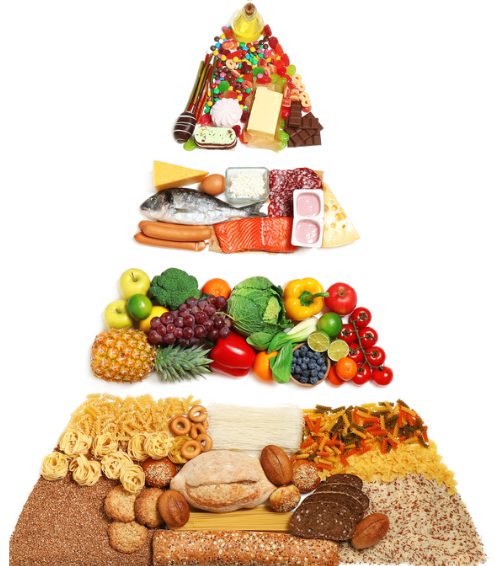
Alright, let’s talk about one of my favorite tools in nutrition – the Food Pyramid and Plate Models. These are like your personal food maps, guiding you to the treasure of balanced eating!
The Food Pyramid: Your Nutritional Blueprint
Imagine a pyramid – not the ones in Egypt, but one filled with delicious, nutritious foods. The Food Pyramid is a fantastic visual guide that helps us understand not just what to eat, but how much of it should fill our plates.
The Base Layer: Whole Grains
Here, you’ll find whole grains (like brown rice, whole wheat bread) – aim for this to be about a quarter of your intake. It’s like the foundation of a house, providing the bulk of your energy.
- Brown Rice: A versatile grain that can be included in a variety of dishes.

- Whole Wheat Bread: Great for sandwiches and toast.
- Quinoa: A protein-rich grain that’s also a complete protein.
- Oats: Ideal for breakfast as oatmeal or in baked goods.
- Barley: Perfect in soups and salads.
- Whole Grain Pasta: A healthier alternative to regular pasta.
- Buckwheat: Not just for pancakes; it’s great in salads and as a rice substitute.
- Bulgur Wheat: Excellent in Middle Eastern dishes like tabbouleh.
- Millet: A lesser-known grain that works well in porridge or salads.

The Middle Layers: Fruits and Vegetables
These are where fruits and veggies live. Picture vibrant greens, juicy fruits, crunchy veggies – they should make up half your diet. They’re not just filling; they’re packed with vitamins and minerals.
- Fruits: Apples, bananas, berries, oranges, peaches, pears, and melons.
- Leafy Greens: Spinach, kale, swiss chard, and collard greens.
- Cruciferous Vegetables: Broccoli, cauliflower, brussels sprouts, and cabbage.
- Root Vegetables: Carrots, beets, sweet potatoes, and turnips.
- Squashes: Butternut, acorn, and zucchini.
- Nightshades: Tomatoes, bell peppers, and eggplants.
- Legumes: Peas, green beans, and lentils.
The Top Layers: Lean Proteins and Dairy
Lean proteins (like chicken, tofu) and dairy products find their spot here. You want these to be a smaller part of your diet, but they’re crucial for muscle repair and bone health.
- Lean Meats: Chicken breast, turkey, and lean cuts of beef or pork.
- Fish and Seafood: Salmon, tuna, trout, shrimp, and scallops.
- Tofu and Tempeh: Great plant-based protein options.
- Eggs: Versatile and rich in protein.
- Dairy Products: Low-fat or fat-free milk, yogurt, and cheese.
The Tip-Top: Fats, Oils, and Sweets
Fats, oils, and sweets perch here. These should be consumed sparingly. Think of them as the cherry on top – a little goes a long way!
- Healthy Fats: Olive oil, avocados, nuts (almonds, walnuts), and seeds (flaxseeds, chia seeds).
- Oils: Choose oils high in unsaturated fats like olive oil and avocado oil.
- Sweets: Dark chocolate, honey, and natural sweeteners in moderation.
Remember, the key to a balanced diet is variety and moderation. Including a wide range of foods from each group ensures you get all the necessary nutrients while enjoying the flavors and textures that different foods offer.
The Plate Model: Your Daily Dish Guide
Now, let’s break it down to a single meal with the Plate Model. Imagine your plate divided into sections, each with a specific role:
- Half the Plate: Fill this with fruits and vegetables. It’s like painting half your canvas with colors of the rainbow.
- One Quarter: This is for your whole grains. A scoop of brown rice or a slice of whole wheat bread fits perfectly here.
- The Remaining Quarter: Here’s where your proteins come in. Whether it’s a piece of grilled chicken or a serving of lentils, this is their spot.
The beauty of the Plate Model is its simplicity. You don’t need to count calories or measure portions with a ruler. Just visually divide your plate, and you’re on track to a balanced meal!
So, as you sit down for your next meal, picture these models. They’re not just guidelines; they’re stepping stones to a healthier you. In our next section, we’ll delve into the art of reading food labels – it’s like becoming a food detective!🕵️♂️
Stay curious and hungry for knowledge (and healthy food!)
Reading Food Labels

Now, let’s turn into food detectives and decode the mystery of food labels. Trust me, once you get the hang of it, reading these labels can be as fun as unraveling a good detective story!
The Art of Decoding Labels
Picture yourself in a grocery aisle, holding a product. The food label on it is like a mini biography of what you’re about to eat. Let’s break it down:
- Serving Size: This is the first thing you’ll see. Serving sizes are like the ‘recommended dose’ of food. It’s important because all the nutritional info you’re about to read is based on this serving size. Remember, what you consider a serving might be different from what’s on the label!
- Calories: Think of calories as energy units. This number tells you how much energy you’re getting from one serving. But it’s not just about the calories, it’s about the quality of those calories. 200 calories of veggies can be a lot healthier than 200 calories of a candy bar!
- Macronutrients: Here, you’ll find carbs, proteins, and fats. You want to aim for a balance. High fiber and protein are usually good signs, while trans fats and high sugars are red flags.
Nutrients to get more of: Dietary fiber, vitamin D, calcium, iron, and potassium. These are generally under-consumed nutrients. A diet high in these can reduce the risk of various health conditions and improve overall health.
Ingredients: The Real Story
The ingredients list is like the cast of a movie. The stars of the show are listed first. Ingredients are listed by quantity, from highest to lowest. This is where you can spot added sugars, salt, and unhealthy fats.
- Watch for Sugar: Sugar has many aliases – corn syrup, fructose, anything ending in ‘-ose’. If sugar is one of the first few ingredients, that’s a sign the product might be high in added sugar.
- Beware of Trans Fats: Trans fats are a no-go. They’re often hidden in words like ‘hydrogenated oils’. If you see this, it’s better to put the product back on the shelf.
- Shorter is Sweeter: Generally, a shorter ingredient list means fewer additives and preservatives. It’s like choosing a book that gets straight to the point!
Understanding food labels empowers you to make informed choices. It’s like having a secret insight into what goes into your body. In our next section, we’ll explore the world of healthy eating habits. It’s one thing to know what to eat, and another to know how to eat. Let’s master both! 🍏📝✨
Healthy Eating Habits

Ready to transform your eating habits? It’s not just about what you eat, but also how you eat. Let’s make healthy eating a delightful part of your everyday life.
Mindful Eating: Savor Every Bite
- Listen to Your Body: Ever eat just because you’re bored or stressed? We’ve all been there. Mindful eating is about tuning into your body’s true hunger signals. Eat when you’re hungry, not just when you’re craving.
- Slow Down: Take the time to chew your food and enjoy each bite. This isn’t a race! Eating slowly helps with digestion and gives your body time to signal when it’s full, helping you avoid overeating.
- Distraction-Free Dining: Try eating without the TV on or scrolling through your phone. It’s amazing how much more you’ll enjoy your food when you’re fully present.
Portion Control: The Goldilocks Zone
- Use Smaller Plates: It’s a simple trick, but it works wonders. Smaller plates mean smaller portions, and it helps you avoid the temptation of overfilling your plate.
- Half-Plate Rule: Remember the Plate Model? Make half your plate veggies and fruits. It’s a visual cue to keep your meals balanced.
- Listen to Your Fullness Cues: It’s okay to leave food on your plate. Eat until you’re comfortably full, not stuffed. Your body will thank you!
Hydration: The Elixir of Life
- Water is Your Best Friend: Your body loves water. It’s essential for virtually every bodily function. Aim for at least 8 glasses a day, but remember, needs can vary.
- Keep a Water Bottle Handy: Having water within arm’s reach is a great reminder to sip throughout the day. Plus, it’s eco-friendly!
- Flavor Your Water: If plain water doesn’t excite you, jazz it up! Add a slice of lemon, cucumber, or a few berries for a refreshing twist.
Remember, building healthy eating habits is a journey, not a sprint. Start small, celebrate your wins, and be patient with yourself. Up next, we’re diving into the exciting world of meal planning and prep. Get ready to unleash your inner chef! 🍴✨
Meal Planning and Prep

Hey, culinary adventurer! Let’s talk about meal planning and prep, your secret weapons for consistently healthy eating. Trust me, a little time in the kitchen can make a huge difference in your week.
Why Meal Planning Rocks
- Stress-Be-Gone: Picture this: it’s a busy Wednesday evening, and you already know what’s for dinner. No last-minute stress or unhealthy takeouts. Meal planning takes the guesswork out of your daily diet.
- Saves Time and Money: By planning ahead, you’ll make fewer trips to the store and buy only what you need. Plus, when you cook in bulk, you’re setting yourself up for days of hassle-free meals.
- Balanced Diet Made Easy: When you plan your meals, you can ensure you’re getting a balanced mix of nutrients throughout the week. It’s like being your own nutritionist!
Simple, Healthy Recipes to Get You Started
Let’s get to the fun part – the food! Here are some easy, tasty meal ideas to inspire your next kitchen session:
- Overnight Oats: Mix rolled oats with your choice of milk or yogurt, add a dash of honey or maple syrup, and throw in some fruits and nuts. Leave it in the fridge overnight, and voilà, breakfast is served!
- Stir-Fry Magic: Stir-fry your favorite veggies (think bell peppers, broccoli, carrots) with some tofu or chicken. Serve it over brown rice or quinoa. Fast, flavorful, and oh so nutritious!
- Hearty Soup: Start with a base of diced onions, carrots, and celery. Add in low-sodium broth, your choice of protein (beans, chicken, beef), and plenty of veggies. Season to taste, simmer, and enjoy a comforting bowl of goodness.
- Salad Jars: Layer up a mason jar with dressing at the bottom, followed by harder veggies, proteins, grains, and lettuces on top. Shake it up at lunchtime for a fresh, crisp salad.
Remember, meal prep doesn’t have to be complicated or time-consuming. It’s all about making your life easier and your meals healthier. So, grab those pots and pans, and let’s make your kitchen your happy place!
Next up, we’ll tackle cravings and healthy snacking – your arsenal for staying on track even when those mid-day munchies hit. Stay tuned, snack lovers! 🍲🥗👩🍳
Dealing with Cravings and Snacking

Hello, fellow snack enthusiast! Let’s navigate the world of cravings and snacking. We all get those urges for something sweet or salty, but I’ve got some strategies and snack ideas to keep you on the healthy track.
Strategies to Tame Those Cravings
- Understand Your Cravings: Sometimes, cravings are your body’s way of saying it needs something. Low on energy? You might crave sugar. Instead, opt for a balanced snack to keep your energy levels stable.
- Keep Healthy Snacks On Hand: This is a game-changer. Stock up on healthy snacks, so when the craving hits, you have better options within reach. It’s like setting a snack trap for your future self!
- Mindful Snacking: Before you reach for that snack, take a moment. Are you really hungry, or maybe just bored or stressed? Try drinking a glass of water first – thirst can often disguise itself as hunger.
Healthy Snack Ideas
Now, let’s stock that snack drawer with some delicious, nutritious options:
- Veggie Sticks and Hummus: Crunchy, satisfying, and packed with nutrients. Carrots, cucumbers, and bell peppers are great choices.
- Fruit and Nut Butter: Apple slices or banana with a dollop of almond or peanut butter? Yes, please! A perfect blend of sweet and savory.
- Greek Yogurt and Berries: Creamy, tangy, and full of protein. Top it with a handful of berries for a natural sweet touch.
- Air-Popped Popcorn: Skip the butter and add a sprinkle of your favorite herbs or a dash of nutritional yeast for a cheesy flavor without the guilt.
- Dark Chocolate and Almonds: For when that sweet tooth just won’t quit. Dark chocolate is rich in antioxidants, and almonds add a satisfying crunch.
Remember, snacking isn’t your enemy. It’s all about making smart choices and listening to your body. Armed with these tips and snacks, you’re all set to tackle those cravings head-on!
Coming up next, we’re going to tie everything together and discuss how to balance diet with lifestyle. It’s not just about the food on your plate but the overall picture of health. Stay tuned for some life-changing insights! 🍿🍎🥒✨
Balancing Diet and Lifestyle

Let’s talk about the big picture – how your lifestyle affects your eating habits and vice versa. It’s like a dance where diet and lifestyle both lead at times. When they’re in sync, it’s a beautiful thing!
The Lifestyle-Diet Connection
- Sleep: Ever noticed you crave more junk food when you’re tired? That’s not just you. Lack of sleep can mess with your hunger hormones, leading to cravings. A good night’s sleep sets you up for better food choices.
- Exercise: Regular physical activity does wonders. It boosts your mood, energy levels, and even helps regulate your appetite. Think of it as setting the rhythm for your day, including your meals.
- Stress Management: When stressed, some of us turn to food for comfort. Learning stress management techniques can help you avoid stress eating. Meditation, anyone?
Fitting Healthy Eating into Your Busy Life
- Meal Prep is Your Pal: We’ve talked about meal prep, but it really is a lifesaver. Dedicate a couple of hours during the weekend to prepare meals, and you’ll thank yourself during the week.
- Smart Snacking: Keep those healthy snacks handy – at work, in your car, or in your bag. It’s all about making healthy eating the easiest option.
- Hydrate Wisely: Sometimes, we mistake thirst for hunger. Keep a water bottle nearby and sip throughout the day. It’s a simple, effective way to keep your eating in check.
- Set Realistic Goals: You don’t have to overhaul your diet overnight. Small, sustainable changes are the key. Maybe start with one home-cooked meal a day or swap out one sugary drink for water.
- Involve Your Circle: Share your health goals with friends and family. Better yet, get them on board! It’s easier to stick to healthy habits when you’re not doing it alone.
Balancing diet and lifestyle doesn’t have to be a chore. It’s about creating a harmony that works for you. Remember, every small step is a leap towards a healthier, happier you.
Next, we’ll bust some common myths and misconceptions about dieting and nutrition. Get ready to separate fact from fiction and become an informed foodie! 🌟
Addressing Common Myths and Misconceptions

Let’s dive into the world of dieting and nutrition myths. With so much information out there, it’s easy to get misled. But fear not, I’m here to help you separate fact from fiction with some evidence-based truths.
Myth 1: “Carbs Are Bad for You”
Let’s set the record straight: Carbs are not the enemy. Your body needs carbs for energy. The key is choosing complex carbs, like whole grains, which provide lasting energy and essential nutrients. So, don’t fear the bread, just go for the whole grain!
Myth 2: “Eating Fat Makes You Fat”
This is a classic misconception. Healthy fats, like those in avocados, nuts, and olive oil, are vital for your overall health. They help absorb vitamins and keep you feeling full. It’s about balance and choosing the right kinds of fats.
Myth 3: “You Need to Diet to Lose Weight”
Here’s the truth: sustainable weight loss is not about short-term diets, but about long-term lifestyle changes. Fad diets may offer quick results, but they’re often not sustainable or healthy. Eating a balanced diet and staying active is the real key to weight loss.
Myth 4: “Skipping Meals Helps You Lose Weight”
Skipping meals can actually backfire. It can slow down your metabolism and lead to overeating later. Regular, balanced meals are the way to go for healthy weight management.
Myth 5: “You Don’t Need to Exercise if You Eat Healthy”
Diet and exercise go hand in hand for optimal health. Regular physical activity is crucial for heart health, muscle strength, and mental well-being, regardless of your diet.
Myth 6: “All Calories Are Created Equal”
A calorie is not just a calorie. The source matters. 100 calories of vegetables provide more nutritional value than 100 calories of candy. It’s about the quality of calories, not just the quantity.
Now that we’ve busted these myths, you’re armed with the facts. Remember, nutrition is not one-size-fits-all. It’s about finding what works for you and your body.
Next up, we’ll explore some resources and further reading to continue your nutrition education. Knowledge is power, especially when it comes to your health! 🌟🍎💪✨
Resources and Further Reading
Hey there, lifelong learners! Curious to dive deeper into the world of healthy eating and nutrition? I’ve got you covered with some fantastic resources. These are my go-to’s for reliable, science-backed information, and I’m excited to share them with you.
Must-Read Books
- “How Not to Die” by Dr. Michael Greger: This book is a gem. Dr. Greger explores how a plant-based diet can prevent and reverse many chronic diseases. It’s eye-opening and filled with practical advice.
- “Eat, Drink, and Be Healthy” by Dr. Walter Willett: Dr. Willett offers insights into the science of healthy eating. It’s like a nutrition course in a book – comprehensive yet understandable.
- “Mindful Eating” by Jan Chozen Bays: Dive into the practice of mindful eating. It’s not just about what you eat, but how you eat, and this book is a great guide.
Informative Websites
- Harvard Health Publishing: Their Nutrition section is packed with evidence-based articles. A treasure trove of reliable info.
- MyPlate.gov: This is a great tool for understanding portion sizes and daily nutrition needs. It’s user-friendly and very practical.
- NutritionFacts.org: Dr. Greger’s website is full of bite-sized nutrition videos and articles. It’s my go-to for quick info.
Engaging Podcasts
- “The Nutrition Diva”: Quick tips and savvy diet advice. Perfect for staying updated on the go.
- “Food Heaven”: Hosted by two dietitians, this podcast is all about making healthy eating accessible and fun.
Transform Your Habits, Transform Your Life
Are you ready to turn the page to a new chapter in your life?
Stop dreaming, start achieving. Our exclusive newsletter delivers:
- Science-backed hacks: Master the psychology of habit formation used by CEOs and Olympians.
- Actionable strategies: No fluff, just practical steps to crush procrastination and dominate your goals.
- + a FREE surprise bonus 🎁 to jumpstart your transformation!
Don’t settle for mediocre. Subscribe now!