

Imagine navigating a ship through a vast ocean without a compass or a map. That’s akin to journeying through life without self-awareness, a crucial but often overlooked compass for personal growth and mental health. Self-awareness, at its core, is the conscious knowledge of one’s own character, feelings, motives, and desires. It’s like holding a mirror to your inner world, offering clarity that guides your choices, shapes your relationships, and molds your life’s path.

This profound understanding of oneself isn’t just a tool for introspective enlightenment; it’s a foundational element for thriving in today’s fast-paced, complex world. From enhancing decision-making skills to improving relationships and fostering a strong sense of empathy, self-awareness stands as a pillar for personal development. In the realm of mental health, it acts as a beacon, guiding individuals through the fog of stress and emotional turmoil, towards resilience and well-being.
As we delve deeper into the intricacies of self-awareness, we uncover its multifaceted role in shaping not just our personal narratives, but also how we interact with the world around us. Whether in the quiet introspection of our thoughts or the dynamic interplay of our social interactions, self-awareness is the key to unlocking a more fulfilling, balanced, and authentic life.
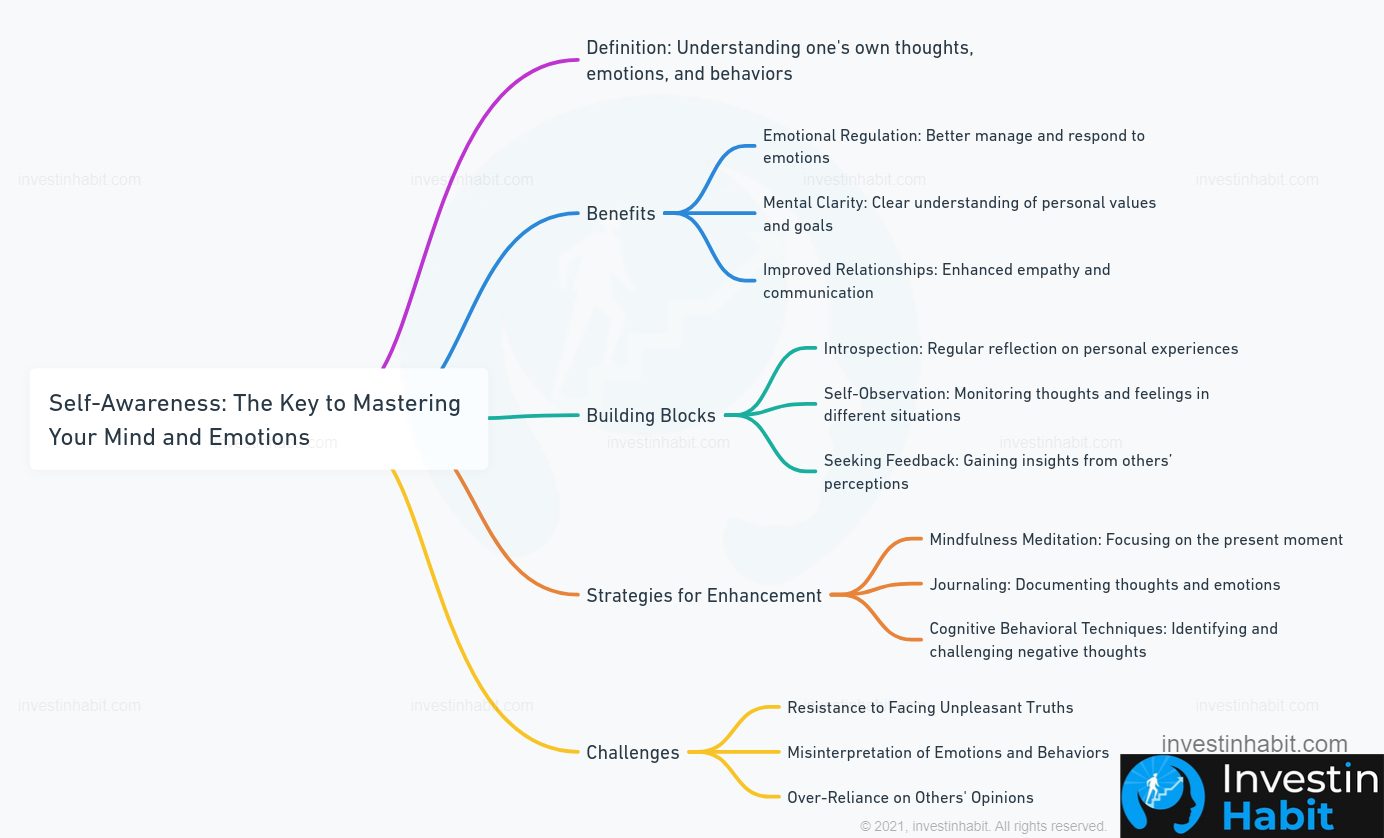
Inside this Article
Historical Context and Theoretical Background of Self-Awareness

Let’s take a step back in time to explore the roots of self-awareness in psychology, a journey as fascinating as the concept itself. You might be surprised to learn that self-awareness isn’t a modern-day invention. Its seeds were planted centuries ago, sprouting through various psychological theories and practices.
In the early 20th century, psychologists began to recognize the importance of self-awareness in human functioning. Carl Rogers, a name you might have heard, was a pioneer in this field. He emphasized the role of self-awareness in his client-centered therapy, suggesting that understanding oneself is crucial for personal growth and healing. I find Rogers’ approach particularly intriguing because it shifted the focus from the therapist to you, the individual, empowering you to discover your own path to self-understanding.
Fast forward to the late 20th century, and we meet Daniel Goleman, who brought self-awareness into the limelight with his work on emotional intelligence. Goleman argued that being aware of our own emotions is key to managing them effectively. This idea resonates with me because it highlights how self-awareness is not just about introspection but also about how we navigate our emotional landscapes.
Now, let’s talk about how self-awareness fits into various psychological models. In Cognitive Behavioral Therapy (CBT), for example, it plays a crucial role. CBT teaches you to become aware of your thought patterns, helping you to challenge and change negative beliefs. It’s like being a detective in your own mind, uncovering clues that lead to a healthier mindset.
Positive Psychology, another fascinating area, also celebrates self-awareness. It encourages you to identify and nurture your strengths, leading to a more fulfilling life. This approach resonates with me as it shifts the focus from what’s going wrong to what’s going right in your life.
As we journey through the historical and theoretical landscapes of self-awareness, it’s clear that this concept is more than just a psychological buzzword. It’s a powerful tool that has evolved over time, helping us to understand ourselves better and, in turn, live more meaningful lives. Keep this historical context in mind as we delve deeper into the components of self-awareness and discover how you can harness its power in your own life.

Transform Your Life with InvestInHabit

Ready for real change? Join us and get over:
- 200+ Personal Development Worksheets,
- 100+ Blog Post MindMaps
for FREE! 😍 + Our newsletter offers the latest in habit formation and self-improvement, straight to your inbox.
Subscribe now and Start redefining your mindset today! Join our community committed to success!
Components of Self-Awareness
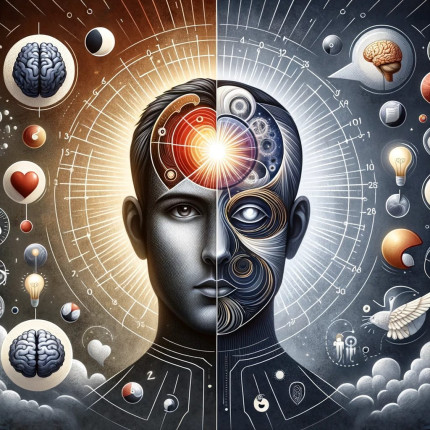
Now, let’s dive into the heart of self-awareness, where things get really interesting. Self-awareness can be thought of as a coin with two sides: internal and external. Both are crucial, and maintaining a balance between them can be quite an art.
Let’s start with internal self-awareness. This is all about looking inwards, understanding who you are at your core. It’s like being on a personal exploration mission, discovering your values, passions, and aspirations. Have you ever asked yourself what truly makes you tick? Or what values you hold dear? That’s internal self-awareness at work. It also involves understanding how you fit into your environment and how your actions and reactions impact others. It’s a bit like being a scientist in your own life, observing and understanding your behaviors and emotions.
Internal self-awareness is the ability to understand your own thoughts, feelings, and motivations.
Here are some examples of internal self-awareness:
- You are aware of your emotions as they happen. You can identify and label your emotions, such as happiness, sadness, anger, or fear.
- You understand your triggers. You know what situations or events typically cause you to feel certain emotions.
- You know your values. You have a clear sense of what is important to you in life.
- You know your strengths and weaknesses. You are aware of your skills and abilities, as well as your areas for improvement.
- You are able to reflect on your past experiences. You can learn from your mistakes and use your experiences to grow.
Now, let’s turn the coin over to external self-awareness. This is where you step outside yourself and see how others perceive you. It’s not always easy, I know. But think of it as gathering feedback from the world around you. How do your friends, family, and colleagues view you? Understanding this can be incredibly eye-opening and sometimes surprising. It helps you align your self-perception with how you are perceived by others, which is invaluable in both personal and professional relationships.
External self-awareness is the ability to understand how others see you.
Here are some examples of external self-awareness:
- You are aware of how your body language and tone of voice affect others. You know how to use these nonverbal cues to communicate your emotions and intentions.
- You are aware of how your words and actions affect others. You consider the impact of your words and actions on those around you.
- You are able to take feedback from others. You are open to hearing what others have to say about you, even if it is negative.
- You are able to build rapport with others. You know how to connect with people on a personal level.
- You are able to maintain healthy relationships. You know how to resolve conflicts and maintain positive relationships with friends, family, and colleagues.
Balancing these two aspects of self-awareness is key. Too much focus on the internal and you might become self-absorbed or out of touch with how others see you. On the other hand, if you focus too much on the external, you might lose sight of your true self, constantly adapting to please others. The magic happens when you strike the right balance, aligning your inner truth with your outer image.
This balance is not just a nice-to-have; it’s essential for a well-rounded, authentic life. When you understand both your internal compass and how you are navigating the social world, you’re in a much better position to make choices that are true to yourself and resonate well with others.
In the next section, we’ll look at the impact of self-awareness on various aspects of life. Keep in mind these two sides of the self-awareness coin as we explore how they influence everything from your personal growth to your professional success.
The Impact of Self-Awareness

Have you ever considered the ripple effect self-awareness has on various aspects of your life? It’s like a superpower that, once harnessed, can transform not just how you see yourself, but also how you interact with the world. Let’s explore this together.
Starting with personal growth, self-awareness is like the guiding star in your decision-making process. Think about it – when you know your values and understand your emotions, making choices that align with your true self becomes much easier. It’s like having an internal GPS guiding you through life’s crossroads. Emotional regulation, another crucial aspect, becomes more manageable when you’re self-aware. You become adept at recognizing your emotional triggers and can navigate through them without getting lost in the storm.
Now, let’s talk about relationships – an area where self-awareness really shines. Effective communication often starts with understanding your own emotions and thoughts. When you’re clear about what’s going on inside you, expressing yourself becomes clearer and more authentic. Empathy, too, is a byproduct of self-awareness. By understanding your own emotions, you become better equipped to understand others’. And when conflicts arise, as they inevitably do, your self-awareness skills can help you navigate these choppy waters with more grace and understanding.
Moving to the professional sphere, self-awareness can be a game-changer in your career. Leadership, for example, is not just about directing others; it’s about understanding yourself first – your strengths, weaknesses, and impact on others. This understanding can transform you into a leader who inspires and connects with their team on a deeper level. Teamwork also benefits immensely from self-awareness. Knowing how you operate in a team, your communication style, and how you respond to stress makes you a more effective and empathetic team player. And when it comes to career success, being self-aware can help you identify the right opportunities and make choices that align with your career aspirations and personal values.
As we delve deeper into the world of self-awareness, it’s clear that its impact is far-reaching. Whether it’s in your personal life, your relationships, or your career, self-awareness acts as a catalyst for growth, understanding, and success. In the next section, we’ll look into how you can develop and enhance your self-awareness, unlocking its full potential in your life. Stay tuned – it’s going to be an exciting journey!
Developing Self-Awareness

So, you’re intrigued by the power of self-awareness and wondering, “How can I develop this in my own life?” I’m glad you asked! Embarking on this journey of self-discovery can be both exciting and challenging, but I’m here to guide you through some practical steps.
Firstly, let’s explore some practices and exercises. Mindfulness is a great starting point. It’s like hitting the pause button in our hectic lives to tune into our thoughts and feelings. Simple mindfulness exercises, like focused breathing or mindful walking, can help you become more present and aware of your internal state. Journaling is another powerful tool. It’s like having a conversation with yourself on paper, helping you untangle and understand your thoughts and emotions. And don’t forget about feedback-seeking. This involves asking others for their perspectives on you. It might feel a bit daunting at first, but it can provide invaluable insights into how you’re perceived by others.
Now, let’s talk about therapy and coaching. Sometimes, having a trained professional to guide you can make all the difference. Therapists and coaches can offer a safe space to explore your inner world, challenge your perspectives, and help you develop strategies for growth. They can be like navigators in your journey of self-awareness, pointing out blind spots and guiding you through rough waters.
But remember, developing self-awareness is not a one-time event; it’s a continuous journey. It’s about making a commitment to self-reflection and learning, consistently and over time. This might mean setting aside regular time for introspection, continuously seeking feedback, and being open to learning about yourself in different contexts and through various experiences. It’s like being a lifelong learner, but the subject is you!
As we wrap up this section, I encourage you to start small. Pick one practice and try it consistently. Be patient with yourself; developing self-awareness is a journey, not a race. In the next section, we’ll explore some common challenges in achieving self-awareness and how to overcome them. Stay tuned – navigating these challenges is a crucial part of your self-awareness adventure!
Challenges in Achieving Self-Awareness

Now, let’s be real for a moment. Developing self-awareness isn’t always a walk in the park. It’s a bit like a treasure hunt – exciting, but full of challenges along the way. Recognizing these obstacles is the first step in overcoming them, so let’s dive in.
One of the biggest hurdles you might encounter is cognitive biases. These are like mental shortcuts that can skew our perception of ourselves and the world around us. For example, the confirmation bias might lead you to seek only information that agrees with your existing beliefs, ignoring anything that contradicts them. It’s like having blinders on that keep you from seeing the full picture of who you are.
Emotional barriers are another common challenge. Sometimes, we might be afraid to face certain truths about ourselves, or we might be dealing with emotions that are tough to confront. It’s like having a wall around certain parts of yourself, and breaking through that wall requires courage and effort.
Then, there’s the influence of societal and cultural factors. The environment you grew up in, the values instilled in you, and the expectations of those around you can all shape – and sometimes distort – your self-perception. It’s as if you’re wearing glasses tinted by your culture and society, and they can affect how you see yourself.
So, how can you overcome these challenges? Here’s where strategies come into play.
Firstly, actively seek out different perspectives. This can help counteract cognitive biases. Engage with people who have different views, read broadly, and expose yourself to new ideas. It’s like adding different lenses to your glasses to get a more well-rounded view of yourself.
For emotional barriers, practices like mindfulness and journaling can be really helpful. They allow you to approach your emotions with curiosity rather than judgment. Think of it as gently knocking on that wall around your emotions, gradually making it more permeable.
To address societal and cultural influences, try to explore and understand your background and its impact on your self-perception. This might involve reflecting on your upbringing, engaging in conversations about cultural identity, or even seeking professional guidance. It’s like cleaning those glasses you’re wearing, so you can see both yourself and the world more clearly.
Remember, these challenges are a normal part of the journey towards self-awareness. By acknowledging and addressing them, you’re not just getting closer to understanding yourself; you’re also building resilience and emotional intelligence.
In the next section, we’ll explore how self-awareness plays out in different contexts, like in the workplace or in personal relationships. It’s fascinating to see how this journey of self-discovery can impact every aspect of your life. Stay tuned!
Self-Awareness in Different Contexts

Alright, let’s take this concept of self-awareness out of the abstract and into the real world. How does it play out in different areas of your life? Whether it’s at work, in your personal relationships, or in learning environments, self-awareness has a unique and powerful role to play.
First up, the workplace. Have you ever considered how self-awareness affects your professional life? In terms of leadership, it’s like a secret ingredient for success. Leaders who are self-aware tend to be more empathetic, better at managing their emotions, and more effective in motivating their teams. They create a work environment where trust and openness flourish. And when it comes to team dynamics, self-awareness helps you understand your role within the team, how you contribute, and how you might be perceived by your colleagues. It’s like having a map that helps you navigate the complex world of workplace relationships.
Moving on to your personal life. Relationships, as we know, can be wonderfully rewarding but also quite complex. Self-awareness here acts like a bridge – it helps you understand your own emotions and needs and makes it easier to communicate with your partner, friends, or family. It’s not just about being aware of what you need but also understanding and respecting the needs of others. And when it comes to personal well-being, self-awareness is crucial. It helps you recognize your own stress triggers, manage your mental health, and make lifestyle choices that align with your true self.
In the realm of education, self-awareness plays a fascinating role too. It can greatly impact learning styles and student engagement. When you’re aware of how you learn best, you can tailor your study methods to suit these preferences, making learning more effective and enjoyable. It’s like having a personalized learning toolkit. For educators, understanding the self-awareness of their students can lead to more engaging and responsive teaching methods.
In each of these contexts, self-awareness acts as a lens through which you can view and understand your interactions, decisions, and overall engagement with the world. Whether you’re leading a team, building personal relationships, or learning something new, being aware of your inner world and how it interacts with the outer world can make a significant difference.
As we wrap up this section, think about how self-awareness shows up in these different areas of your life. In the next section, we’ll explore some real-life examples and case studies that illustrate the transformative power of self-awareness. It’s one thing to talk about concepts, but seeing them in action is where the real learning happens. Stay tuned!
Case Studies and Real-Life Examples
Now, let’s bring self-awareness to life with some real stories. I want to share with you a few examples of individuals who, just like you and me, embarked on a journey of self-discovery and transformed their lives. These stories aren’t just inspiring; they offer practical insights into how self-awareness can lead to profound changes.
First, consider the story of Anna, a marketing executive. Anna always considered herself a hard worker but didn’t understand why her team seemed disengaged. After a self-awareness workshop, she realized that her focus on results often came across as dismissive of her team’s efforts. This was a lightbulb moment for Anna. By becoming more aware of her communication style and its impact, she learned to offer more recognition and support. The result? A more motivated team and improved performance. It shows how self-awareness can change not just how you see yourself, but also how you relate to others.
Then there’s the case of David, a college student struggling with time management. David always felt he was not achieving his potential. Through self-awareness exercises, he discovered that he learns best in a quiet environment and with structured schedules. By adapting his study habits to suit his learning style, David not only improved his grades but also felt less stressed and more in control. This story is a great example of how understanding yourself can lead to smarter decisions and better outcomes.
Another powerful example is from Maya, who always found herself in tumultuous relationships. Through therapy, a tool for developing self-awareness, Maya recognized a pattern of seeking approval from others due to low self-esteem. This realization led her to work on her self-worth and choose healthier relationships. Maya’s journey shows how self-awareness can break cycles and lead to more fulfilling personal connections.
These stories highlight a common theme: self-awareness can be a game changer. Whether it’s in your professional life, academic pursuits, or personal relationships, understanding yourself better can lead to more informed decisions and healthier interactions.
Remember, these individuals started their journeys with a desire to understand themselves better, just like you might be doing right now. Their transformations were not overnight miracles but the result of consistent effort and a willingness to face uncomfortable truths.
In the next section, we’ll look ahead to the future of self-awareness – emerging research, technological advancements, and predictions for how our understanding of self-awareness might evolve. Stick with me, as this glimpse into the future is as exciting as it is enlightening!
Future Directions

As we peer into the future of self-awareness, the horizon is brimming with exciting possibilities. Emerging research and technological advancements are set to take our understanding of self-awareness to new heights. Let’s explore what the future might hold and how it could impact you.
Firstly, the realm of emerging research is constantly shedding new light on self-awareness. Studies are delving deeper into how our brains process self-related information and how this influences everything from mental health to decision-making. For instance, neuroscientists are exploring the neural networks involved in self-reflection and self-perception. This research is crucial because it helps us understand the biological underpinnings of self-awareness. Imagine knowing not just the psychological, but also the neurological aspects of how you understand yourself!
Then there’s the exciting world of technology. Have you thought about how advancements like AI and virtual reality might impact self-awareness? AI, for example, is being used to develop tools that can provide feedback on emotional intelligence and social skills. It’s like having a personal coach that helps you understand and improve how you interact with others. Virtual reality, on the other hand, offers immersive experiences that can put you in someone else’s shoes, literally. This can be a powerful tool for developing empathy and understanding different perspectives.
Now, let’s speculate a bit about how the concept of self-awareness might evolve. I envision a future where self-awareness is not just a personal journey but an integrated part of our societal framework. With the help of technology and ongoing research, we might see more personalized and effective mental health support, educational systems that cater to individual learning styles, and workplaces that truly understand and value emotional intelligence.
In this future, the tools and knowledge for developing self-awareness could be more accessible and tailored to individual needs. It’s an exciting prospect – one where understanding oneself could become as common and essential as other aspects of education and personal development.
As we wrap up this exploration, remember that the journey of self-awareness is always evolving, just like you. Staying curious and open to new research and technologies will help you continue to grow and understand yourself in deeper, more meaningful ways.
In the next section, we’ll conclude our journey through the world of self-awareness. I hope you’re as excited as I am to see where this path of self-discovery will lead us in the years to come!
Conclusion

As we come to the end of our exploration into the fascinating world of self-awareness, let’s take a moment to reflect on the key insights we’ve gathered.
We began by defining self-awareness and understanding its vital role in personal development and mental health. From the historical context and theoretical background provided by pioneers like Carl Rogers and Daniel Goleman, we moved to the intricacies of internal and external self-awareness, emphasizing the balance between understanding ourselves and how others perceive us.
We delved into the profound impact of self-awareness on personal growth, relationships, and professional development, highlighting how it influences decision-making, emotional regulation, communication, empathy, and conflict resolution. The journey further led us through practical ways to develop self-awareness, such as mindfulness, journaling, and feedback-seeking, and the significant role of therapy and coaching.
Recognizing the challenges like cognitive biases, emotional barriers, and societal influences, we discussed strategies to overcome these hurdles. We saw self-awareness in action through different contexts — in the workplace, personal life, and education — understanding its versatility and broad applicability.
Real-life examples brought to life the transformative power of self-awareness, showing tangible changes in individuals’ decision-making and relationships. And finally, we looked ahead to the future, speculating on the exciting developments in research and technology, and envisioning a world where self-awareness is more integrated into our lives.
Self-awareness is more than just a psychological concept; it’s a journey of continuous discovery and growth. It holds the key to unlocking a deeper understanding of ourselves, leading to more authentic and fulfilling lives. I encourage you to embrace this journey, remain curious, and open to learning more about yourself and the world around you.
References
For further reading and a deeper dive into the concepts discussed, here are some valuable resources:
- Goleman, D. (1995). “Emotional Intelligence: Why It Can Matter More Than IQ.”
- Rogers, C. (1961). “On Becoming a Person: A Therapist’s View of Psychotherapy.”
- Kabat-Zinn, J. (1994). “Wherever You Go, There You Are: Mindfulness Meditation in Everyday Life.”
- Tasha, E. (2018). “Insight: The Surprising Truth About How Others See Us, How We See Ourselves, and Why the Answers Matter More Than We Think.”
- Greenberg, J. (2017). “Mindful Leadership Coaching: Journeys into the Interior.”
- Articles from the American Psychological Association and other peer-reviewed journals on self-awareness and related topics.
These resources will provide you with a more comprehensive understanding of self-awareness and its profound impact on various facets of life. Happy reading, and here’s to your journey towards greater self-awareness!