

Welcome to a journey of self-discovery and transformation. In our lives, emotional expression plays a pivotal role in shaping our relationships, our decisions, and our overall well-being. Yet, how often do we pause to understand this powerful aspect of our being?
In this blog post, we delve into the intricacies of emotional expression, a journey that many embark on but seldom discuss in depth. From the initial stages of being emotionally closed off, often a defense mechanism against the complexities of life, to the phase of expressing emotions in ways that might not always be appropriate or understood – we explore the entire spectrum.
But why is this important? Emotional maturity doesn’t just enhance our personal lives; it’s a cornerstone of professional success, social harmony, and inner peace. By understanding and navigating through these stages, we can unlock a level of emotional intelligence that enriches every facet of our lives.
Join us as we unravel the often overlooked nuances of this journey, aiming to guide you from a state of emotional suppression to a balanced and open emotional expression. Whether you’re seeking to improve your relationships, enhance your communication skills, or simply understand yourself better, this exploration is a step towards a more fulfilling and emotionally balanced life.
Inside this Article
The Mystery of Emotional Closedness

Have you ever found yourself in a situation where opening up felt harder than scaling a mountain? If so, you’re not alone. Let’s unpack the world of emotional closedness, a phase many of us encounter, yet rarely discuss openly.
What Is Emotional Closedness?
Imagine emotional closedness as a protective shell. It’s like having an invisible armor around your heart and mind. When in this state, you might find it challenging to express your feelings or even acknowledge them internally. This could manifest as a reluctance to share thoughts, a tendency to keep a distance in relationships, or a general air of indifference.
Why Do We Retreat Into This Shell?
The reasons are as unique as we are. For some, it’s a defense mechanism formed from past hurts or traumas – a way to guard against further emotional pain. Others might adopt this approach in response to overwhelming stress or anxiety. It’s like instinctively hitting the brakes when we sense emotional danger ahead.
But why should you care about this? Because understanding the ‘why’ behind emotional withdrawal is the first step in overcoming it. Recognizing these patterns in ourselves or others is key to fostering deeper connections and personal growth.
The Ripple Effects of Emotional Closedness
Let’s face it, our emotional state doesn’t exist in a vacuum. It affects how we interact with the world. Staying emotionally closed off can lead to missed opportunities for meaningful relationships, hinder personal development, and sometimes even impact our mental health. Think about it – how many times have you wished for deeper connections, only to find your own barriers holding you back?
In the next section, we’ll explore the transitional phase – the turbulent but crucial journey towards emotional openness. It’s a bumpy ride, but trust me, it’s worth it. Are you ready to take the first step?
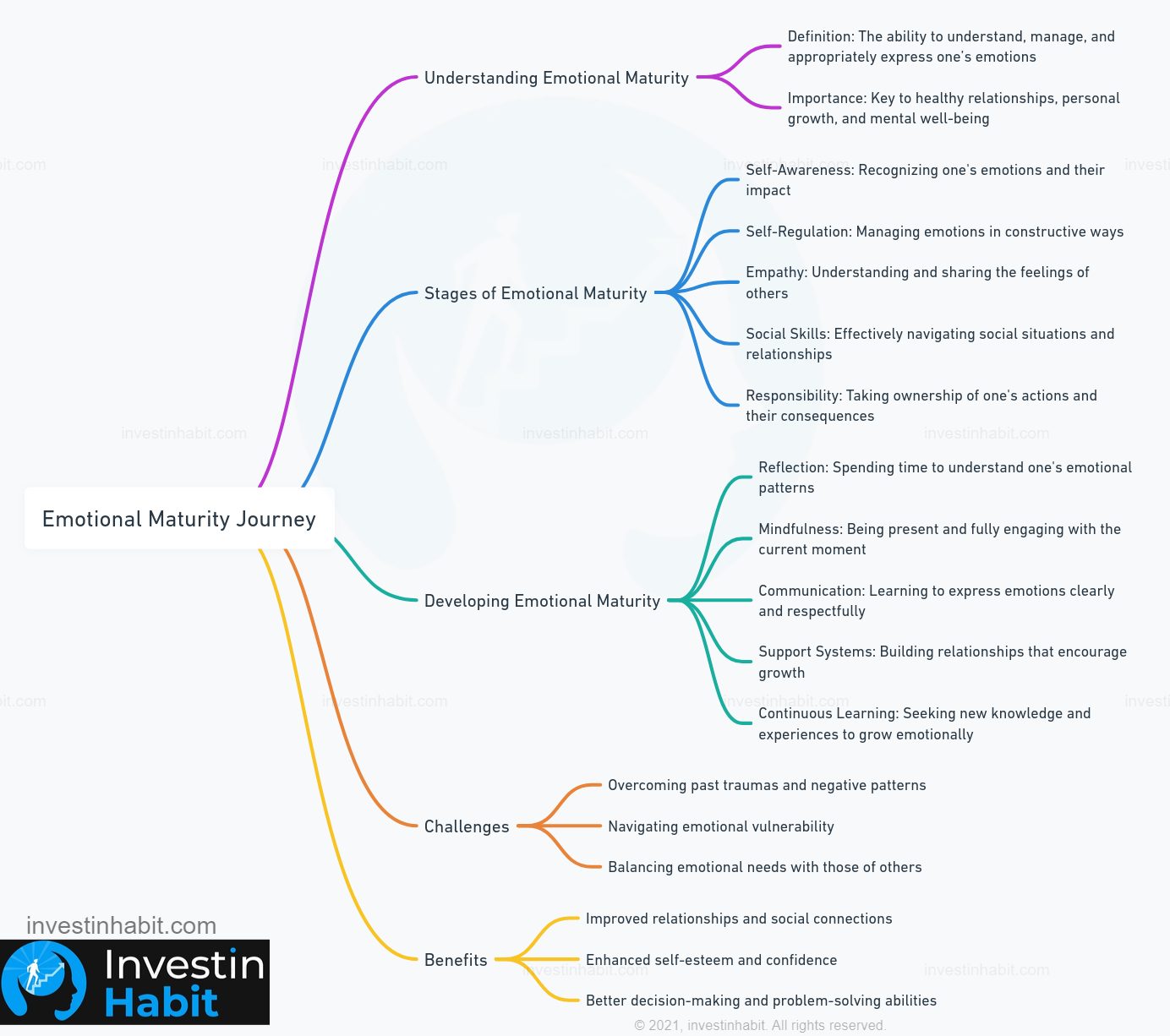

Transform Your Life with InvestInHabit

Ready for real change? Join us and get over:
- 200+ Personal Development Worksheets,
- 100+ Blog Post MindMaps
for FREE! 😍 + Our newsletter offers the latest in habit formation and self-improvement, straight to your inbox.
Subscribe now and Start redefining your mindset today! Join our community committed to success!
Transitional Phase – Inappropriate Emotional Expression

So, you’ve recognized the shell of emotional closedness and are ready to step out. Welcome to the transitional phase – a mix of breakthroughs and, well, some hiccups. It’s like learning to walk; you’re bound to stumble a few times.
The Bumpy Road to Emotional Openness
Imagine you’ve been driving with the handbrake on and suddenly, you release it. There’s a sense of freedom, but also a lack of control as you speed up. This is what the transitional phase can feel like. You’re no longer closed off, but now, the challenge is learning to express emotions in a way that’s, let’s say, socially calibrated.
When Emotions Spill Over
Have you ever caught yourself oversharing during a dinner party, or maybe getting teary at a work meeting? These are classic signs of this phase. Emotional outbursts, mood swings, or even withdrawing after realizing you’ve shared too much – sound familiar? Don’t worry, it’s all part of the process.
Why Does This Happen?
You’re learning a new skill, and that takes practice. For years, you’ve kept your emotions under lock and key, and now you’re figuring out how to use them in everyday life. It’s not just about feeling emotions but also understanding them, knowing when to share, and how much to share.
The Impact of This Rocky Transition
This phase is crucial, and yes, it can be messy. It can strain relationships or make you question your progress. But here’s the thing – it’s also a sign of growth. Each misstep is a lesson, teaching you more about yourself and how you relate to others.
In our next section, I’ll guide you through the journey towards achieving a balance in emotional expression. It’s a path to becoming your most authentic and emotionally intelligent self. Ready to keep going?
The Journey Towards Emotional Balance

You’ve braved the storms of the transitional phase, and now, it’s time for the most rewarding part: achieving emotional balance. Think of it as fine-tuning an instrument – it’s about hitting the right notes at the right time.
Crafting a Balanced Approach to Emotions
Remember, emotional balance doesn’t mean keeping your emotions on a tight leash; it’s about understanding and expressing them in a way that feels right for you and respectful to others. Let’s dive into some strategies that can help you get there.
1. The Art of Self-Awareness
This is your foundation. Start by checking in with yourself regularly. How are you feeling? Why might you be feeling this way? Journaling can be a great tool here. It’s like having a conversation with yourself, helping you untangle your emotions.
2. Walking in Others’ Shoes – Empathy
Empathy is key in understanding not just your own emotions, but also how they can impact those around you. Try to see things from the other person’s perspective. It’s not just about what you’re expressing, but also how it’s being received.
3. Mastering the Language of Emotions – Communication Skills
This is where the magic happens. Effective communication is about clarity, timing, and listening. It’s not just about what you say, but how you say it. Practice active listening – it shows that you value the other person’s feelings and viewpoints.
Fine-Tuning Your Emotional Expressions
It’s a bit like learning a dance. Sometimes you step forward, sometimes you step back. The key is to keep moving with the rhythm of your emotions, understanding when to share, when to listen, and when to take a moment for yourself.
Remember, achieving emotional balance is a journey, not a destination. It’s about continuous growth and adjustment. And trust me, the more you practice, the more natural it will feel.
Up next, we’ll wrap up our journey with some parting thoughts and tips to keep you on the path of balanced emotional expression. Stay tuned!
Reaching the Summit – Embracing Balanced Emotional Openness

Congratulations! We’ve navigated the challenging waters, and now you’re on the cusp of something truly fulfilling – balanced emotional openness. Imagine standing on a mountain peak, taking in the breathtaking view. That’s the sense of accomplishment and clarity waiting for you.
What Does Balanced Emotional Openness Look Like?
Picture a day where your emotions are like a well-played symphony – each note in harmony with the others. You’re in tune with how you feel, can express these emotions appropriately, and understand their impact on those around you. It’s not about never feeling angry or sad; it’s about managing these emotions in a way that’s constructive rather than destructive.
The Sweet Fruits of Your Emotional Labor
Let’s talk benefits – and there are plenty! In your personal life, you’ll find deeper, more meaningful connections. You’ll be more in tune with your needs and the needs of those you care about. And in your relationships? Expect increased understanding, empathy, and a solid foundation of trust.
Keeping the Balance – Long-Term Strategies
- Continual Self-Reflection: Keep that inner dialogue open. Regular self-reflection helps you stay grounded and aware of your emotional state.
- Practice Active Listening: It’s not just about hearing; it’s about understanding. Active listening strengthens relationships and fosters mutual respect.
- Embrace Flexibility: Life is full of surprises. Being emotionally flexible allows you to adapt to different situations without losing your balance.
- Seek Feedback: Sometimes, we need an outside perspective. Don’t shy away from asking close friends or family about how you’re doing emotionally.
- Prioritize Self-Care: This is crucial. Regular self-care practices help maintain your emotional well-being, keeping you centered and balanced.
Remember, maintaining balanced emotional openness is an ongoing journey. It’s about consistently applying these strategies and being open to learning and growing along the way.
In our final section, I’ll leave you with some parting thoughts and encouragement as you continue on this rewarding path of emotional discovery. You’ve got this!
Practical Tips for Navigating Emotional Growth

As we near the end of our journey together, think of this section as your personal emotional growth toolkit. Just like any skill, emotional intelligence and effective communication can be honed and improved. And sometimes, a little professional guidance can make all the difference. Let’s dive in!
1. Sharpening Your Emotional Intelligence
Emotional intelligence is like a muscle – the more you use it, the stronger it gets. Here are some ways to flex this muscle:
- Mindfulness: Practice being present. Mindfulness helps you become more aware of your emotions as they arise, not just in hindsight.
- Empathy Exercises: Try putting yourself in others’ shoes regularly. It can be as simple as imagining how a friend feels about a situation they’re in.
- Self-Regulation Techniques: Learn to recognize emotional triggers and develop strategies to manage them. This could be through deep breathing, meditation, or even just taking a moment to pause.
2. Mastering Communication in Relationships
Effective communication is the bridge that connects emotional understanding to emotional expression. Here are some tips to build that bridge strong:
- Active Listening: Remember, it’s not just about waiting for your turn to speak. Truly listen and try to understand the other person’s perspective.
- ‘I’ Statements: When discussing feelings, use ‘I’ statements. It’s less about blaming and more about expressing your own emotional experience.
- Regular Check-Ins: Make it a habit to regularly check in with your loved ones about how they’re feeling – and share your feelings too.
3. When to Seek Professional Guidance
Sometimes, the best way to navigate your emotional landscape is with a guide. Professional counselors or therapists can offer valuable insights and strategies tailored to your unique emotional journey.
- Recognize the Signs: If you’re feeling stuck or overwhelmed, it might be time to seek professional help.
- It’s a Strength, Not a Weakness: Remember, seeking help is a sign of strength and a commitment to your emotional well-being.
As we wrap up, remember that the journey of emotional growth is ongoing. There’s always more to learn, more to explore. Keep these tools handy, and never hesitate to reach out for support when you need it. You’re not alone on this path.
Stay tuned for our final thoughts and a little bit of inspiration to keep you motivated on your journey to emotional openness and balance.
Beyond the Self – Understanding the Wider Context of Emotional Growth

Hey there! As we continue our exploration, let’s widen our lens and look at how factors like attachment styles, cultural backgrounds, and societal norms play a big part in shaping our emotional world. It’s like adding more colors to our emotional palette – the more we understand, the richer our emotional life becomes.
1. Decoding Attachment Styles
Attachment styles, formed early in our lives, influence how we relate to others. Think of them as emotional blueprints:
- Secure Attachment: If you had consistent and reliable caregiving, you’re likely to form secure attachments. You’re comfortable with intimacy and independence in relationships.
- Anxious or Avoidant Attachment: If your early emotional needs weren’t consistently met, you might lean towards anxious or avoidant styles. This can lead to a fear of intimacy or a tendency to pull away emotionally.
Recognizing your attachment style can be a game-changer in understanding your emotional reactions and patterns in relationships.
2. The Influence of Culture and Society
Our cultural background and societal norms add another layer to our emotional expression. Consider this:
- Cultural Norms: In some cultures, expressing emotions openly is encouraged, while in others, it’s frowned upon. Think about how this aligns with your personal experience.
- Societal Expectations: Society often dictates ‘acceptable’ ways to express emotions based on factors like gender, age, or status. Challenging these norms is part of your emotional growth journey.
Understanding these influences helps us navigate our emotional expression more consciously and authentically.
3. Embracing Diversity in Emotional Expression
Remember, there’s no one-size-fits-all in emotional expression. Your unique background and experiences make your emotional journey uniquely yours. Celebrate this diversity in yourself and in others.
As we approach the end of our journey together, I want to leave you with some final reflections and a sprinkle of inspiration. Your journey to emotional openness and balance is as unique as you are, and understanding these broader perspectives is a crucial part of it. Stay curious, stay open, and let’s keep growing together!
Voices of Experience – Personal Journeys in Emotional Growth

As we near the end of our exploration, let’s hear from real people, just like you and me, who have navigated the winding path of emotional growth. Their stories bring to life the concepts we’ve discussed and offer a glimpse into the diverse ways people journey towards emotional balance.
Anna’s Leap of Courage
Meet Anna. For years, she lived in the realm of emotional closedness, guarding herself against vulnerability. But life threw her a curveball, and she found herself needing to express her feelings more openly. “It was like learning a new language,” Anna says. “At first, I was all over the place – oversharing, then clamming up. But with time, patience, and a lot of self-reflection, I’ve found a middle ground where I feel heard and understood.”
Michael’s Road to Self-Discovery
Michael’s journey is a testament to the power of self-awareness. Growing up in a culture that prized stoicism, he struggled to express his emotions. “I had to unlearn a lot of things,” he shares. “Understanding my attachment style was a breakthrough. It helped me see why I acted the way I did in relationships.” For Michael, therapy played a crucial role in his journey towards balanced emotional expression.
Jasmine’s Balancing Act
Jasmine’s story highlights the impact of societal expectations. Coming from a background where emotional restraint was valued, she found her transition challenging. “I felt like I was constantly battling between what I felt and what I thought I should feel,” Jasmine reflects. “Learning to listen to myself, to really honor my emotions, has been liberating.”
Your Story Is Just Beginning
These stories are mirrors reflecting parts of our own journeys. Maybe you saw a bit of yourself in Anna, Michael, or Jasmine. Their experiences remind us that the path to emotional balance is personal and unique.
As you continue on your own journey, remember that every step, every stumble, is part of your growth. Your emotions are a powerful part of who you are – embrace them, understand them, and let them guide you to a more authentic and fulfilling life.
In the next and final section, I’ll wrap up our time together with some closing thoughts and a dash of inspiration to carry you forward on your emotional journey. Stay tuned!
Additional Resources

To further support your journey in emotional expression and growth, I’ve compiled a list of resources that offer valuable insights and practical advice. Whether you prefer reading, listening, or a mix of both, these resources will provide you with more tools and perspectives to explore.
Books
- “Emotional Intelligence” by Daniel Goleman: Dive into the concept of emotional intelligence and learn how it impacts every aspect of your life.
- “Attached: The New Science of Adult Attachment and How It Can Help You Find – and Keep – Love” by Amir Levine and Rachel Heller: Explore how attachment styles influence relationships and personal development.
- “The Body Keeps the Score: Brain, Mind, and Body in the Healing of Trauma” by Bessel van der Kolk: Understand the profound impact of trauma on emotional well-being and how to heal.
Podcasts
- “The Happiness Lab” with Dr. Laurie Santos: Explore the science of happiness and how our emotions play a key role.
- “Unlocking Us” with Brené Brown: Brené Brown delves into conversations about the emotions that define us.
- “Therapy Chat” with Laura Reagan, LCSW-C: Listen to discussions on trauma, mindfulness, and self-compassion.
Articles and Websites
- Psychology Today – Emotional Intelligence: A treasure trove of articles covering various aspects of emotional intelligence.
- The Gottman Institute Blog: Expert advice on relationships, emotional communication, and personal growth.
- Mindful.org: An excellent resource for mindfulness practices, which are crucial in emotional regulation.
Online Courses
- “Developing Your Emotional Intelligence” on LinkedIn Learning: A course designed to help you improve your emotional intelligence skills.
- “The Science of Well-Being” by Yale University on Coursera: Learn about the psychological science of happiness and how to apply it in your life.
Remember, the journey of emotional growth is enriched by continuous learning and understanding. These resources are just the beginning. Keep exploring, and you’ll find an abundance of knowledge and tools to aid you on your path.
Conclusion
 As we wrap up our exploration together, let’s take a moment to reflect on the journey we’ve embarked upon. From the initial stage of emotional closedness, where our feelings are guarded and hidden, to the transitional phase of learning to express ourselves – sometimes messily – we’ve covered a lot of ground.
We’ve seen how moving towards balanced emotional openness isn’t just about letting emotions flow freely; it’s about understanding them, managing them, and expressing them in healthy, constructive ways. We delved into the importance of self-awareness, empathy, communication, and the role of cultural and societal influences in shaping our emotional landscape.
But most importantly, we’ve seen that this journey is deeply personal and unique to each one of us. Whether you’re just starting to untangle your emotional self or you’re well on your way to balanced expression, remember that every step counts. Each challenge, each insight, brings you closer to a more authentic and emotionally rich life.
Now, I turn the spotlight to you, dear reader. How do you see your own journey of emotional growth? What stage resonates the most with you? I encourage you to share your thoughts and experiences. Your story could be the beacon that guides someone else on their path to emotional openness.
Thank you for joining me on this journey. Remember, the path to emotional maturity is ongoing – there’s always more to learn, more to explore. Keep growing, keep reflecting, and most importantly, keep embracing the full spectrum of your emotions.
Transform Your Habits, Transform Your Life
Are you ready to turn the page to a new chapter in your life?
Stop dreaming, start achieving. Our exclusive newsletter delivers:
- Science-backed hacks: Master the psychology of habit formation used by CEOs and Olympians.
- Actionable strategies: No fluff, just practical steps to crush procrastination and dominate your goals.
- + a FREE surprise bonus 🎁 to jumpstart your transformation!
Don’t settle for mediocre. Subscribe now!