

Welcome back to our ongoing exploration of Spiral Dynamics, a fascinating model that maps out the evolutionary stages of human consciousness. If you’ve been following our series, you’re already familiar with how this model provides invaluable insights into personal and societal growth.
Today, we delve into the heart of Stage Green, known for its empathetic and community-oriented worldview.
As we navigate through the complexities of Stage Green, remember that this stage is not just a theoretical concept but a lived experience for many. It’s a reflection of a growing consciousness in our society, emphasizing empathy, human connection, and environmental responsibility.
Our journey through the earlier stages – Beige to Orange – has set a solid foundation for understanding the nuances of Green.
In this post, we’ll explore what makes Stage Green unique and how it contrasts with and complements the other stages. Whether you’re encountering this stage in your personal journey or seeing its influence in global movements, understanding Stage Green is key to grasping the larger picture of human evolution.
So, let’s embark on this journey together!


Transform Your Life with InvestInHabit

Ready for real change? Join us and get over:
- 200+ Personal Development Worksheets,
- 100+ Blog Post MindMaps
for FREE! 😍 + Our newsletter offers the latest in habit formation and self-improvement, straight to your inbox.
Subscribe now and Start redefining your mindset today! Join our community committed to success!
Inside this Article
The Essence of Stage Green
Now that we’re all aboard the Spiral Dynamics train, let’s zoom in on our current stop: Stage Green. You might be wondering, “What exactly is Stage Green?” Well, let me paint a picture for you.
Imagine a stage of human consciousness where empathy, community, and harmony are not just ideals, but the very core of existence. That’s Stage Green for you. It’s like the warm, inclusive embrace of a close-knit community, where every voice matters, and every action is weighed against its impact on others and the planet.

In the grand tapestry of Spiral Dynamics, Stage Green emerges as a response to the individualism and competitiveness of the previous stage, Orange. While Orange was all about personal success and scientific rationality, Green shifts the focus to human welfare and ethical considerations. It’s like moving from a ‘me-first’ to a ‘we-all’ mindset.
So, what are the key characteristics of this stage? Let’s dive in:
- Empathy and Emotional Intelligence: At Stage Green, people are exceptionally tuned into the feelings and needs of others. It’s like having an emotional radar that constantly picks up on what’s happening around them.
- Community Focus: Green-thinkers prioritize communal well-being. It’s not just about living together; it’s about thriving together. They foster environments where collaboration and mutual support are the norms.
- Environmental Consciousness: If Stage Green had a motto, it might be “Love your Mother Earth.” This stage is marked by a deep concern for the planet, advocating for sustainable living and environmental stewardship.
- Equality and Social Justice: Green is where equality isn’t just a concept but a living practice. There’s a strong drive for social justice, diversity, and inclusivity. It’s about breaking down barriers and building bridges.
- Openness to New Perspectives and Change: Stage Green is often characterized by a willingness to consider and embrace new ideas and perspectives. This openness is not just limited to accepting different cultures or lifestyles; it also extends to being receptive to new ways of thinking and problem-solving. People in Stage Green are typically less attached to rigid ideologies and more interested in exploring various viewpoints, leading to a more adaptable and flexible approach to life and society. This characteristic supports their drive for social justice, equality, and environmental stewardship, as it allows them to consider a wide range of solutions and understandings.
As you can see, Stage Green is more than just a stage; it’s a heartfelt response to the world’s cry for empathy and unity. In our next sections, we’ll explore how this stage plays out in real-life scenarios and impacts our personal and collective journeys.
So, stay tuned, and let’s continue unraveling the vibrant and compassionate world of Stage Green together!
Historical Context and Evolution
So, let’s take a step back in time and explore how Stage Green blossomed into being. It’s like detective work, where we trace the footprints of human consciousness through history!
First off, when did Stage Green make its grand entrance? It’s generally agreed among Spiral Dynamics enthusiasts that Green began to emerge in the mid-20th century.
This was a time when the world was reeling from the aftermath of World Wars and the Cold War tensions were palpable. People began questioning the status quo, seeking more meaning in life than just material success and power – the hallmarks of the Orange stage.
Now, let’s do a little comparison to give you a clearer picture. Think of the Blue stage as a disciplined parent, valuing order, tradition, and a sense of duty. Then came the Orange stage, like a rebellious teenager, challenging authority and prioritizing scientific progress, innovation, and personal achievement. But, as we know, life is more than just following rules or chasing success.
Enter Stage Green. Imagine Green as the compassionate young adult who realizes that life is about connections, caring for others, and the planet. It’s like waking up to a broader reality where empathy and understanding are just as important as logic and achievement.
Green’s emergence marked a shift from individualistic ambitions (hello, Orange!) to a focus on community and shared human experiences. It’s like the world started to see that success isn’t just about climbing the corporate ladder; it’s also about how we lift others along the way.
In a nutshell, Stage Green brought a refreshing change. It highlighted the importance of emotional intelligence, social responsibility, and ecological sustainability. It’s as if society collectively decided that it’s time to nurture the heart along with the mind.
So, as we journey through the history and evolution of Stage Green, remember that it’s not just a stage; it’s a reflection of our growing desire for a more connected, compassionate, and sustainable world. And isn’t that a beautiful thing to be a part of?
Stay tuned, as in our next section, we’ll delve deeper into the values and beliefs that form the core of Stage Green. Trust me, you don’t want to miss it!
Values and Beliefs of Stage Green
Alright, let’s dive into the heart and soul of Stage Green – its values and beliefs. Think of this as getting to know a close friend; understanding their core values can really deepen your connection.

First and foremost, community is a big deal in Stage Green. It’s not just about living side by side; it’s about truly connecting with those around you. Imagine a world where everyone feels like they belong, where every member is valued and heard. That’s the essence of the Green community spirit. It’s like a warm, inclusive embrace that says, “You’re not alone; we’re in this together.”
Now, let’s talk about equality. Stage Green is like the champion of fairness in the world of Spiral Dynamics. It’s driven by a belief in equal rights and opportunities for all, regardless of race, gender, or background. Picture a society where the playing field is leveled, and everyone gets a fair shot. That’s the Green vision of equality.
Environmental awareness is another cornerstone of Stage Green. If Stage Green had a superhero, it would definitely be Captain Planet! This stage is all about understanding our deep connection with nature and our responsibility to protect it. It’s not just about recycling or using less plastic; it’s a profound respect and care for Mother Earth. Stage Green recognizes that we’re not separate from our environment; we’re a part of it.
In terms of belief systems, Stage Green often aligns with ideologies that emphasize holistic wellness, social justice, and global interconnectedness. It’s like the belief system of Stage Green is woven from threads of empathy, compassion, and sustainability. People in this stage often find themselves drawn to movements that advocate for peace, human rights, and environmental activism.
So, what does this all mean for you and me? Well, whether we’re fully in Stage Green or just starting to embrace some of its values, there’s a lot we can learn from this stage. It teaches us to look beyond ourselves, to see the bigger picture of our actions and their impact on the world.
In our next section, we’ll explore how these values manifest in everyday behaviors and decision-making. Get ready to see how Stage Green influences not just thoughts and beliefs, but also real-world actions!
Stage Green Values: A Deeper Look
Let’s take a moment to really appreciate the rich tapestry of values that Stage Green weaves. It’s like exploring a garden full of diverse, vibrant flowers, each representing a unique value that Stage Green holds dear. So, grab a cup of your favorite beverage, and let’s stroll through this garden together!

- Love and Heart-Centered Living: At the core of Stage Green is love – not just romantic love, but a profound love for humanity and life itself. It’s about leading with the heart, infusing empathy and intimacy into every interaction. Think of it as living with an open heart, where kindness is the default language.
- Compassion and Mercy: Stage Green is like a nurturing friend, always ready with a shoulder to cry on. It values compassion over judgment, and mercy over harshness. This is a stage where leniency and understanding trump strict rules.
- Humanism and Liberalism: Here, we see a strong belief in the potential and dignity of every individual. Stage Green champions social progress, advocating for a society that uplifts and empowers everyone.
- Egalitarianism and Democracy: Equality isn’t just a buzzword in Stage Green; it’s a lived reality. This stage pushes for equal rights and opportunities, be it in gender, race, or economic status. Democracy and egalitarian principles are key, ensuring everyone’s voice is heard and valued.
- Anti-Materialism and Social Conscience: Stage Green looks beyond material wealth and consumerism. It’s about fostering a social conscience, being aware of how our choices impact others and the planet.
- Activism and Protests: Ever ready to stand up for what’s right, Stage Green is the stage of peaceful activism and protests. It’s about making a statement, pushing for change, and not being afraid to challenge the status quo.
- Diversity and Multiculturalism: Embracing diversity in all its forms is a hallmark of Stage Green. It celebrates multiculturalism, recognizing the beauty and strength in our differences.

- Flattening Hierarchies and Cultural Relativism: This stage questions traditional power structures, advocating for more horizontal, inclusive forms of leadership. It also embraces cultural relativism, appreciating the validity of different cultural perspectives.
- Pacifism and Finding Common Ground: Stage Green seeks peace and harmony, preferring dialogue over conflict. It’s about finding common ground, understanding that at our core, we’re all human.
- Spirituality and Exploring Consciousness: There’s a strong inclination towards spirituality, often separated from traditional religious structures. Stage Green is open to exploring altered states of consciousness, be it through meditation, mindfulness, or sometimes even mind-altering substances.
- Sustainability and Environmentalism: This stage is deeply connected to the environment, advocating for sustainable living and a return to nature. Recycling, conservation, and ecological awareness are key aspects.
- Inclusiveness and Tolerance: Stage Green is like a big, welcoming tent. It strives for an inclusive society where tolerance and open-mindedness are the norms.
- Creativity and Artistic Expression: Here, creativity is celebrated as a vital part of human expression. Art, beauty, and artistic endeavors are valued not just for their aesthetic appeal but for their ability to convey deep human emotions and ideas.
- Intuition Over Logic: While not dismissing logic, Stage Green often favors intuition, trusting the wisdom of the heart and the right brain.
- Health and Wellness: A holistic approach to health, emphasizing both physical and mental well-being, is a key aspect. This often includes a focus on health food, exercise, and overall wellness.

Wow, that’s quite a list, isn’t it? It’s amazing to see how many vibrant and compassionate values are nestled within Stage Green. Each of these values is like a thread that weaves together to create a beautiful tapestry of empathy, connection, and holistic living.
In our next section, we’ll explore how these values translate into real-world behaviors and decision-making processes. Stay tuned, and let’s continue this enlightening journey through the world of Stage Green together!
Behavioral Patterns in Stage Green
Now that we’ve unpacked the values and beliefs of Stage Green, let’s take a peek into how these translate into everyday actions. Imagine putting on a pair of Green-tinted glasses and seeing the world through the eyes of someone at this stage. It’s like entering a realm where empathy, connection, and sustainability are not just concepts, but ways of living.
In Personal Settings:
- Emotionally Attuned Communication: When you chat with someone at Stage Green, expect conversations that go beyond small talk. They are deeply empathetic, often sensing and responding to emotional undercurrents.
- Inclusive Social Gatherings: Picture a party hosted by a Stage Green individual. It’s likely to be warm, inclusive, and maybe even a potluck! They love creating spaces where everyone feels welcomed and valued.
- Mindful Lifestyle Choices: From the food they eat to the clothes they wear, choices are often made with ethical and environmental considerations in mind. It’s not just about what’s trendy; it’s about what’s sustainable and kind.
- Holistic Health Practices: Don’t be surprised to find them practicing yoga, meditation, or advocating for natural remedies. Wellness for them is a holistic concept, encompassing both mental and physical health.

In Professional Settings:
- Collaborative Work Environment: In the workplace, a Stage Green individual thrives in collaborative settings. They prefer flat hierarchies and value everyone’s contributions, fostering a team-oriented atmosphere.
- Ethical Decision-Making: They are the ones pushing for ethical practices in business, be it in terms of environmental impact, fair trade, or equitable treatment of employees.
- Conflict Resolution: When conflicts arise, they tend to approach them with a focus on finding common ground and empathetic understanding, rather than dominating or winning the argument.
Decision-Making and Problem-Solving:
- Consensus-Oriented Decisions: For someone at Stage Green, decision-making is often a group effort. They seek consensus, believing that the best decisions are made when everyone’s voice is heard.
- Creative and Integrative Solutions: When solving problems, they look for solutions that address multiple facets of the issue. Their approach is integrative, often blending different perspectives to find a holistic solution.
- Emotional and Rational Balance: In decision-making, they balance rational thought with emotional intelligence. It’s not just about what makes logical sense, but also what feels right on a deeper, human level.
So, there you have it – a glimpse into how Stage Green manifests in real-life behaviors. It’s a beautiful blend of empathy, collaboration, and conscious living. In our next section, we’ll delve into the impact Stage Green has on society at large. Stick around, because this is where things get really interesting!
Impact of Stage Green on Society
We’ve seen how Stage Green colors individual behaviors and decision-making, but now let’s zoom out and look at the bigger picture. How does this stage, with all its empathy and environmental consciousness, impact our society? Imagine Stage Green as a gentle yet powerful wave, reshaping the societal landscape with its values and beliefs.
Contributions to Societal Progress:
- Advancing Social Justice: Stage Green has been a driving force in advocating for social justice. From civil rights movements to gender equality, it’s been at the forefront of pushing for a fairer world. It’s like the moral compass of our society, constantly nudging us towards greater inclusivity and fairness.
- Promoting Environmental Sustainability: The green in Stage Green isn’t just for show! This stage has been pivotal in raising awareness about environmental issues. Think of all the campaigns for renewable energy, sustainable living, and conservation efforts – that’s Stage Green in action.
- Fostering Global Awareness: With its emphasis on global interconnectedness, Stage Green helps us see beyond our borders. It encourages us to think as global citizens, concerned not just with local issues but with global challenges like climate change and humanitarian crises.
- Encouraging Emotional Intelligence: Stage Green has brought the importance of emotional intelligence to the forefront. It’s shifted our focus from just IQ to EQ, recognizing the value of empathy, compassion, and understanding in creating a harmonious society.
- Innovative Approaches to Education: In education, Stage Green has inspired more holistic and inclusive teaching methods. It’s about nurturing not just the mind but also the heart and spirit of students.
Potential Challenges and Criticisms:
- Perceived as Overly Idealistic: One common criticism of Stage Green is that it can be seen as too idealistic or utopian. Critics argue that while its ideals are noble, they might not always be practical or feasible in the real world.
- Risk of Groupthink: In its pursuit of harmony and consensus, there’s a risk that Stage Green might fall into the trap of groupthink, where dissenting opinions are discouraged to maintain group harmony.
- Economic Practicality: Some argue that the anti-materialist stance of Stage Green could overlook the complexities of economic realities. Balancing sustainability with economic growth can be a tricky tightrope to walk.
- Cultural Relativism Debates: The emphasis on cultural relativism can sometimes lead to debates about the limits of tolerance and the potential clash with universal human rights principles.
Remember, no stage in Spiral Dynamics is perfect, and each comes with its own set of challenges. Stage Green, with all its compassion and drive for a better world, makes significant contributions to our society, even as it navigates its complexities and criticisms.
In our next section, we’ll explore how Stage Green influences personal development. So, stay tuned, as we continue to unwrap the layers of this fascinating stage!
Stage Green in Personal Development
Alright, let’s get personal for a moment. How does one transition to Stage Green, and what does personal growth look like at this stage? It’s a bit like embarking on a journey of self-discovery and expansion, where you’re not just growing outward but also deepening inward.

Transitioning to Stage Green:
- Expanding Empathy: The journey to Stage Green often starts with an expansion of empathy. You might find yourself increasingly sensitive to the feelings and needs of others, and more aware of the impact of your actions on those around you and the environment.
- Questioning and Reflecting: Transitioning to Green often involves questioning established norms and values. It’s like taking a step back and asking, “Is there a better, more compassionate way to do this?” This reflective process is crucial for embracing Green values.
- Seeking Meaningful Connections: As you move towards Stage Green, there’s often a deeper craving for meaningful, authentic connections – not just with people, but with nature and the world at large.
- Disillusionment with Materialism: A key sign of transitioning to Green is feeling disillusioned with materialistic pursuits. You start seeking fulfillment beyond just possessions and status.
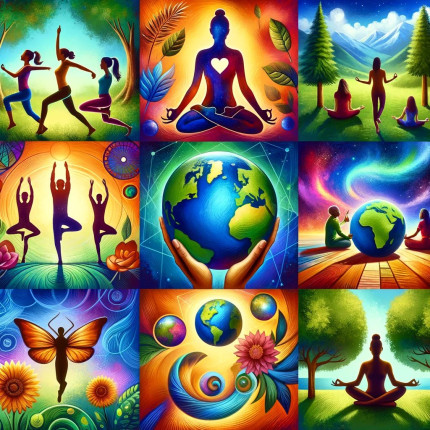
Personal Growth at Stage Green:
- Cultivating Emotional Intelligence: Personal growth at this stage means actively cultivating emotional intelligence. It’s about learning to navigate not just your own emotions but also understanding and empathizing with others.
- Developing a Global Perspective: Growing in Stage Green involves broadening your perspective – thinking globally and understanding the interconnectedness of all life.
- Practicing Mindfulness and Presence: People at Stage Green often practice mindfulness and strive to be present in the moment. This helps in deepening the connection with self, others, and the world.
- Advocating for Social and Environmental Causes: Personal development at this stage also means taking a stand for causes you believe in. It’s about turning empathy and awareness into action, whether through volunteering, activism, or making lifestyle changes that align with your values.
- Exploring Spirituality: Many at Stage Green explore spirituality in diverse forms, seeking a deeper understanding of themselves and the universe. It’s about finding a spiritual path that resonates with your core values.
Remember, transitioning to and growing in Stage Green is a unique journey for each person. It’s not about ticking off a checklist but about embracing a set of values and beliefs that resonate with your deepest sense of self. In the next section, we’ll look at how Stage Green interacts with other stages in the Spiral Dynamics model. Stay tuned, as this is where the intricate dance of human consciousness really comes to life!
Interaction with Other Stages: The Dance of Consciousness
Have you ever watched a dance where each dancer moves to their own rhythm yet somehow remains in harmony with the others? That’s a bit like how Stage Green interacts with the other stages in Spiral Dynamics. Each stage has its unique rhythm,  and understanding these interactions gives us a richer perspective on the human experience. So, let’s explore how Stage Green engages in this intricate dance of stages.
Relationships and Conflicts with Other Stages:
- With Purple (The Tribalists): Green and Purple both value community, but their approaches are different. Purple’s community is based on traditional, tribal bonds and superstitions, while Green’s is founded on shared values, empathy, and understanding. Green might see Purple’s rigid adherence to traditions as limiting, while Purple might view Green’s inclusive approach as destabilizing to traditional structures.
- With Red (The Power Gods): The relationship here can be quite challenging. Red’s assertive, power-driven mentality can be at odds with Green’s emphasis on equality and consensus. Green might view Red’s power plays as primitive and destructive, while Red might see Green’s emphasis on feelings and community as weak or indecisive.
- With Orange (The Achievers): Green often finds itself in a gentle tug-of-war with Orange. While Orange values achievement, progress, and rationality, Green brings in empathy, community, and holistic thinking. They can learn a lot from each other, but their different priorities sometimes lead to misunderstandings. Imagine a scenario where an Orange-driven corporation meets Green activism – it’s a classic case of head meets heart.
- With Blue (The Traditionalists): Green’s inclusive and egalitarian views can sometimes clash with Blue’s focus on order, tradition, and rules. Green might see Blue as too rigid, while Blue might view Green as too permissive. Yet, there’s potential for harmony, as both value community and belonging, albeit in different ways.
- With Yellow (The Integrators): Green’s journey towards Yellow can be fascinating. Yellow integrates the insights of all previous stages, including Green. They share many values with Green, but Yellow brings a higher level of systems thinking and a more detached perspective. For Green, moving towards Yellow can mean embracing complexity without losing empathy.
- With Turquoise (The Holistics): Green’s journey towards Turquoise involves an expansion from empathy and community focus to a broader, more holistic understanding of the world. Turquoise integrates the values of Green but adds a deeper comprehension of the interconnectedness of all things, both seen and unseen. This stage transcends Green’s focus on human welfare to include a more cosmic perspective, where the health of the entire planet and its place in the universe are considered.
The Role of Stage Green in the Broader Spiral:
Stage Green plays a pivotal role in the broader spiral of human development. It acts like a bridge, transitioning from the self-focused, achievement-oriented Orange to the more integrative, systems-oriented Yellow. Green introduces a level of empathy and community awareness that enriches the entire spiral.
In many ways, Green is the heart of the spiral, pumping fresh ideas and values into the system. It challenges us to think beyond individual success and to consider our impact on others and the planet. Green’s emphasis on emotional intelligence, environmental sustainability, and social justice contributes significantly to the evolution of collective consciousness.
So, as we journey through the stages of Spiral Dynamics, let’s appreciate the unique contributions of each stage, including the empathetic and inclusive worldview of Green.
Real-World Examples: Stage Green in Action
As we journey through the theoretical aspects of Stage Green, it’s incredibly insightful to ground our understanding with real-world examples. It’s like putting on a pair of glasses that lets you see the green hues in the tapestry of our world. So, let’s take a look at how Stage Green manifests in tangible ways, both through organizations and influential leaders.

Case Studies of Stage Green:
- Non-Profit Organizations Focused on Social Justice: Think of non-profits that work tirelessly to bridge social divides, provide aid, and fight for equality. These organizations embody the Green ethos of community, empathy, and social responsibility. Their efforts in areas like refugee assistance, poverty alleviation, and equal rights are stellar examples of Green values at work.
- Environmental Advocacy Groups: Stage Green shines brightly in organizations that champion environmental causes. Whether it’s protecting endangered species, combating climate change, or promoting sustainable living, these groups showcase Green’s deep-rooted concern for Mother Earth.
- Companies with a Focus on Employee Well-being and Social Responsibility: Some modern companies go beyond profit-making to prioritize employee wellness, community engagement, and ethical practices. They create inclusive work environments, support local communities, and make decisions with an eye on environmental impact, embodying the caring and sustainable spirit of Stage Green.
Leaders Exemplifying Stage Green Values:
- Socially Conscious Entrepreneurs: There are business leaders who integrate Green values into their operations. They focus on creating products or services that are not only innovative but also socially and environmentally responsible. They prove that it’s possible to be successful in business while upholding ethical values and contributing positively to society.
- Activists and Humanitarians: Influential figures who advocate for human rights, environmental protection, and social justice are the living embodiments of Stage Green. They inspire change not just through their words but through their actions, showing what it means to live a life dedicated to the greater good.
- Innovative Educators and Thought Leaders: Think about those educators who are revolutionizing the way we learn and grow. They’re introducing more empathetic, inclusive, and holistic educational models, aligning with Green’s emphasis on emotional intelligence and communal learning.
Now, as we talk about these examples, it’s important to remember that no organization or leader is perfect, and they might not fit neatly into one stage. But what these examples do show us is the influence and reach of Stage Green values in various spheres of our lives.
In our next section, we’ll wrap up our exploration of Stage Green with some final thoughts and reflections. Join me as we conclude this enlightening journey through the stages of human consciousness!
Unhealthy Manifestations and Excesses of Green: Navigating the Pitfalls
As we’ve journeyed through the vibrant landscape of Stage Green, it’s important to also acknowledge that, like all stages in Spiral Dynamics, Green has its pitfalls. It’s like enjoying the sun but also being mindful of getting sunburned. Let’s explore some of the unhealthy manifestations and excesses of Green, so we can better navigate and balance these tendencies.
- Over-Sensitivity and Offense: Green’s empathy can sometimes tip over into being overly sensitive or easily offended. It’s crucial to balance this with a thicker skin, as the world won’t always cater to our sensitivities.
- Idealism vs. Practicality: Green’s heart-driven idealism is beautiful, but without a blend of Orange’s strategic thinking, plans can lack practicality. It’s about finding that sweet spot between caring deeply and having a solid strategy to make those dreams a reality.
- Groupthink and Mob Mentality: While consensus is valued in Green, it can sometimes lead to groupthink, where differing opinions are drowned out. Every stage can be ideological, and Green is no exception.
- Materialism Demonization: Green’s tendency to demonize materialism can overlook the benefits and necessities of business and economic growth. It’s essential to integrate the achievements of Orange, recognizing that not all business is bad and that society does need commerce to thrive.
- Appreciating Lower Stages: Sometimes, Green may not fully appreciate the necessity of the lower stages. It’s important to meet people where they are, not where we think they should be.
- Economic Complexity: Green can sometimes oversimplify complex economic realities. It’s about understanding the intricacies of economies and markets.
- Relativism and False Equivalency: Green’s emphasis on relativism can sometimes lead to false equivalency, failing to recognize different levels of development or cultural practices. Recognizing these differences is not about making moral judgments; it’s about acknowledging diversity in development.
- Naive Pacifism: While Green’s emphasis on peace is admirable, it can sometimes be naive in the face of real-world conflicts. Recognizing that not all problems can be solved with love and peace is important for a balanced approach to global issues.
- Overzealousness in Social Causes: Green’s passion for social causes can sometimes lead to burnout or become so intense that it starts to be detrimental to personal well-being.
- Financial Naivety: A focus on altruism and communal living can sometimes lead to a lack of financial acumen or poor handling of personal and communal finances.
- Boundary Issues: Green’s push for openness and inclusivity can sometimes blur necessary boundaries, leading to complicated situations where clarity and limits are needed.
- Balancing Compassion with Practicality: Green’s compassionate approach is a strength, but it needs to be balanced with practical, sometimes hard decisions. It’s about integrating both the feminine aspect of compassion and the masculine aspect of action and decisiveness.
In understanding these potential pitfalls of Green, we equip ourselves to navigate this stage more effectively, embracing its strengths while being mindful of its excesses. Remember, the goal is not to discard Green but to integrate its values in a balanced and healthy way as we continue our journey through the spiral of consciousness.
In our next section, we’ll bring our exploration of Stage Green to a close, reflecting on the key insights and lessons we’ve gathered along the way. Stay with me as we wrap up this enlightening journey!
Future Perspectives: Envisioning Stage Green’s Evolution
As we near the end of our exploration of Stage Green, let’s cast our gaze forward. Imagine we’re standing on a hilltop, looking out over the landscape of human development. Where does Green go from here? How does it evolve, and what can we do to prepare for the journey to the next stage, Yellow? Let’s explore these forward-looking questions together.
The Potential Future Evolution of Stage Green:
- Deepening of Empathy and Global Consciousness: I see a future where Stage Green’s empathy and community focus evolve to embrace not just local or national communities, but a truly global consciousness. It’s about realizing that we’re all citizens of this one Earth and acting accordingly.
- Balancing Idealism with Practicality: One evolution I anticipate for Green is finding a balance between its idealistic goals and the practical realities of life. It’s like learning to dream big while keeping our feet firmly on the ground.
- Integration of Technology and Sustainability: As we move forward, I expect to see Green harnessing technology in ways that promote sustainability and global connectedness, blending human-centric values with technological advancements.
- Preparing for the Transition to Yellow (The Integrators): Now, this is an exciting part! Transitioning from Green to Yellow involves a significant shift in consciousness. Yellow is characterized by a more systemic and integrated understanding of the world, transcending the emotional focus of Green.
- Embracing Complexity: To prepare for Yellow, we need to start embracing complexity in all its forms. It’s about recognizing that the world isn’t just black and white or good and bad. There are myriad shades in between, and every perspective has its value.
- Developing Systems Thinking: Yellow thinks in systems, seeing the interconnectedness of all things. To move towards Yellow, start honing your ability to see how different aspects of society and the environment interact and influence each other.
- Cultivating Detachment and Flexibility: Yellow brings a level of detachment and flexibility that allows for greater adaptability. It’s about being open to change and new ideas, and not getting too attached to any single viewpoint or ideology.
As we stand on this hilltop, looking out at the future of Stage Green, it’s clear that the journey doesn’t end here. Each stage in Spiral Dynamics builds on the previous ones, and the evolution from Green to Yellow is a natural progression in our collective journey of growth and understanding.
In our next and final section, we’ll wrap up our deep dive into Stage Green, reflecting on all that we’ve explored and learned together. So, stay with me, as we bring this enlightening journey to a close!
Transform Your Habits, Transform Your Life
Are you ready to turn the page to a new chapter in your life?
Stop dreaming, start achieving. Our exclusive newsletter delivers:
- Science-backed hacks: Master the psychology of habit formation used by CEOs and Olympians.
- Actionable strategies: No fluff, just practical steps to crush procrastination and dominate your goals.
- + a FREE surprise bonus 🎁 to jumpstart your transformation!
Don’t settle for mediocre. Subscribe now!