

In a world where the pace of life accelerates with each passing day, stress has become a universal companion, silently shaping our daily experiences and choices. But what exactly is stress, and how does it influence us? At its core, stress is our body’s method of reacting to any kind of demand or threat, real or perceived. It’s a survival mechanism that has evolved over millennia, yet in our modern lives, it often activates in situations far removed from the life-or-death scenarios of our ancestors.
Beneath the surface of our conscious awareness, our bodies are constantly communicating in a language older than words. This primal dialogue orchestrates our natural response to stressful situations through intricate biological and psychological processes. These responses, broadly categorized into fight, flight, freeze, and fawn, represent the diverse ways our bodies and minds attempt to navigate and survive in a world that is often unpredictable and challenging.
As we delve into the nuanced world of fight, flight, freeze, and fawn, we embark on a journey to understand not just the biological imperatives that drive us, but also the psychological underpinnings that shape our reactions. This exploration is more than academic curiosity; it’s a key to unlocking a deeper understanding of ourselves and enhancing our ability to cope in a world that, despite its advancements, remains inherently stressful.
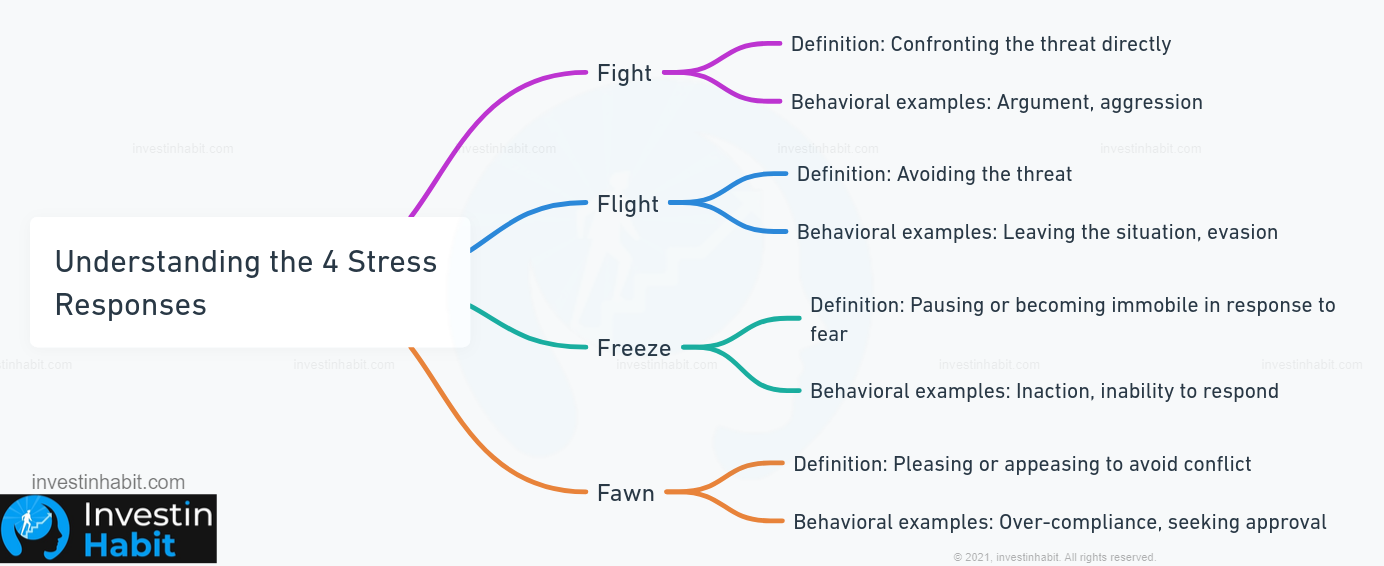
The fight response is your body’s way of facing any perceived threat aggressively. Flight means your body urges you to run from danger. Freeze is your body’s inability to move or act against a threat. Fawn is your body’s stress response to try to please someone to avoid conflict. – Martin Taylor on WebMD
Inside this Article
The Fight Response

Have you ever faced a situation that made your heart race, your palms sweat, and your mind laser-focused on confronting the challenge head-on? That’s the fight response in action, a powerful testament to how our bodies and minds rally to protect us in times of stress or danger.
What is the Fight Response?
Let’s start with the basics. The fight response is one of our most primal survival strategies. It’s that instinctive surge of energy that compels you to stand your ground and face a threat, rather than running away or freezing in place. But it’s not just about literal fighting; this response kicks in during any situation where you feel the need to assert yourself or tackle a problem head-on.
Picture this: You’re faced with a situation that feels threatening or challenging. Maybe it’s a tight deadline at work, a heated discussion, or even a physical danger. In these moments, your body might kick into what’s known as the ‘fight response.’ It’s one of our most primal survival strategies, deeply ingrained in our biology.
The fight response is essentially your body’s way of preparing to confront and deal with a threat head-on. It’s not just about physical altercations – this response can activate in all sorts of scenarios where you feel the need to defend yourself, stand your ground, or take decisive action.
When you’re in fight mode, you might notice some clear changes. Your heart rate might go up, your muscles could tense, and you’ll likely feel a surge of energy. This is your body gearing up, getting ready to face the challenge. Mentally, you become more focused and alert, ready to tackle the problem.
It’s like your body and mind are saying, “Okay, let’s do this. We’re ready to handle whatever comes our way.” This response can be incredibly powerful and, when channeled correctly, can help you overcome obstacles and stand up for yourself in critical situations.
Understanding the fight response is really about recognizing how your body and mind react to stress or threats. It’s a natural part of being human, and it’s there to help you when you need it. So next time you feel this reaction kicking in, remember, it’s your body’s way of preparing you to rise to the challenge.

Transform Your Life with InvestInHabit

Ready for real change? Join us and get over:
- 200+ Personal Development Worksheets,
- 100+ Blog Post MindMaps
for FREE! 😍 + Our newsletter offers the latest in habit formation and self-improvement, straight to your inbox.
Subscribe now and Start redefining your mindset today! Join our community committed to success!
Biological Basis: How the Body Prepares for a Fight Response
Now, let’s dive a little deeper into what’s actually happening inside your body when the fight response kicks in. It’s like peeking under the hood of a car – understanding how the engine works can be really enlightening.
1. The Role of Adrenaline and Other Stress Hormones
First up, when you’re faced with a stressful situation, your brain sends a signal to your adrenal glands to release a cocktail of hormones, and the star player here is adrenaline, often known as the ‘fight or flight’ hormone. Adrenaline’s job is to get your body ready to face a challenge.
Along with adrenaline, there’s also a release of cortisol, the stress hormone. These hormones work together to prime your body for action. It’s like flipping a switch that turns on all the systems needed to handle a threat.
2. Physiological Changes in Your Body
As these hormones flood your system, a bunch of physiological changes happen:
- Increased Heart Rate and Blood Pressure: Your heart starts pumping faster, sending more blood to the muscles and organs that need it most. This is your body ensuring that your muscles have the energy they need to respond quickly.
- Heightened Senses: Ever noticed how your senses seem sharper in a stressful situation? That’s adrenaline at work. It heightens your senses so you can better assess the environment and react accordingly.
- Rapid Breathing: Your breathing rate increases to supply more oxygen to your brain and muscles. This helps you stay alert and ready for action.
- Muscle Tension: Your muscles might tense up, priming you for physical activity, whether that’s standing up to confront someone verbally or physically defending yourself.
It’s pretty amazing how our bodies are designed to respond to stress, isn’t it? This whole process is part of your body’s natural, in-built defense system. It’s there to protect you and help you cope with challenges. So, next time you feel these changes happening in your body, you’ll know exactly what’s going on and why. It’s your body doing its job to prepare you to face whatever challenge comes your way.
Psychological Aspects of the Fight Response
Now, let’s shift our focus to the psychological side of the fight response. Understanding this aspect is just as important as knowing the physical changes, as it can really shape how you handle stress and confront challenges.
1. Mental Focus and Determination
When the fight response kicks in, it’s not just about physical readiness; your mental state shifts too. You might notice your focus narrows down, centering intensely on the stressor. It’s like your mind is saying, “Okay, this is the challenge. Let’s deal with it.” This heightened focus can be incredibly powerful, helping you to address the problem head-on.
2. Emotions in the Fight Response
Emotionally, the fight response can evoke feelings of anger, irritability, or even aggression. These emotions aren’t inherently negative; they’re natural parts of your psychological defense system. They can fuel your determination to stand up for yourself or to tackle a problem. But, it’s important to manage these emotions effectively so they don’t lead to counterproductive actions.
3. The Role of Confidence and Self-Efficacy
There’s also a sense of confidence that often accompanies the fight response. It’s your mind’s way of boosting your belief in your ability to handle the situation. This self-efficacy can be a huge asset, especially in situations where assertiveness and direct action are required.
4. Potential for Stress-Induced Tunnel Vision
On the flip side, this intense focus can sometimes lead to a kind of tunnel vision, where you might overlook other aspects of the situation or potential solutions. Being aware of this can help you take a step back when needed, to consider a broader perspective.
Remember, the psychological aspects of the fight response are a normal part of how you react to stress. Understanding them can help you channel this response in positive and effective ways. It’s about harnessing that energy and determination, not just to confront challenges but to approach them in a balanced and thoughtful manner.
Examples of the Fight Response in Real-Life Situations
Now, let’s bring the fight response closer to your everyday life. By looking at some common examples, you can better recognize when this response is at play and understand how it impacts your actions and decisions.
- Standing Up in a Heated Argument: Imagine you’re in a discussion that suddenly becomes heated. You feel your pulse quicken and your focus sharpen as you passionately argue your point. That surge of energy and determination? That’s the fight response, powering you to stand your ground.
- Dealing with a Challenge at Work: Consider a time at work when a big problem landed on your desk, something that seemed almost insurmountable. Instead of shying away, you tackled it head-on, channeling your energy into finding solutions. This is the fight response in action, driving you to confront and overcome workplace challenges.
- Protective Instincts in Dangerous Situations: Have you ever been in a situation where someone you care about was threatened, and you found yourself instinctively stepping in to protect them? That protective instinct, that readiness to face the danger, is a clear example of the fight response.
- Asserting Yourself in Personal Boundaries: Sometimes, the fight response can be as subtle as asserting your boundaries in a personal relationship. When someone oversteps, and you firmly communicate your limits, that assertiveness is fueled by the fight response.
Recognizing these instances in your life is crucial. It helps you understand that the fight response isn’t just about aggression; it’s about harnessing your inner strength to face challenges head-on. It’s a powerful tool when used appropriately, allowing you to stand up for yourself and what you believe in.
Managing and Channeling the Fight Response Effectively
Now that we understand the fight response, let’s talk about how to manage and channel it in a positive way. After all, this powerful response can be a fantastic asset when used effectively.
- Recognize the Signs: The first step in managing the fight response is recognizing when it’s happening. You might feel your heart rate increase, your muscles tense, or a surge of energy. When you notice these signs, take a moment to pause. It’s like a mental checkpoint, giving you a chance to assess the situation.
- Practice Deep Breathing: When you feel the fight response activating, try some deep breathing exercises. Inhale slowly for a count of four, hold for four, and exhale for four. This can help calm your physiological reactions and give you a clearer head to assess the situation.
- Evaluate the Situation: Ask yourself, “Is this a situation that truly requires a fight response?” Sometimes, what feels like a threat isn’t actually dangerous. By evaluating the situation, you can determine whether a fight response is the most appropriate and effective reaction.
- Channel the Energy: If the situation does call for a fight response, think about how you can channel that energy constructively. This might mean assertively communicating in a conflict, tackling a challenging task head-on, or standing up for yourself or others in a healthy, respectful way.
- Develop Coping Strategies: Building a set of coping strategies can be incredibly helpful. This might include activities like physical exercise, journaling, or engaging in a hobby. These can help you process the energy and emotions that come with the fight response in a positive way.
- Seek Feedback and Reflect: After an incident where you’ve utilized the fight response, reflect on how it went. It can also be helpful to seek feedback from trusted friends or colleagues. This reflection can help you learn and grow, improving how you manage this response in the future.
Remember, the fight response is a natural part of your stress reaction. It’s not something to be feared or suppressed, but rather understood, managed, and directed in a way that serves you best. With practice and awareness, you can harness the power of the fight response to your advantage, using it to confront challenges effectively and assertively.
The Flight Response
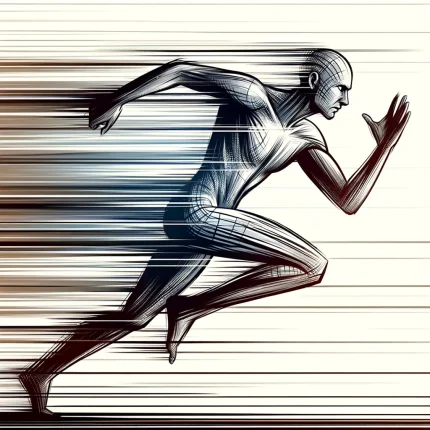
Have you ever been in a situation that felt so overwhelming or threatening that your first instinct was to just get away from it as quickly as possible? That’s the flight response in action, a fundamental part of how we, as humans, deal with stress.
What is the Flight Response?
Let’s break it down. The flight response is your body’s natural reaction to a perceived threat or danger. It’s about avoiding harm, not by confronting it, but by distancing yourself from it. I’m not just talking about physically running away. In modern life, ‘flight’ can take many forms, like withdrawing from a difficult conversation, avoiding a challenging task, or even procrastinating.
When your brain perceives a threat, it quickly weighs your options: “Is this a fight situation, or is it better to retreat?” If it leans toward retreat, the flight response kicks in. It’s an instinctive decision, often made without much conscious thought, a testament to our brain’s remarkable ability to protect us.
The flight response can be a lifesaver in dangerous situations. It’s your body’s way of saying, “This isn’t a good place for me; I need to be somewhere else.” But it’s not just about physical safety. It’s also about emotional and psychological well-being. Sometimes, stepping away from a stressful situation can give you the space you need to collect your thoughts and emotions.
The Biological Basis of the Flight Response
Now, let’s dive a bit deeper and understand what exactly is happening inside your body during the flight response. It’s a complex, yet fascinating, interplay of biology at work.
- Neurological and Hormonal Shifts
First up, your brain plays a key role here. When you perceive a threat, a part of your brain called the amygdala (your emotional processing center) sends out an alarm. This triggers the hypothalamus, which is like the command center of your brain, to initiate a series of nerve and hormonal signals.
One key player in this response is adrenaline, the same hormone we talked about in the fight response. Along with adrenaline, your body also releases cortisol, a stress hormone. These hormones prepare your body for quick action. Think of them as your body’s natural ‘get ready to move’ signal.
- Physical Responses: Your Body’s Readiness for Flight
So, what does this hormonal surge do to your body? Firstly, your heart rate increases, just like in the fight response. But here’s where it gets interesting. Your breathing speeds up, not just to prepare you for physical exertion but also to increase oxygen to your brain, enhancing your ability to make quick decisions.
Your muscles may tense up, priming you for rapid movement. Even your blood flow changes, redirecting to essential areas like muscles and away from non-essential functions like digestion. It’s your body’s way of prioritizing resources for immediate action.
It’s fascinating, isn’t it? Your body has this incredible ability to shift gears and prepare you to flee from danger, even in situations where the ‘danger’ is not a physical threat but a psychological one. It’s a clear example of how our ancient survival mechanisms are still at play in our modern, everyday lives.
Psychological Aspects of the Flight Response
So, we’ve talked about what happens in your body during the flight response, but what about in your mind? The psychological aspects are just as important and intriguing.
When you’re experiencing the flight response, your mind is essentially in survival mode. It’s not just about physically escaping; it’s about emotionally and mentally distancing yourself from the stressor. You might find yourself avoiding challenging conversations, delaying tough decisions, or even mentally ‘checking out’ in stressful situations.
This response is rooted in a deep-seated instinct to protect yourself. It’s your mind’s way of saying, “This is too much; I can’t deal with this right now.” And while this can be a useful short-term strategy, it’s important to be aware of how it affects you in the long run.
You see, the flight response can also lead to feelings of anxiety and restlessness. Ever felt like you just can’t sit still or relax when you’re stressed? That’s your flight response in action. It can make it hard to focus and stay present, as your mind is constantly looking for an ‘exit.’
But here’s something I want you to remember: it’s okay to feel this way. These responses are a normal part of being human. The key is recognizing when it’s happening and finding healthy ways to manage it. Whether it’s through mindfulness, talking to someone you trust, or simply giving yourself permission to take a break, there are many ways to soothe your mind and bring yourself back to a state of calm.
Real-Life Examples of the Flight Response
Now, let’s connect what we’ve learned to everyday life. It’s one thing to understand the flight response in theory, but seeing how it plays out in real-world situations can really bring it home. I’m sure you’ve experienced this response yourself at some point.
- Avoiding Conflict: Imagine you’re at work, and a heated argument starts. Your first instinct might be to leave the room or to stay silent, avoiding involvement. That’s the flight response in action, steering you away from potential conflict.
- Public Speaking Anxiety: Think about a time when you had to speak in front of a crowd. For many of us, just the thought of public speaking triggers a strong urge to run the other way. Your heart races, your palms sweat – classic flight response signs, right?
- Procrastination: Here’s a subtle one. Ever had a big project or a looming deadline and found yourself doing everything but tackling that task? Procrastination can often be a manifestation of the flight response, a way to mentally ‘flee’ from a stressful situation.
Recognizing these patterns in your own life can be incredibly enlightening. It’s like having an ‘aha’ moment where you suddenly understand why you react in certain ways. And the best part? Once you’re aware of these responses, you can start to address them more consciously. It’s not about criticizing yourself; it’s about understanding and learning from your reactions.
Remember, the flight response is a natural, human reaction to stress. It’s part of who we are. The goal isn’t to eliminate this response, but to manage it in a way that works for you and your unique circumstances.
Coping Strategies for the Flight Response
So, you’ve recognized the flight response in your life – what now? Let’s talk about some practical ways you can manage and cope with this response. It’s all about finding strategies that work for you, turning a potentially overwhelming reaction into a manageable one.
- Mindfulness and Awareness: The first step is awareness. By simply being mindful of your reactions, you can start to understand your triggers. I always say, knowledge is power. When you feel the urge to flee, pause for a moment. Ask yourself, “What’s triggering this response?” Sometimes, just acknowledging it can lessen its intensity.
- Breathing Techniques: Never underestimate the power of breathing. When you’re feeling the urge to escape, try some deep breathing exercises. Inhale deeply, hold it for a few seconds, and then exhale slowly. This helps calm your nervous system and can bring you back to a state of equilibrium.
- Problem-Solving Skills: Sometimes, the best way to deal with the flight response is to tackle the problem head-on, but in small, manageable steps. Break down the overwhelming task or situation into smaller, more manageable parts. This can make it feel less daunting and help you feel more in control.
- Seeking Support: Remember, you don’t have to handle everything on your own. Talking to friends, family, or a professional can provide a different perspective and support. Sometimes, just voicing your fears and concerns can make them feel less overwhelming.
- Physical Activity: Engaging in physical activity can be a great way to manage stress. It’s not about running away from the problem, but rather channeling your energy into something positive. Whether it’s a brisk walk, a jog, or yoga, find an activity that you enjoy and that helps you feel grounded.
Implementing these strategies might take some practice, but it’s worth it. You’re essentially training your brain to handle stress in a more balanced and effective way. And remember, it’s okay to have moments of flight response; it’s a natural part of being human. The goal is to manage it in a way that supports your well-being and helps you navigate life’s challenges more effectively.
The Freeze Response

Now, let’s turn our attention to another fascinating aspect of our stress responses: the freeze response. Ever felt so overwhelmed in a stressful situation that you just couldn’t move or think? That’s the freeze response in action, and it’s more common than you might think.
What is the Freeze Response?
The freeze response is like hitting the pause button on your body and mind during moments of extreme stress. It’s a protective mechanism, deeply embedded in our survival instincts. While the fight and flight responses prepare you for action, the freeze response does the opposite – it immobilizes you.
Think about a deer caught in headlights. That’s the classic example of the freeze response. But in our lives, it can look a lot different. It might happen during a high-pressure moment, like a crucial presentation, where you suddenly find yourself unable to speak or move. Or it could be in response to emotional trauma, where you feel emotionally numb and disconnected.
The freeze response can be confusing because, on the surface, it seems like you’re doing nothing. But beneath the surface, your brain and body are working hard to protect you. It’s your system’s way of saying, “This is too much, I need to shut down for a moment to process this.”
Understanding this response is key to recognizing it in yourself and others. It’s a natural reaction, not a sign of weakness. In fact, it’s a testament to the complex and incredible ways our bodies and minds work to protect us in the face of overwhelming stress.
The Biological Underpinnings of the Freeze Response
Understanding what’s happening inside your body during the freeze response can be incredibly eye-opening. It’s a complex interplay of neurology and physiology, all designed to protect you.
- Neurological Pathways Involved
First, let’s look at the brain’s role. When you encounter extreme stress, your brain’s fear circuitry, particularly the amygdala, gets activated. It sends signals to other parts of your brain, like the hypothalamus and the brainstem, which then trigger the freeze response. This is your brain’s way of assessing the situation and deciding that freezing, or immobilization, is the safest option.
During this time, your brain’s higher functions, like rational thinking and decision-making, often take a backseat. It’s like your brain is saying, “Okay, let’s not do anything rash here; let’s pause and figure this out.” This response is deeply rooted in our evolutionary past – it’s a survival mechanism that has been with humans for thousands of years.
- Physiological Symptoms: Immobilization and Numbness
Now, on to what happens in your body. The most noticeable symptom is immobilization. You might find yourself physically unable to move or respond, as if your body has gone on lockdown. This isn’t a conscious decision; it’s an automatic reaction from your body.
You might also experience numbness or a sense of detachment from your surroundings. Some people describe it as feeling like they’re watching themselves from outside their body. This can be a disconcerting experience, but it’s your body’s way of coping with extreme stress or trauma.
It’s important to remember that these responses are normal and are part of your body’s natural defense mechanisms. By understanding the biological basis of the freeze response, you can begin to recognize it in yourself and approach it with more compassion and understanding.
The Psychological Dimension of Freezing
Now that we’ve explored the biological side, let’s delve into the psychological dimension of the freeze response. This aspect is just as crucial in understanding how we cope with extreme stress.
When you’re in a freeze state, it’s not just your body that’s immobilized; your emotions and thought processes are deeply affected too. It’s like your mind hits a pause button, giving you a momentary break from the intensity of the situation. This can manifest in various ways, from feeling emotionally numb to having a ‘blank’ mind.
This response is often your mind’s way of protecting you from overwhelming emotions or memories. Think of it as a temporary mental retreat. For instance, in a traumatic situation, your mind might ‘freeze’ to shield you from the full emotional impact at that moment. It’s a form of dissociation, where you might feel detached from reality or as if you’re observing the situation from a distance.
It’s important to recognize that freezing can be a natural and sometimes necessary reaction to trauma or extreme stress. However, if you find yourself frequently freezing in less threatening situations, it could be a sign that your mind is overly reliant on this defense mechanism. In such cases, it might be helpful to seek support, whether it’s talking to a trusted friend or consulting a professional.
Remember, your mental health is just as important as your physical health. Understanding and acknowledging the psychological aspects of the freeze response can be a significant step in managing your overall well-being.
Instances Where Freeze Response is Observed
In our journey through understanding stress responses, the freeze response is particularly intriguing. It’s like your body’s way of hitting the pause button, and it happens more often than you might think. Let’s explore some real-life situations where the freeze response typically shows up.
- High-Pressure Moments: Imagine you’re about to give a big presentation, and suddenly, you feel like you can’t move or speak. Your mind goes blank. This is a classic instance of the freeze response in action, occurring when we’re under immense pressure and feel overwhelmed.
- Traumatic Events: In the face of trauma or extreme fear, the freeze response can be a common reaction. It’s your body’s way of protecting you by shutting down non-essential functions to cope with the immediate threat. It’s like an internal safeguard mechanism kicking in.
- Unexpected Challenges: Sometimes, when faced with a sudden and unexpected challenge, you might find yourself momentarily ‘frozen.’ It could be hearing shocking news or encountering a sudden obstacle. This response gives your brain a moment to process and decide on the next course of action.
- Social Overwhelm: Ever been in a social situation that feels so overwhelming that you can’t seem to interact or engage? That’s the freeze response, too. It’s not just about physical threats; social and emotional stressors can trigger it as well.
Understanding these instances helps you recognize the freeze response in your own life. It’s a natural reaction to stress and not something to be ashamed of. Knowing when and why it happens can empower you to handle it more effectively. Remember, it’s your body’s way of trying to cope with stress, and with awareness and practice, you can learn to navigate through it more smoothly.
Techniques to Overcome the Freeze Response
Now, let’s talk about how you can manage and overcome the freeze response. It’s all about finding strategies that help you regain control and feel more grounded. Remember, these techniques are not one-size-fits-all, so feel free to adapt them to what feels best for you.
- Grounding Techniques: Grounding is all about bringing your attention back to the present moment. Simple actions like focusing on your breath, feeling your feet on the ground, or touching objects around you can help. I often suggest to people to name five things they can see, four they can touch, three they can hear, two they can smell, and one they can taste. It’s a straightforward way to reconnect with your surroundings.
- Mindfulness and Meditation: Practicing mindfulness can be incredibly effective. It’s about observing your thoughts and feelings without judgment. Meditation, even just a few minutes a day, can help calm your mind and reduce the tendency to freeze. There are plenty of apps and online resources if you’re new to this.
- Physical Movement: Sometimes, just moving your body can help ‘thaw’ the freeze response. Gentle stretches, walking, or any form of exercise that you’re comfortable with can be beneficial. It’s not about intense workouts; it’s about reconnecting with your body.
- Seeking Professional Help: If you find that freezing is significantly impacting your life, it might be helpful to talk to a therapist or counselor. They can offer tailored strategies and support to help you understand and work through your responses.
- Self-Compassion: Lastly, be kind to yourself. Experiencing the freeze response is a natural reaction to stress. Remind yourself that it’s okay to feel this way and that with time and practice, you can learn to manage it more effectively.
Remember, overcoming the freeze response is a journey, not a destination. It’s about learning more about yourself and finding ways to cope with stress that are healthy and effective for you.
The Fawn Response

As we continue our journey through the diverse landscape of stress responses, let’s turn our attention to a less commonly discussed but equally important reaction: the fawn response. This might be a new concept for you, but it plays a crucial role in how we handle stressful situations.
What is the Fawn Response?
The fawn response is a bit different from the fight, flight, and freeze responses we’ve talked about. It involves a strategy of coping with stress by trying to please or appease others to avoid conflict or further stress. Have you ever found yourself going out of your way to accommodate someone else’s needs or preferences during a tense situation, even if it meant neglecting your own? That’s the fawn response in action.
It’s like your brain’s way of saying, “If I can make this person happy or keep the peace, maybe I can avoid any negative consequences.” It’s a survival mechanism, rooted in the desire to feel safe and secure. This response can be particularly common in people who have experienced situations where pleasing others was a way to avoid conflict or ensure safety.
Understanding the fawn response is important because it can sometimes lead to neglecting your own needs or boundaries. It’s a response that often flies under the radar because, on the surface, it can look like you’re just being helpful or considerate. But beneath that, it’s a stress response, driven by an underlying fear or need for safety.
So, as we explore this response, remember that it’s a natural and common way to cope with stress. The goal here is to recognize when it’s happening and to learn ways to maintain your own boundaries and well-being while still being responsive to others.
Biological and Psychological Background of Fawning
Understanding the fawn response on a deeper level, both biologically and psychologically, can be incredibly insightful. It’s fascinating to see how our bodies and minds work together in response to stress.
1. Hormonal and Neural Responses
Biologically, the fawn response involves a complex interplay of hormones and neural pathways. When you’re fawning, your body’s stress response system is activated, releasing hormones like cortisol. But unlike the fight or flight responses, the hormonal surge in fawning is more nuanced. It’s less about preparing for physical action and more about emotional regulation.
Your brain plays a key role here. Certain areas, such as the prefrontal cortex responsible for decision-making and social behavior, become more active. This increased activity helps you assess the social situation and determine the ‘safest’ response, often leading to behaviors aimed at reducing conflict or pleasing others.
2. Emotional and Behavioral Aspects
Psychologically, fawning is deeply tied to emotional and social dynamics. It often stems from a deep-seated need for safety, approval, and belonging. If you’ve ever found yourself excessively agreeing with someone during a stressful conversation or going out of your way to please someone to avoid potential conflict, that’s the fawn response at work.
This response can be traced back to earlier experiences where such behavior was reinforced as a way to maintain harmony or avoid negative consequences. It’s like your brain has learned that the best way to stay safe is to keep others happy, even if it means putting your own needs or feelings aside.
It’s important to recognize that while fawning can be effective in certain situations, it can also lead to a pattern of behavior where your own needs and boundaries are consistently overlooked. Awareness is the first step in addressing this. By understanding the fawn response, you can start to recognize when you’re doing it and explore healthier ways to deal with stress while respecting your own needs and boundaries.
Fawn Response in Everyday Scenarios
Now, let’s bring the fawn response closer to home by looking at how it might show up in your everyday life. Recognizing these patterns can be a real eye-opener, helping you understand your reactions and interactions more clearly.
- In the Workplace: Have you ever agreed to take on extra work despite your already full plate, just to avoid disappointing your boss or colleagues? That’s a classic example of the fawn response. It’s about prioritizing others’ needs over your own to maintain harmony or approval in the workplace.
- In Personal Relationships: Think about times when you’ve gone along with what a friend or partner wanted, even if it wasn’t what you truly desired. Maybe you didn’t speak up about your preferences for fear of causing a disagreement. That’s fawning – it’s about smoothing things over, often at the expense of your own needs or feelings.
- During Conflict: During arguments or tense discussions, do you find yourself quickly conceding or trying to appease the other person, even if you don’t entirely agree? This is another common instance of the fawn response, where the main goal is to de-escalate the situation and avoid further conflict.
Recognizing these instances in your life is not about self-judgment. It’s about self-awareness. I want you to understand that while these responses are normal, they can sometimes lead to a pattern where your own voice and needs get lost. By identifying these moments, you can start to consider how you might approach them differently, in ways that respect both your needs and those of others.
Addressing and Managing the Fawn Response
Now that we’ve identified what the fawn response looks like in everyday situations, let’s talk about how you can address and manage it. It’s about finding a balance between being considerate of others and honoring your own needs.
- Developing Self-Awareness: The first step is recognizing when you’re fawning. This might require some introspection. Ask yourself, “Am I doing this because I really want to, or am I trying to avoid conflict?” Understanding your motivations can help you make more conscious choices.
- Setting Boundaries: This is crucial. Learning to set and maintain healthy boundaries is a key part of managing the fawn response. It’s about knowing your limits and being able to communicate them to others. Remember, setting boundaries is not about being confrontational; it’s about respecting yourself and your needs.
- Practicing Assertiveness: Being assertive doesn’t mean being aggressive. It’s about expressing your thoughts and needs clearly and respectfully. You can start small. Practice saying no to minor things, or express a different opinion in a conversation. It’s like building a muscle – the more you do it, the stronger it becomes.
- Seeking Support: Sometimes, discussing these patterns with a trusted friend, family member, or therapist can be incredibly helpful. They can offer a different perspective and support you in your journey to manage the fawn response.
- Self-Compassion: Lastly, be kind to yourself during this process. Changing ingrained behaviors and responses takes time and patience. Celebrate the small victories and be gentle with yourself when things don’t go as planned.
Remember, managing the fawn response isn’t about changing who you are. It’s about becoming more aware of your patterns and making choices that are healthier and more aligned with your true self.
Comparative Analysis

After exploring each of these stress responses individually, it’s beneficial to put them side by side for a comparative analysis. This will help you see the unique aspects of each and how they might show up in different situations in your life.
Comparing and Contrasting the Four Responses to Stress
- Fight Response: This is all about confrontation and tackling challenges head-on. When you’re in fight mode, you’re ready to stand your ground and face the stressor. It’s characterized by physical and mental readiness, often accompanied by feelings of anger or aggression.
- Flight Response: The opposite of fighting, this is about avoiding the stressor. When you’re in flight mode, your instinct is to escape, to get away from the threat. This response is marked by a strong urge to withdraw, both physically and mentally.
- Freeze Response: Here, instead of fighting or fleeing, you’re immobilized. It’s like pressing the pause button. The freeze response is characterized by a sense of detachment and a feeling of being stuck or unable to act, often accompanied by numbness or dissociation.
- Fawn Response: This is about appeasing or pleasing others as a way to diffuse or avoid conflict. When you’re fawning, you’re prioritizing others’ needs over your own, often at the expense of your boundaries and preferences.
While each of these responses has its unique characteristics, they all share a common purpose: to protect you from perceived threats or stress. It’s like having a toolkit where each tool serves a different function. Sometimes, you might need the hammer (fight), other times the escape ladder (flight), or maybe the pause button (freeze). And occasionally, it’s about using diplomacy (fawn).
Understanding these responses and recognizing which one you’re most likely to use can be incredibly empowering. It’s not about labeling one response as better than the other; it’s about knowing which tool to use in which situation. And most importantly, it’s about understanding that these responses are normal parts of being human. They’re not weaknesses; they’re survival strategies that have evolved over time.
Situational Appropriateness of Each Response
Now, let’s talk about how each of these stress responses can be appropriate in different situations. It’s like having the right tool for the right job. Understanding the situational appropriateness of each response can help you navigate stress more effectively.
- Fight Response: This response is most appropriate in situations where direct action or confrontation is needed to resolve a problem. Imagine you’re facing an injustice or a challenge that requires you to stand up for yourself or others. In such cases, the fight response can empower you to take assertive, decisive action.
- Flight Response: The flight response is suitable when the stressor poses a real threat, and avoidance is the safest option. This might be in physically dangerous situations or in scenarios where engagement could lead to unnecessary conflict or harm. It’s about choosing your battles wisely and knowing when withdrawal is the best strategy.
- Freeze Response: Freezing can be a useful response in situations that are so overwhelming that they require a moment of pause to process and understand. Sometimes, when immediate action isn’t possible or might be risky, freezing gives you time to collect your thoughts and emotions, allowing you to respond more effectively later on.
- Fawn Response: Fawning can be appropriate in situations where maintaining harmony and avoiding conflict is crucial. This might be in sensitive social situations or when dealing with people who have power over you. It can be a way of navigating through a difficult situation without escalating tensions.
Remember, each of these responses has evolved for a reason, and each has its time and place. The key is not to rely on any one response too heavily but to develop the flexibility to use each one as the situation demands. It’s about being in tune with yourself and the situation at hand, and making an informed choice about how to respond.
Interplay Between the Different Responses in Complex Situations
In real life, stress isn’t always straightforward, and neither are our responses to it. Often, we find ourselves in complex situations where multiple stress responses might come into play at the same time or in sequence. Understanding this interplay can help you navigate these situations more effectively.
- Combination of Responses: Sometimes, you might start with one response and then shift to another. For example, you might initially freeze when faced with a sudden challenge, but as you process the situation, you might shift into fight mode to address it head-on. It’s like your mind and body are working together to find the best way to cope.
- Sequential Responses: In other instances, different responses might occur in sequence as the situation evolves. Imagine you’re in a conflict; you might initially try to fawn and please the other person, but if that doesn’t resolve the issue, you might find yourself shifting to a flight response, choosing to withdraw from the situation.
- Context-Driven Responses: The context of the situation often determines which stress response you’ll lean towards. Factors like past experiences, your environment, and the people involved can all influence whether you fight, flee, freeze, or fawn. It’s important to be aware of these factors as they can provide insight into why you’re responding in a certain way.
- Learning from Interplay: Recognizing this interplay is a valuable learning opportunity. It helps you understand your default stress responses and how they can change depending on the situation. This awareness can empower you to make more conscious choices about how to handle stress in the future.
Remember, it’s normal for these responses to overlap or change depending on the situation. The key is to be aware of these dynamics and use this knowledge to manage stress more effectively. It’s like being the conductor of an orchestra, where each response is an instrument, and your job is to ensure they all play in harmony.
Coping Strategies and Management
As we navigate the complexities of stress and our various responses to it, it’s empowering to have a toolkit of strategies for managing these reactions. Let’s explore some general approaches that can help you handle stress more effectively, regardless of the specific response you’re experiencing.
General Strategies for Managing Stress Responses
- Mindfulness and Self-Awareness: This is about being present and aware of your thoughts, feelings, and bodily sensations. Practicing mindfulness can help you recognize the onset of a stress response. It’s like having an internal alarm that says, “Hey, something’s up. Let’s address it.”
- Deep Breathing Techniques: When stress hits, our breathing often becomes shallow. Consciously slowing down and deepening your breath can help counteract the body’s stress response. It’s a simple, yet powerful tool that you can use anywhere, anytime.
- Physical Activity: Exercise is a fantastic stress reliever. It doesn’t have to be intense; even a brisk walk can help clear your mind and reduce stress hormones. Think of it as a way to ‘burn off’ some of that stress energy.
- Healthy Lifestyle Choices: Eating a balanced diet, getting enough sleep, and avoiding excessive alcohol and caffeine can also play a significant role in how you handle stress. These might seem like basic elements, but they’re foundational to your overall well-being.
- Time Management: Often, stress arises from feeling overwhelmed. Learning to manage your time effectively, setting priorities, and not overcommitting can help reduce stress levels. It’s about finding a balance that works for you.
- Seeking Support: Don’t underestimate the power of talking to someone. Whether it’s friends, family, or a professional, sharing your thoughts and feelings can provide relief and perspective. Sometimes, just knowing you’re not alone in this can make a big difference.
Remember, managing stress is not about eliminating it entirely – that’s not realistic. It’s about developing skills and strategies to handle it in a healthier, more productive way. And like any skill, it takes practice. Be patient with yourself as you learn and apply these strategies.
Tailored Approaches for Each Response Type
While general stress management strategies are valuable, sometimes you need approaches that are specifically tailored to the type of stress response you’re experiencing. Let’s look at some strategies designed for each of the four responses – fight, flight, freeze, and fawn.
- For the Fight Response: If you tend to react with the fight response, focus on activities that channel your energy constructively. This could be physical exercise, like boxing or running, or even engaging in a spirited debate or competitive sport. Mindfulness practices can also be beneficial in helping you recognize and regulate strong emotions like anger or frustration.
- For the Flight Response: If your go-to response is flight, strategies that ground you and encourage facing your fears can be helpful. This might involve gradual exposure to the stressor in a controlled way, or relaxation techniques like deep breathing and meditation to calm your anxiety. Practicing assertiveness can also empower you to face situations rather than avoid them.
- For the Freeze Response: Overcoming the freeze response often involves re-engaging with your environment and your body. Techniques like grounding exercises (e.g., feeling your feet on the ground, holding a cold object) can be effective. Additionally, creative activities like drawing or writing can help you process and express what you’re feeling.
- For the Fawn Response: If you find yourself frequently fawning, working on boundary-setting and assertiveness is key. This might involve role-playing exercises to practice saying no or expressing your needs. Reflecting on your values and priorities can also help you align your actions with your true self, rather than always trying to please others.
Remember, these tailored strategies are not about changing who you are but about giving you more options in how you respond to stress. It’s about expanding your toolbox and knowing which tool to use when. And most importantly, it’s okay to seek help from a professional if you’re finding it challenging to manage on your own.
The Role of Therapy and Counseling in Managing Stress Responses
Now, let’s talk about a resource that can be incredibly beneficial in managing stress responses: therapy and counseling. Sometimes, having a professional guide can make a significant difference in how we understand and handle stress.
1. Understanding the Underlying Causes: One of the key benefits of therapy is gaining insight into the underlying causes of your stress responses. A therapist can help you explore past experiences and emotional patterns that might be influencing your current reactions. It’s like having a detective by your side, helping to uncover clues about your stress responses.
2. Developing Personalized Strategies: Therapists and counselors can provide tailored strategies that are specifically designed for your needs. They can offer techniques and exercises that resonate with your personal experiences and coping style. Think of them as personal trainers for your mental health, equipping you with the right tools to manage stress effectively.
3. Providing a Safe Space for Expression: Therapy offers a safe and confidential space where you can express your thoughts and feelings without judgment. Sometimes, just the act of talking about your stress and responses can be incredibly relieving. It’s a space where you can be completely honest and open, which can be liberating and healing.
4. Learning New Coping Mechanisms: Therapy can introduce you to new coping mechanisms that you might not have considered before. Whether it’s cognitive-behavioral techniques, mindfulness practices, or other methods, therapy can expand your coping repertoire.
5. Support for Complex Issues: If your stress responses are linked to deeper issues like trauma or anxiety disorders, therapy can be crucial in providing the specialized support you need. Therapists trained in these areas can offer interventions that address the root of the problem, not just the symptoms.
Remember, seeking therapy or counseling is a sign of strength, not weakness. It shows a commitment to understanding yourself better and improving your ability to handle stress. It’s about taking proactive steps towards your mental health and well-being.
Lifestyle Changes and Practices to Reduce Overall Stress Levels
Finally, let’s look at how making certain lifestyle changes and adopting new practices can help reduce your overall stress levels. It’s about creating an environment, both internally and externally, that supports your well-being.
1. Establishing a Routine: Having a routine can provide a sense of structure and predictability, which can be very comforting in a chaotic world. This doesn’t mean your schedule has to be rigid, but having a general flow to your day can help reduce stress. It can be as simple as regular meal times, a bedtime routine, or setting aside time for relaxation.
2. Prioritizing Sleep: Never underestimate the power of good sleep. Quality sleep is crucial for stress management. Creating a calming bedtime routine, ensuring your bedroom is comfortable and free from distractions, and aiming for 7-9 hours of sleep can make a huge difference in how you handle stress.
3. Healthy Eating Habits: What you eat can impact your stress levels. Foods rich in nutrients can boost your brain health and improve your mood. Try incorporating more whole foods, like fruits, vegetables, whole grains, and lean proteins, into your diet. And remember, staying hydrated is key!
4. Incorporating Physical Activity: Regular physical activity is a fantastic stress reliever. It doesn’t have to be intense exercise; even gentle activities like walking, yoga, or stretching can help release tension and improve your mood.
5. Practicing Mindfulness or Meditation: These practices can help you stay grounded and calm, reducing the impact of daily stressors. Even a few minutes of mindfulness or meditation each day can make a significant difference in your overall stress levels.
6. Cultivating Hobbies and Interests: Engaging in activities that you enjoy can be a great way to decompress and shift your focus away from stress. Whether it’s reading, gardening, painting, or any other hobby, dedicating time to these activities can be very therapeutic.
Remember, making these lifestyle changes doesn’t have to be overwhelming. Start small, and gradually incorporate these practices into your life. Over time, these changes can significantly reduce your overall stress levels and enhance your ability to cope with life’s challenges.
Conclusion
As we wrap up our exploration of the body’s stress responses – fight, flight, freeze, and fawn – let’s take a moment to reflect on what we’ve learned and why it’s so crucial to our well-being.
We’ve delved into the fascinating world of our body’s natural reactions to stress. The fight response, with its surge of energy and focus, prepares us to confront challenges. The flight response, on the other hand, triggers avoidance in the face of danger or discomfort. Then there’s the freeze response, a state of immobility and disconnection during overwhelming situations. And lastly, the fawn response, where appeasing others becomes a way to diffuse or avoid conflict.
Understanding these responses is more than academic knowledge; it’s about gaining insight into your own behaviors and reactions. Recognizing which response you’re experiencing can empower you to manage it more effectively, leading to better decision-making, healthier relationships, and improved overall well-being. It’s about responding to life’s challenges in ways that are constructive and healthy, rather than reactive and potentially harmful.
I encourage you to continue learning and researching about stress management. There’s a wealth of information and resources available that can provide deeper insights and more strategies for coping with stress. Whether it’s through reading, workshops, or talking with professionals, expanding your understanding of stress and its management can have a profoundly positive impact on your life.
In conclusion, acknowledging and understanding our stress responses is a key step towards living a more balanced and fulfilling life. It’s a journey of self-discovery and growth, where each step forward opens new paths for resilience and well-being.
References
For those interested in diving deeper into the topics we’ve explored, here is a list of references that can provide additional insight and information. These resources range from academic studies to books written by experts in psychology and neurobiology, as well as real-life case studies.
Academic Studies and Research Papers on Stress Responses
- “The Physiology of Stress: Cortisol and the Hypothalamic-Pituitary-Adrenal Axis” – A detailed study on the role of cortisol in stress responses.
- “Fight, Flight, Freeze: Adaptive Responses to Threat” – An insightful paper exploring the evolutionary background of our stress responses.
- “The Role of Adrenaline in Stress Responses: A Comprehensive Review” – This paper delves into how adrenaline affects the body during stress.
Books and Articles by Experts in Psychology and Neurobiology
- “Why Zebras Don’t Get Ulcers” by Robert M. Sapolsky – A renowned book exploring stress in the context of both humans and animals.
- “The Body Keeps the Score” by Bessel van der Kolk – A seminal work on trauma and stress from a leading expert in the field.
- “Emotional Intelligence” by Daniel Goleman – Provides insights into understanding and managing emotions, including stress responses.
Relevant Case Studies and Real-Life Examples
- “Case Studies in Stress Management” – A collection of real-life scenarios and how individuals managed their stress responses in various situations.
- “The Impact of Stress on Decision Making: A Real-World Example” – An article exploring how stress responses can affect our choices and actions.
- “From Flight to Fight: A Real-Life Story” – A personal narrative detailing an individual’s journey in understanding and managing their stress responses.
These resources can offer a deeper understanding of the complex world of stress responses and provide practical advice for managing them in your daily life. Whether you’re a student, a professional, or simply someone interested in personal development, these references are a great starting point for further exploration and learning.
Transform Your Habits, Transform Your Life
Are you ready to turn the page to a new chapter in your life?
Stop dreaming, start achieving. Our exclusive newsletter delivers:
- Science-backed hacks: Master the psychology of habit formation used by CEOs and Olympians.
- Actionable strategies: No fluff, just practical steps to crush procrastination and dominate your goals.
- + a FREE surprise bonus 🎁 to jumpstart your transformation!
Don’t settle for mediocre. Subscribe now!