

In today’s fast-paced, ever-changing world, it’s easy to lose sight of the essential role that morals and ethics play in shaping who we are and the decisions we make.
You might be wondering, “What are morals and ethics, and why are they so important?”. Well, buckle up, because I’m about to take you on an enlightening journey to discover the difference between ethics and morals!
In this blog post, I will delve into the fascinating world of morals and ethics, exploring their significance in our lives and uncovering the differences between the two concepts.
I’ll guide you through inspiring examples, practical advice, and real-life scenarios, empowering you to lead a more virtuous and fulfilling life.
So, let’s dive in and discover the power of morals and ethics in our everyday existence!
Inside this Article
Defining Ethics and Morals
Before we delve into examples of morals, let’s take a moment to clarify what we mean by morals and ethics. What’s the difference between ethics and morals? It’s easy to get the two terms mixed up or even use them interchangeably, but they do have distinct meanings.
Definition of morals
Morals refer to the personal principles that guide our decisions and behavior based on what we believe is right or wrong.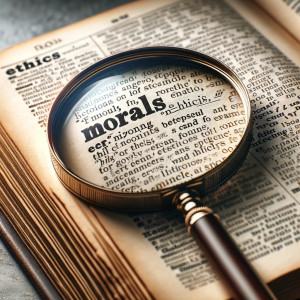
These principles are often shaped by cultural, religious, and familial influences, and they tend to be deeply ingrained in our belief systems. Think of morals as your internal compass, helping you navigate through life’s many choices and challenges.
Definition of ethics
Ethics, on the other hand, involve a set of rules or standards that govern the conduct of a particular group, profession, or society.
They are more systematic and structured than morals, and they usually provide a framework for decision-making within specific contexts. In essence, ethics are the external guidelines that help us apply our moral principles in various situations.
Key differences between morals and ethics
Now that we’ve established the basic definitions of morals and ethics, let’s highlight some key differences between the two.
First, morals are personal, while ethics are shared among a group. This means that while your morals might be unique to you, ethics are generally applicable to all members of a certain community or profession.
Another difference is that morals are often deeply rooted in our belief systems, while ethics tend to be more fluid and adaptable to changes in societal norms and expectations.
Finally, morals are concerned with right and wrong, whereas ethics focus more on the rules and standards that help us determine what’s appropriate in a given context.
So, now that we have a better understanding of what they are, let’s dive into some real-life examples and scenarios that illustrate their significance in our daily lives!

Transform Your Life with InvestInHabit

Ready for real change? Join us and get over:
- 200+ Personal Development Worksheets,
- 100+ Blog Post MindMaps
for FREE! 😍 + Our newsletter offers the latest in habit formation and self-improvement, straight to your inbox.
Subscribe now and Start redefining your mindset today! Join our community committed to success!
Examples of Good Morals and Values
Honesty and integrity
Let’s start by talking about honesty and integrity – two closely related values that play a crucial role in maintaining trust and strong relationships.
I’m sure you’ve heard the saying, “Honesty is the best policy,” and there’s a good reason for that. When we’re honest with ourselves and others, we build a foundation of trust and open communication that’s essential for healthy relationships.
Integrity, on the other hand, is all about staying true to our values, even when no one is watching.
It means doing the right thing, even when it’s difficult or unpopular. For instance, imagine you accidentally receive too much change at the store.
You could easily pocket the extra money and walk away, but if you have integrity, you’ll likely return the excess change to the cashier, knowing that it’s the right thing to do.
Having honesty and integrity as guiding morals in our lives is invaluable.
These virtues not only help us develop strong bonds with friends, family, and colleagues, but they also shape our reputation and self-esteem. In a world where dishonesty and deceit can often seem commonplace, standing firm in our commitment to honesty and integrity can truly set us apart and pave the way for a fulfilling and successful life.
Respect and empathy
Now let’s talk about respect and empathy – two essential morals that foster compassion and understanding in our interactions with others.
You’ve probably heard the golden rule, “Treat others as you would like to be treated.” At its core, this idea is all about respect and empathy, which are crucial for building strong, positive relationships.
Respect is about recognizing and valuing the worth of others, regardless of their background, beliefs, or opinions.
When we show respect, we listen attentively, communicate politely, and treat others with dignity, even if we don’t agree with their viewpoints. For example, imagine you’re in a heated discussion with a friend who has a completely different opinion on a certain topic.
Showing respect means staying calm, listening to their perspective, and avoiding personal attacks or insults.
Empathy, on the other hand, is the ability to understand and share the feelings of others.
It’s about putting ourselves in someone else’s shoes and genuinely trying to see things from their perspective. Empathy helps us connect with others on a deeper level, as we begin to grasp their emotions, struggles, and experiences.
For instance, if a coworker seems upset, practicing empathy might involve offering a listening ear and trying to understand the challenges they’re facing, rather than dismissing their feelings or offering unsolicited advice.
Cultivating respect and empathy in our lives can lead to greater compassion, more meaningful connections, and a deeper understanding of the people around us.
By embracing these values, we can create a more inclusive, supportive, and caring world for everyone.
Responsibility and accountability
Now, let’s delve into the importance of responsibility and accountability, two interrelated morals that play a vital role in our personal and professional lives.
By understanding and embracing these values, we can foster a sense of ownership and commitment to our actions and decisions.
Responsibility is about recognizing that our actions and choices have consequences, both for ourselves and for others.
It means understanding that we have a duty to uphold our commitments, whether that’s showing up to work on time, completing a task, or taking care of our loved ones. Being responsible also involves considering how our actions might impact others and striving to make choices that contribute to the greater good.
For example, if you see someone struggling to carry their groceries, taking responsibility might mean offering a helping hand, even if it’s not your job or obligation.
Accountability, on the other hand, is about owning up to our mistakes and being willing to accept the consequences of our actions.
It’s about learning from our missteps and taking steps to make amends when necessary. For instance, if you make a mistake at work, being accountable means admitting the error, apologizing to those affected, and finding a solution to fix the problem.

When we prioritize responsibility and accountability in our lives, we not only build trust with others but also cultivate a strong sense of self-esteem and self-worth.
By being reliable and owning up to our actions, we demonstrate to ourselves and others that we’re capable, dependable individuals who can rise to any challenge that comes our way. So, let’s take these values to heart and work on becoming more responsible and accountable in our everyday lives.
Courage and perseverance
As we continue to explore good morals and values, let’s focus on courage and perseverance.
These virtues are instrumental in helping us face life’s challenges and overcome obstacles with grace and determination.
Courage is the ability to confront fear, pain, or uncertainty even when it’s difficult.
It’s about standing up for what’s right, even when it’s unpopular or puts us at risk. Courage doesn’t mean being fearless; it means facing our fears and taking action despite them.
Imagine a situation where you witness someone being treated unfairly; having courage might involve speaking up for that person, even if it means going against the crowd.
Perseverance, on the other hand, is the determination to keep going despite setbacks, failures, or obstacles.
It’s about persisting in the pursuit of our goals and dreams, even when the going gets tough. For example, if you’re working towards a degree or learning a new skill, perseverance is what keeps you pushing forward even when you feel like giving up.
Developing both courage and perseverance can have a profound impact on our personal growth and overall well-being.
When we’re courageous, we’re more likely to take risks, try new things, and learn from our experiences. Perseverance, meanwhile, helps us build resilience and grit, which are essential for navigating life’s ups and downs.
So, let’s challenge ourselves to cultivate courage and perseverance in our daily lives.
By doing so, we’ll not only grow as individuals but also inspire those around us to embrace these powerful virtues as well.
Kindness and generosity

Now let’s talk about two more beautiful virtues that can enrich our lives: kindness and generosity.
These qualities not only help us form deeper connections with others but also contribute to our own sense of fulfillment and happiness.
Kindness is the act of showing genuine care, understanding, and compassion towards others.
It’s about treating people with respect and empathy, regardless of who they are or what they’ve done. Simple acts of kindness can make a world of difference in someone’s day – be it through a warm smile, a friendly word, or a helping hand.
Remember, kindness doesn’t have to be grand or extravagant; sometimes, the smallest gestures can have the most profound impact.
Generosity, meanwhile, is the willingness to give or share our resources, time, or talents with others, without expecting anything in return.
Being generous can take many forms: donating to a charity, volunteering our time to help those in need, or simply lending an ear to a friend who’s going through a tough time. The beauty of generosity is that it not only benefits the recipient but also leaves us feeling fulfilled and purposeful.
So, let’s make a conscious effort to practice kindness and generosity in our daily lives.
As we do, we’ll discover the joy that comes from making a positive impact on others and the world around us. By embracing these values, we contribute to a more compassionate and connected society, where people genuinely care for one another’s well-being.
List of Morals:
- Fairness and Justice – Treating others equally and striving for impartiality.
- Gratitude – Showing appreciation and thankfulness in daily life.
- Humility – Recognizing one’s own limitations and valuing others’ contributions.
- Patience – Demonstrating tolerance and understanding during challenging situations.
- Compassion and Caring – Showing concern for the well-being of others.
- Loyalty and Commitment – Being faithful and dedicated to relationships, causes, or beliefs.
- Self-discipline – Exercising control over one’s actions and desires.
- Forgiveness and Understanding – Letting go of grudges and showing empathy.
- Optimism and Positivity – Maintaining a hopeful and positive attitude.
- Adaptability and Flexibility – Being open to change and new ideas.
- Trustworthiness – Being reliable and deserving of others’ trust.
- Diligence and Hard Work – Showing persistence and effort in tasks.
- Prudence and Wisdom – Exercising good judgment and thoughtful decision-making.
- Altruism and Selflessness – Putting the needs of others before oneself.
- Resilience and Determination – Overcoming obstacles and not giving up easily.
- Inclusivity and Tolerance – Embracing diversity and respecting differences.
- Moral Courage – Standing up for what is right, even in the face of adversity.
- Environmental Stewardship – Caring for and protecting the environment.
- Intercultural Understanding – Respecting and valuing diverse cultural perspectives
Ethics in Action: Real-Life Scenarios
Professional ethics in the workplace
Let’s shift our focus now to the practical side of things and explore how ethics play a crucial role in our professional lives.
In the workplace, ethical behavior is essential for fostering trust, collaboration, and a positive work environment. It’s not just about abiding by the company’s policies or the law but also about treating colleagues, clients, and stakeholders with respect and fairness.
Imagine you’re in a situation where your boss asks you to manipulate data to make the company’s performance look better than it actually is.
What would you do? This is where your personal ethics come into play.
You might decide to speak up and express your concerns, or you might feel compelled to comply due to fear of repercussions. By understanding and embracing ethical principles, you’ll be better equipped to navigate such challenging situations and make decisions that align with your values.
Another example could be when you notice a coworker taking credit for someone else’s work.
Here, your sense of ethics might prompt you to support the colleague whose work has been unfairly appropriated, or perhaps address the issue with your manager. In both cases, acting ethically helps create a workplace culture that values honesty, respect, and fairness.
So, as you go about your professional life, keep in mind the importance of adhering to ethical principles.
By doing so, you’ll not only contribute to a positive work environment but also develop a strong reputation for integrity and trustworthiness, which can open doors to new opportunities and personal growth.
Medical ethics and patient care
Now, let’s dive into another area where ethics play a pivotal role – the field of healthcare.
Medical ethics is a set of principles that guide healthcare professionals in their interactions with patients and their decision-making processes. It’s an essential aspect of patient care because it helps ensure that patients receive treatment that is both respectful and aligned with their best interests.
Think about the concept of informed consent.
This is a key ethical principle in medicine that emphasizes the importance of providing patients with clear, accurate information about their diagnosis, treatment options, and potential risks. As a patient, you would want to be well-informed before making any decisions about your healthcare, right?
By upholding the principle of informed consent, healthcare professionals ensure that patients can make knowledgeable choices that are in line with their personal values and preferences.
Another critical aspect of medical ethics is maintaining patient confidentiality.

We all value our privacy, and when it comes to our health, it’s crucial to trust that our personal information will be kept confidential. Healthcare professionals must adhere to strict guidelines to protect patient privacy, which in turn helps build trust between patients and their providers.
So, whether you’re a healthcare professional or a patient, understanding the importance of medical ethics can help foster a more compassionate, respectful, and effective healthcare experience for everyone involved.
By prioritizing ethical principles in patient care, we can create an environment where individuals feel heard, respected, and empowered in their healthcare journey.
Environmental ethics and sustainable living
Let’s now turn our attention to the environment.
Environmental ethics is an area that focuses on our moral relationship with the natural world and how our actions impact the planet. Sustainable living, which involves making choices that minimize our negative impact on the environment, is a direct application of these ethical principles.
You might be wondering, “How does this relate to my everyday life?” Well, think about the choices you make when you go shopping.
Do you opt for single-use plastics, or do you bring reusable bags? Do you buy products that are sourced sustainably and ethically, or do you prioritize the cheapest option without considering the environmental impact?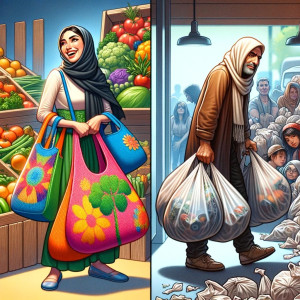
By being conscious of these decisions, you can contribute to a more sustainable future for our planet.
Another example of environmental ethics in action is the choice to conserve energy and water.
Simple steps like turning off lights when you leave a room, using energy-efficient appliances, or being mindful of your water usage can make a significant difference in reducing your ecological footprint. It’s not just about saving money on your utility bills; it’s about making responsible choices that benefit the environment and future generations.
So, next time you’re faced with an everyday decision that affects the environment, remember that it’s an opportunity to put your ethical principles into action.
By embracing sustainable living, you’re not only doing your part to protect the planet but also fostering a more responsible and conscious mindset that can inspire others to do the same.
Digital ethics and responsible technology use
In our ever-evolving digital world, it’s essential to consider the ethical implications of our technology use.
Digital ethics is a field that examines the moral values, principles, and guidelines that govern our online interactions and digital decision-making. By being aware of these principles, you can ensure that you’re using technology responsibly and respectfully.
One aspect of digital ethics that you might be familiar with is privacy.
With so much of our lives happening online, it’s crucial to protect your personal information and respect the privacy of others. For example, think about how you share content on social media.
Are you mindful of the potential consequences of your posts? Do you respect the privacy settings of your friends and connections?
By being thoughtful in your online interactions, you’re contributing to a safer and more respectful digital space.
Another area where digital ethics plays a vital role is in combating cyberbullying and harassment.
If you’ve ever experienced or witnessed someone being targeted online, you know how hurtful and damaging it can be. As a responsible digital citizen, it’s up to you to stand up against these behaviors and report instances of abuse when you see them.
Remember, empathy and kindness should extend to our online interactions just as much as they do in person.
Lastly, let’s consider the ethical use of technology in the context of intellectual property.
With so much content readily available online, it’s easy to forget that someone put time and effort into creating it. Whether it’s crediting the original source of an image, respecting copyright laws, or acknowledging the work of others, being ethically conscious in the digital sphere can go a long way in promoting a more respectful online environment.
So, as you navigate the digital world, remember to keep digital ethics in mind.
By using technology responsibly and promoting respectful online interactions, you can make a positive impact on both your personal growth and the digital community at large.
Conclusion
As we’ve explored throughout this blog post, understanding morals and ethics plays a crucial role in our personal growth.
When we align our actions and decisions with our core values, we’re not only cultivating our own well-being but also positively impacting the world around us. This journey towards greater moral and ethical awareness can lead to increased self-esteem, stronger relationships, and a more meaningful life.
So, I encourage you to take these examples of good morals and values and apply them to your own life.
Whether it’s being honest and accountable, showing kindness and generosity, or making responsible choices in your professional and personal life, there are countless ways to put these principles into action. Remember, it’s the small, everyday choices that ultimately shape our character and determine the kind of person we become.
Let’s continue learning and discovering more about ourselves and the world around us.
Embrace the journey of personal growth and remain open to the lessons that come with it. The more we understand and apply moral and ethical principles in our lives, the more we’ll be able to create positive change for ourselves, our loved ones, and society as a whole.
Together, we can work towards a more just, compassionate, and ethical world—one step at a time.
Transform Your Habits, Transform Your Life
Are you ready to turn the page to a new chapter in your life?
Stop dreaming, start achieving. Our exclusive newsletter delivers:
- Science-backed hacks: Master the psychology of habit formation used by CEOs and Olympians.
- Actionable strategies: No fluff, just practical steps to crush procrastination and dominate your goals.
- + a FREE surprise bonus 🎁 to jumpstart your transformation!
Don’t settle for mediocre. Subscribe now!