

Personal development has become a essential for individuals who aim to improve their lives, achieve their objectives, and unleash their maximum potential in this fast-paced world we live in today.
Personal development is a lifelong process that involves building self-awareness, cultivating positive habits, enhancing skills, and fostering a growth mindset. Engaging in personal development allows individuals to take charge of their lives, overcome obstacles, and ultimately, find greater fulfillment and happiness.

However, the journey of personal development is not without its challenges.
As you embark on this transformative path, you may inadvertently encounter numerous traps that can hinder your progress, cause setbacks, or even lead to self-sabotage. These traps can come in various forms, such as limiting beliefs, unhelpful habits, or external influences that prevent you from realizing your true potential.
This article about personal development aims to provide a comprehensive guide to the 50 personal development traps that you may face during your self-improvement journey.
By becoming aware of these traps, you can learn to recognize them, avoid falling into them, and develop effective strategies to overcome them when necessary. Our goal is to empower you with the knowledge and tools needed to navigate your personal development journey with confidence and resilience.
In the following chapters, we will delve into each of the 50 traps, exploring their origins, manifestations, and impact on personal growth.
Alongside each trap, we will offer actionable tips, techniques, and insights to help you break free from these obstacles and continue your journey towards a better, more fulfilling life.
The purpose of this blog post is to illuminate the potential pitfalls on your path to self-actualization.
With this awareness, you will be better equipped to face challenges head-on and embrace the growth and transformation that lie ahead. So, let’s embark on this journey together, uncovering the personal development traps that may be holding you back and embracing the potential for true and lasting change.
Inside this Article
Chapter 1: Understanding Personal Development Traps
As we explore these personal development traps, we’ll provide you with the knowledge and tools to identify, understand, and ultimately overcome them. Let’s begin by delving into what personal development traps are and why they form.
Defining Personal Development Traps
Personal development traps are obstacles that hinder our progress and prevent us from reaching our full potential. They can manifest as self-limiting beliefs, unhelpful habits, or external influences that derail our growth, often without our awareness.
How and Why Personal Development Traps are Formed
Personal development traps stem from past experiences and learned behaviors that become deeply ingrained in our minds.
 These patterns may have served a purpose at some point in our lives, perhaps providing a sense of safety or comfort.
However, as we strive to grow and change, these patterns can become obstacles that limit our potential and keep us stuck in a cycle of self-sabotage.
For example, a person who was constantly criticized as a child may develop a negative self-image and a fear of failure.
As an adult, this person may struggle to take risks or pursue new opportunities, fearing that they are not good enough or that they will be judged harshly by others. This self-limiting belief becomes a personal development trap that keeps them from realizing their full potential.
The Role of Mindset and Beliefs in Personal Development Traps
Our mindset and beliefs play a crucial role in the formation and maintenance of personal development traps.
A fixed mindset, where we believe that our abilities and traits are set in stone, can make it difficult to recognize and overcome these traps. In contrast, a growth mindset encourages us to view challenges and setbacks as opportunities to learn and grow, making it easier to break free from unhelpful patterns and beliefs.
By becoming aware of the limiting beliefs and mindsets that contribute to your personal development traps, you can begin to challenge and change them.
This process requires self-reflection, honesty, and a willingness to confront the parts of yourself that you may have been avoiding or suppressing. In the upcoming chapters, we’ll explore each of the 50 personal development traps in detail, helping you to understand their origins, manifestations, and impact on your growth.
As we uncover these traps, we’ll provide you with practical tips and strategies for overcoming them and continuing on your path to self-improvement.
By understanding and addressing personal development traps, you’ll be better equipped to embrace the growth and transformation that lie ahead. So let’s dive in and begin to untangle the web of personal development traps that may be holding you back!

The Trap of Expecting Quick Results
In a society that values instant gratification and overnight success, it’s important to recognize that true personal growth requires consistent effort, patience, and a long-term perspective.
Expecting rapid progress often leads to disappointment and giving up in the face of challenges.
At first, the path to personal growth may seem unclear and challenging. It’s important to set realistic expectations and understand that meaningful progress takes time. To truly play the game at a higher level, you must deeply explore issues and address them at their root.
This requires taking massive action and being prepared for failures along the way. It may take years or even decades, but the journey is worth it in the end.
Real-Life Examples
- Business: Get-rich-quick schemes may seem appealing, but they rarely lead to lasting success or fulfillment. Instead of exploiting shortcuts, focus on building a sustainable business that provides value and aligns with your values.
- Health: Relying on a single product or treatment to solve all your health problems is unrealistic. Instead, cultivate a holistic approach to wellness that encompasses nutrition, exercise, stress management, and mental health.
- Fitness: Abandoning a workout regimen after just three months because you haven’t achieved your desired results sets you up for failure. Embrace fitness as a lifestyle, and celebrate the incremental progress you make along the way.

From Quick Fixes to Lasting Progress: A Fitness Journey Story
In my own journey, I once fell into the trap of seeking quick results, especially in the realm of fitness.
I tried various workout programs, expecting to see dramatic changes within weeks. However, it wasn’t until I shifted my mindset and committed to a long-term fitness journey that I began to see lasting, meaningful progress.
When I first started going to the gym, I was also eating the same meal every day – rice with chicken breasts.
It was incredibly boring and unappetizing, so it’s no wonder that I gave up after a short time. But, I soon realized that I needed to focus on changing my lifestyle and learning how to cook healthier, more varied meals.
By making small changes to my daily habits, such as meal prepping and trying new recipes, I was able to sustain a healthy diet and see real progress in my fitness journey.
I learned that it’s not about seeking immediate results or shortcuts, but rather committing to a sustainable, long-term approach to health and wellness.
Quotes and Insights from Experts
The journey of personal growth is not a sprint, but a marathon. Don’t fall into the trap of expecting quick results. ~ Robin Sharma
The problem with expecting quick results is that it can cause us to overlook the small, incremental progress we’re making each day. ~ James Clear
Success is not final, failure is not fatal: It is the courage to continue that counts. ~ Winston Churchill
There is no elevator to success. You have to take the stairs.
~ Zig Ziglar
Case Studies
Consider the story of Leo, who struggled with weight loss for years. He tried numerous fad diets, hoping for rapid results, but inevitably regained the weight. When Leo finally embraced a balanced, long-term approach to nutrition and exercise, he not only achieved his weight loss goals but also improved his overall health and well-being.
Tips for Self-Reflection
1.Reflect on areas of your life where you may be seeking quick results. What are the underlying beliefs or expectations driving this mindset?
2.Identify specific ways you can cultivate patience and a long-term perspective in these areas.
Recommended Resources


The Comparison Trap
When we constantly compare ourselves to others, we risk overlooking our unique strengths and abilities. This can lead to feelings of inadequacy, jealousy, and self-doubt.
By focusing on our authentic selves and embracing our personality, we can free ourselves from the comparison trap and nurture our personal development.
Actionable Insights
- Reflect on your values, passions, and strengths to find your authentic self. List them out and find ways to integrate them into your daily life. For example, if you value creativity, make time for a creative hobby or project each week.
- Pay attention to how comparison affects your thoughts and feelings. Notice when you are making comparisons and if they are causing harm. Practice letting go of harmful comparisons by reminding yourself of your unique strengths and qualities.
- Instead of comparing yourself to ideals, set realistic goals for yourself. Identify where you are now and where you want to be. Break down the actions needed to achieve those goals and create a plan. Trust that the process will lead you to the outcome you desire.
- Focus on developing self-love and acceptance by reminding yourself of your inherent worth. Practice self-care activities that make you feel good, like taking a relaxing bath or going for a walk in nature.
- Embrace diversity by seeking out different perspectives and experiences. Understand that humans are complex creatures with diverse backgrounds, experiences, and influences. Embrace these differences and avoid making unfair comparisons. Practice empathy and try to understand others’ viewpoints.
- Recognize that your sense of self-worth should come from within, not from external validation. Focus on your achievements and qualities, rather than seeking approval or validation from others.
- Appreciate your body for what it can do, not just how it looks. Practice gratitude for your body by focusing on its abilities and strengths, and treat it with care and respect.
- Prioritize personal growth over competition. Set goals for yourself that align with your values and passions, and enjoy the process of achieving them without comparing yourself to others.
My Story: Overcoming the Comparison Trap and Embracing My Own Path to Success
There was a time in my life when I was constantly measuring my career success against that of my peers.
It seemed like everyone around me was achieving more, climbing the corporate ladder faster, and enjoying greater levels of success. This constant comparison left me feeling inadequate, as if I was falling behind and failing to meet the high standards I had set for myself.
My happiness and self-worth were tied to how well I was doing compared to others, and it was an exhausting and discouraging cycle.
One day, after a particularly disheartening encounter with a highly successful friend, I decided that enough was enough.
I needed to change my perspective and stop basing my happiness and self-esteem on how my career stacked up against others. It was time to focus on my unique skills, talents, and passions, and to seek out a career path that aligned with my authentic self.
I began by reflecting on what truly mattered to me, what I enjoyed doing, and where my strengths lay. I realized that I had been pursuing career goals that didn’t necessarily align with my true interests or values.
I had been chasing external validation and success, rather than focusing on my personal growth and development.
With this newfound clarity, I started exploring different career options that better aligned with my passions and values.
I engaged in activities that I genuinely enjoyed and found fulfilling, rather than merely trying to keep up with my peers. This process allowed me to discover a more meaningful and fulfilling career path that was more in tune with who I truly was.
As I embarked on this new journey, I began to experience a sense of contentment and satisfaction that had previously eluded me. I no longer felt the need to compare myself to others or to seek validation through external achievements.
My happiness and self-worth were now rooted in my own growth, development, and alignment with my authentic self.
This personal transformation taught me a valuable lesson: happiness and fulfillment come from within.
By focusing on our unique skills, passions, and values, and pursuing a career path that aligns with our authentic selves, we can create a life that is truly satisfying and rewarding.  The key is to let go of the constant comparison and to embrace our own journey, celebrating our unique gifts we have to offer the world.
Comparison is the thief of joy. ~ Theodore Roosevelt
Don’t compare your beginning to someone else’s middle or your middle to someone else’s end.
~ Tim Hiller
Comparing yourself to others is a recipe for misery. The only person you should compare yourself to is the person you were yesterday.
~ Jordan B. Peterson
Comparison with myself brings improvement, comparison with others brings discontent.
~Betty Jamie Chung, Chinese author
Overcoming the comparison trap requires a shift in mindset. You need to focus on what you have, rather than what you lack, and learn to appreciate and celebrate your own accomplishments.
~ Tony Robbins
Overcoming the comparison trap requires a deep sense of self-awareness. You need to understand your own values and priorities, and learn to make decisions based on what’s important to you, rather than what others are doing.
~Simon Sinek
Other people’s lives seem better than yours because you’re comparing their director’s cuts with your behind the scenes. ― Evan Rauch
Consider the story of Sarah, who constantly compared her fitness progress to her friends on social media. This comparison left her feeling discouraged and demotivated.
When she decided to focus on her personal goals and celebrate her own achievements, Sarah found renewed motivation and joy in her fitness journey.
Tips for Self-Reflection
- Reflect on areas of your life where comparison is hindering your growth. How can you shift your focus toward your authentic self?
- Identify specific strategies for cultivating self-love and self-acceptance in your daily life.


Not Embracing Your Authentic Self
The journey of personal development is not about “fixing” yourself, but rather about discovering and nurturing your true self.
Many people approach personal development with the mindset that they are broken or lacking, seeking to fill a perceived gap in themselves.
However, true personal growth comes from discovering and embracing your authentic self, recognizing your inherent worth and uniqueness.
Actionable Insights
- Shift your mindset from seeking improvement to self-discovery. Focus on uncovering your true self and cultivating your inherent strengths.
- Practice self-compassion and acknowledge your imperfections as part of your authentic self.
- Foster self-awareness by regularly reflecting on your thoughts, feelings, and actions. Recognize patterns that may be masking your true self.
- Cultivate a growth mindset, embracing challenges and setbacks as opportunities for growth and self-discovery.
- Surround yourself with supportive and authentic people who encourage you to be yourself.
Embracing Your Authentic Self: A Journey to Fulfillment
I have a story of my own that illustrates the importance of being true to oneself.
I used to be consumed with the idea of becoming the person I thought I should be, rather than focusing on who I truly was. I was trying to fit into a mold that didn’t fit me and neglected my true passions and interests, which left me feeling unfulfilled and unhappy.
One day, while attending a personal development webinar, I had the pleasure of hearing Peter Voogd speak.
He shared a thought-provoking message that resonated deeply with me – he said that it’s not about personal development, it’s about knowing yourself. His words shifted my perspective, and I began to spend a lot of time figuring out my values, passions, and personality.
This journey of self-discovery allowed me to embrace my authentic self and find genuine fulfillment and happiness.
Through this experience, I learned the importance of being true to oneself and not getting
caught up in comparing oneself to others or trying to fit into a mold.
When we focus on who we are and what we truly want, we open ourselves up to a world of possibilities and can live a life that is authentic and fulfilling.
Your time is limited, don’t waste it living someone else’s life. ~ Steve Jobs
Authenticity is the daily practice of letting go of who we think we’re supposed to be and embracing who we are.
~Brené Brown
Think of Maria, who spent years pursuing a career she felt would make her parents proud, only to find herself unhappy and unfulfilled. When Maria finally embraced her passion for art and started her own business, she discovered a newfound sense of purpose and joy.
Tips for Self-Reflection
- Reflect on areas of your life where you may be prioritizing improvement over self-discovery. How can you shift your focus toward embracing your authentic self?
- Identify specific practices or habits that can help you cultivate self-awareness and self-compassion.
In conclusion, embracing your authentic self is crucial to experiencing genuine personal growth and fulfillment.
By shifting your focus from improvement to self-discovery, you can uncover your unique strengths and passions, paving the way for a more satisfying and purposeful life.

The Trap of Perfectionism
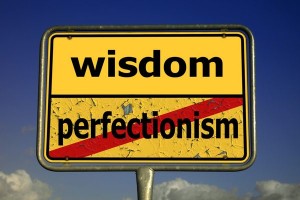
The pursuit of perfection can be a significant roadblock to personal growth, leading to procrastination and a fear of taking action.
Perfectionism can create a false sense of security and control, but in reality, it hinders progress and stifles creativity.
By focusing on being perfect, we often postpone taking action, which can lead to laziness and inaction. Embracing uncertainty and accepting imperfection is crucial for personal growth and success.
Actionable Insights
- Recognize and accept your weaknesses and imperfections. Understand that nobody is perfect, and it is through our flaws that we learn and grow.
- Adopt a mindset of continuous improvement. Focus on progress rather than perfection, understanding that mistakes are valuable learning opportunities.
- Practice making decisions with 40-70% information, trusting your intuition to guide you through the remaining uncertainty.
- Take action when you have 70% confidence in the success of a decision, rather than waiting for absolute certainty.
- Focus on doing your best and accepting the outcome, knowing that you can learn and grow from every experience.
In the past, I struggled with perfectionism, constantly seeking the “perfect” moment to start a project or make a decision.

I would spend hours researching and analyzing every detail before taking any action. However, I soon realized that this approach was actually holding me back from achieving my goals.
Now, I try to catch myself when I’m playing the perfectionist and just snap out of it.
Instead of waiting for the perfect moment or outcome, I focus on staying consistent and taking imperfect action. I’ve learned that embracing uncertainty and being willing to make mistakes is a crucial part of growth and achieving success.
Quotes and Insights from Experts
Perfectionism is not the same thing as striving to be our best. Perfectionism is not about healthy achievement and growth. ~ Brené Brown
Strive for continuous improvement, instead of perfection.
~ Kim Collins
Understanding the difference between healthy striving and perfectionism is critical to laying down the shield and picking up your life. Research shows that perfectionism hampers success. In fact, it’s often the path to depression, anxiety, addiction, and life paralysis.
~ Brené Brown
Learning to give up on perfection may be just about the most romantic move any of us could make.
~ Alain de Botton
Consider John, a talented artist who never shared his work because he was afraid it wasn’t perfect.
Once John decided to let go of perfectionism and started sharing his art, he received an overwhelming positive response and even sold several pieces.
Tips for Self-Reflection
- Reflect on areas of your life where perfectionism may be holding you back. How can you embrace uncertainty and take action, despite imperfection?
- Identify specific strategies for focusing on progress and continuous improvement, rather than perfection.
Recommended Resources
- Book: “The Gifts of Imperfection” by Brené Brown
Hoarding information without implementing it
It’s easy to fall into the trap of consuming vast amounts of information without taking action.
Information overload can lead to analysis paralysis, preventing us from making progress on our personal development journey.
To see real growth, it’s essential to step outside our comfort zone and apply what we’ve learned.
Actionable Insights
- Develop a routine and strategy for consuming information. Set aside dedicated time for learning, such as reading for 30 minutes each evening.
- If you’re new to personal development, focus on building foundational habits like meditation, exercise, and reading.
- Set a specific period for information gathering, followed by a period of action. For example, spend a month learning and noting action steps, then spend the next month implementing what you’ve learned.
- Learn to balance theory and action. While consuming information on one topic, take action in another area of your life.
- Be strategic about what and how much you’ll implement. Prioritize the most important action steps and pace yourself to avoid burnout.
How Embracing Imperfection and Validated Learning Transformed My Personal Growth Journey
I used to spend hours consuming self-help books, podcasts, and seminars, thinking that I was making progress on my personal development journey. I was always seeking new information, believing that it would bring me closer to my goals.
However, after years of struggling to see real growth, I came to a realization. I was consuming too much information without actually putting any of it into action.
I was a chronic overthinker. I would spend hours researching and analyzing, trying to make sure I had every piece of information before making a decision.
But the truth was, I was just delaying action and holding myself back.
As an intellectual person, I loved learning and was always hungry for more knowledge. But I finally recognized the futility of this approach. I knew that I needed to start taking consistent action if I wanted to see real progress.
My turning point came when I reached out to a mentor for advice. He introduced me to the concept of validated learning, which emphasizes the importance of learning only about things that are relevant to your next steps.
With this concept, I was able to focus on taking action and learning from the outcomes.
I learned to be more intentional with my learning and to apply what I learned to my daily life.
This shift in mindset allowed me to see real growth and progress in my personal development journey, as I moved from simply consuming information to taking consistent action towards my goals.
Quotes and Insights from Experts
Information overload occurs when the amount of input to a system exceeds its processing capacity. Decision makers have fairly limited cognitive processing capacity. Consequently, when information overload occurs, it is likely that a reduction in decision quality will occur.~ Bertram Gross, (“The Managing of Organizations”, 1964)
Tips for Self-Reflection
- Reflect on areas where you may be hoarding information without taking action. What steps can you take to strike a better balance between learning and doing?
- Identify specific action steps from the information you’ve consumed recently. Prioritize these steps and create a plan to implement them in your life.
Recommended Resources
- Book: “The One Thing” by Gary Keller and Jay Papasan

Trying to change too much, too fast.
It’s common for people to want to overhaul their lives and build multiple new habits simultaneously. However, this approach can be overwhelming and ultimately counterproductive.
Trying to change too much, too fast can lead to burnout, frustration, and a lack of progress. By focusing on a few key habits at a time and making gradual improvements, you can build a strong foundation for lasting personal growth.
Actionable Insights
- Choose one or two habits to work on at a time. Once you’ve successfully established these habits, move on to the next ones.
- Break your goals down into small, manageable steps. This will make the process of change feel more achievable and less daunting.
- Be patient with yourself. Recognize that lasting change takes time, and progress may be slower than you’d like.
- Celebrate small victories along the way. Acknowledging your progress can help maintain motivation and momentum.
My Journey
My journey to personal growth began when I decided to revamp my morning routine, eagerly taking on multiple challenges at once. I had a vision: if I could cram a bunch of new habits into my mornings, I’d be more productive and successful. But, as you can probably guess, that didn’t go as planned.
Within a week, I was completely overwhelmed. It turns out that trying to change everything all at once was like juggling flaming torches while riding a unicycle, and it became obvious that I couldn’t keep up with all these new habits.
As the saying goes, “When one door closes, another opens.” So, after this eye-opening experience, I started focusing on one habit at a time. I picked the changes that would have the most impact on my life and tackled them one by one. Meditation or exercise, for instance, became my priority.
This new approach turned out to be a game-changer. I built momentum and confidence in my ability to create lasting change, and you know what? It worked! By taking things one step at a time, I finally managed to create a morning routine that made me feel great.
So, what did I learn from all of this? It’s all about being patient with yourself and embracing sustainable progress, rather than biting off more than you can chew. You see, small steps can lead to big changes, and by focusing on one habit at a time, we can create lasting transformations in our lives.
In the end, my journey taught me that prioritizing and taking things one step at a time is the key to sustainable change. It’s like building a beautiful mosaic piece by piece – and with patience and persistence, we can create a masterpiece.
Quotes and Insights from Experts
Small changes eventually add up to huge results.
~ Unknown
Do not despise the day of small beginnings.
~ Zechariah 4:10
Change is hard, and trying to do too much too fast can make it even harder. Take small steps, celebrate your progress, and stay focused on your why.
~ Mel Robbins
It’s important to recognize that change is a process, not an event. Slow and steady progress is often more sustainable and effective than trying to make drastic changes all at once. ~ Kelly McGonigal, health psychologist

Tips for Self-Reflection
- Reflect on any areas where you may be trying to change too much too fast. How can you break your goals down into smaller, more manageable steps?
- Are there any habits you’re currently working on that could be put on hold while you focus on more pressing priorities?
By pacing yourself and focusing on one or two habits at a time, you can create a strong foundation for ongoing growth and success.
Being a consumer without creating anything.
Personal growth involves embracing our innate ability to create and contribute to the world.
The ultimate goal of personal development is to become a powerful creator who contributes to the world. By shifting from a consumer mindset to a creator mindset, you’ll not only enrich your own life but also positively impact the lives of others.
Actionable Insights
- Identify your passions and interests. Consider how you can use these to create something unique and meaningful.
- Set aside dedicated time each day or week to focus on your creative pursuits.
- Share your creations with others, whether it’s through social media, a blog, or in-person events.
- Collaborate with like-minded individuals to enhance your creative projects and expand your reach.

Lessons Learned
When I first started my personal development journey, I eagerly consumed countless books, articles, and videos. I was like a sponge, absorbing every bit of wisdom I could find. While all this learning was invaluable, I discovered that true growth and the power of creation began to unfold when I started writing and sharing my own insights.
As I delved deeper into the world of personal development, I realized that learning from others was just one part of the equation. It was time to transition from a passive consumer to an active creator.
That’s when I decided to share my knowledge and experiences through writing, teaching, and engaging with others.
This new phase of my journey was like opening a treasure chest of personal growth. Researching various topics and organizing my thoughts in writing helped solidify my understanding and gain new perspectives. When I shared my insights, the feedback and discussions with others provided me with even more learning opportunities.
But the magic didn’t stop there. As I continued to write and teach, I discovered the powerful concept of learning by teaching. It’s like a beautiful dance between giving and receiving. By sharing my knowledge and helping others, I was also reinforcing my own understanding and gaining new insights.
Furthermore, the process of researching and writing served as an excellent way to deepen my knowledge on various subjects. It pushed me to question my beliefs, explore different viewpoints, and ultimately become more well-rounded in my understanding of personal development.
In conclusion, my personal development journey has taught me that learning and growth don’t stop with consumption. It’s the act of creating, sharing, teaching, researching, and writing that fosters true transformation and brings the power of creation to life.
 Quotes and Insights from Experts
The desire to create is one of the deepest yearnings of the human soul.
~ Dieter F. Uchtdorf
Don’t be a consumer, be a creator. Find your passion and use it to make the world a better place. ~ Anonymous
Tips for Self-Reflection
- Reflect on areas of your life where you might be primarily consuming rather than creating. How can you shift your focus to become more of a creator?
- What passions, skills, or interests can you tap into to create something new and meaningful?
Recommended Resources
- Book: “The War of Art” by Steven Pressfield
In conclusion, becoming a powerful creator is an essential aspect of personal development. By embracing your passions, interests, and unique talents, you can create meaningful change in your own life and in the world around you.
Using negative motivation for personal development.
Negative motivation, driven by feelings of inadequacy and external pressure, can lead to short-term progress but hinders long-term growth and well-being.
In contrast, positive motivation encourages self-love, inner peace, lasting change, compassionate inner dialogue, and fosters a sense of community.
Recognizing our innate completeness and shifting towards positive motivations can cultivate a more fulfilling and sustainable personal development journey.
Recognizing that we are complete at our core is essential for personal growth.
Changing our behavior stems from this eternal, unchangeable core of our soul. We are perfect, but our behavior is not.
This powerful recontextualization can transform our approach to self-improvement. Meditation is one of the best habits to help us realize our true nature.
As we grow, we gradually shift from negative motivations to positive ones.
Positive motivations encompass aspects such as passion, desire, and challenge, which encourage sustainable personal development. By embracing our innate completeness and focusing on positive motivations, we can create a more fulfilling and lasting personal development journey.
Actionable Insights
- Practice self-awareness to identify when negative motivation is driving your personal growth efforts.
- Cultivate self-compassion and remind yourself that you are intrinsically whole and complete.
- Focus on your passions, desires, and personal values to fuel your personal development journey.
- Incorporate meditation and mindfulness practices into your daily routine to foster a deeper connection with your true self.
Case Studies
You know, there’s this story about John, a high-performing executive who was always hustling to achieve more, all because he felt inadequate deep down inside.
One day, John took a leap of faith and attended a mindfulness retreat. There, he had an “aha” moment where he realized that he was already complete at his core, just like everyone else!
This life-changing revelation shifted his motivation from seeking external validation to focusing on personal growth and a genuine passion for his work.
The results were incredible! John began to feel more fulfilled, and his life became way more balanced. It just goes to show that when we embrace our innate completeness and let go of those pesky negative motivations, we can truly transform our lives for the better.

Tips for Self-Reflection
- Reflect on your personal development journey so far. What types of motivation have driven your actions and decisions?
- Consider how shifting to positive motivations, such as passion or personal values, might change your approach to personal growth.
Not transcending the ego.
While building a healthy and functional ego is an essential step in personal development, true fulfillment and happiness come from transcending it.
In the early stages of personal development, it’s necessary to build a strong ego to establish a solid foundation for growth.
However, to achieve lasting fulfillment and happiness, we must eventually transcend our ego-driven selves. As illustrated in Maslow’s hierarchy of needs, self-transcendence is the highest level of personal growth and the key to unlocking profound satisfaction.
Actionable Insights
- Cultivate a consistent meditation practice to become more aware of your ego and its influence on your thoughts and behaviors.

Transcending the ego is a natural part of the evolution of consciousness, an inevitable unfolding of human potential.
~ Deepak Chopra
Ego says, ‘Once everything falls into place, I’ll feel peace.’ Spirit says, ‘Find your peace, and then everything will fall into place.’ ~Marianne Williamson
Tips for Self-Reflection
- Reflect on your personal development journey and consider whether you’ve focused primarily on building your ego or transcending it.
- Identify areas in your life where your ego may be holding you back from experiencing deeper fulfillment and happiness.
Allowing emotions to direct our decisions.

While deep intuitive emotions can guide us in our personal growth journey, superficial emotions may lead us astray.
Deep intuitive emotions give us key insights into our genuine desires and needs, stemming from our inner core and reflecting our most profound values, beliefs, and experiences. They can guide us in making decisions that align with our true selves.
Superficial emotions like anger or resentment can cloud our judgment and stem from external factors or temporary situations, hindering rational decision-making.
Learning to differentiate between these two types of emotions is essential for making sound choices in our personal development journey.
Actionable Strategies
- Develop a regular mindfulness or meditation practice to become more aware of your emotional state and better understand the source of your emotions and how they’re affecting your behavior.
- When faced with an emotionally charged decision, take a step back and consider the bigger picture. Ask yourself if your emotions are truly aligned with your long-term goals and values.
- Cultivate emotional intelligence by learning to recognize, understand, and manage your emotions and the emotions of others.
Don’t make permanent decisions based on temporary emotions. ~ Unknown
Never let your emotions overpower your intelligence.
Tips for Self-Reflection
- Reflect on past decisions that were influenced by emotions. Consider the outcomes and whether they aligned with your long-term goals and values.
- Assess your current emotional intelligence and identify areas for improvement.
Recommended Resources
- Book: “Emotional Intelligence 2.0” by Travis Bradberry and Jean Greaves
Looking for happiness in the future
Chapter 11 explores the trap of looking for happiness in the future, which paradoxically pushes us further away from true happiness. Instead, we need to focus on the present moment and cultivate a sense of fulfillment through activities that bring joy and meaning to our lives.
Pleasure is often short-lived and tied to external factors, whereas fulfillment is a deeper, more lasting sense of happiness that comes from personal growth, meaningful experiences, and being present in the moment.
Actionable Strategies
- Identify activities that bring you joy and fulfillment in the present moment, and incorporate them into your daily life.
- Practice gratitude, kindness, and creativity to foster a sense of well-being and contentment.
- Focus on personal development and growth, rather than seeking happiness through material possessions or external achievements.
I used to chase happiness by setting goals and acquiring material possessions, only to realize that true happiness was not found in these things. Instead, I learned to find happiness by being present and engaging in activities that brought joy and fulfillment.
Happiness is not something you postpone for the future; it is something you design for the present. ~ Jim Rohn
True happiness is…to enjoy the present, without anxious dependence upon the future.
~ Lucius Annaeus Seneca
Tips for Self-Reflection
- Reflect on moments when you have experienced true happiness. What activities or experiences were you engaged in at the time?
- Identify any external factors you may be relying on for happiness, and consider how you can shift your focus to internal growth and fulfillment.
Recommended Resources
- Book: “The Power of Now” by Eckhart Tolle
In conclusion, true happiness is found in the present moment, not in external achievements or possessions. When you look back at your life, you will find that the happiest moments were those when you were just being, not doing – like looking at a beautiful sunset.
By cultivating mindfulness, gratitude, kindness, and creativity, we can foster a deeper sense of fulfillment and lasting happiness.

Trying to change people.
Instead of attempting to control or change those around us, we should focus on inspiring them through our own positive example.
Each person has their own unique values and beliefs, which may not always align with our own. It is crucial to respect and accept these differences, rather than trying to force our personal development journey onto others.
Actionable Strategies
- Practice active listening and empathy when engaging with others. This will help you better understand their perspective and values.
- Share your personal development journey and insights with others, but always ask if they are interested before doing so.
- Focus on self-improvement and personal growth, and let your actions speak louder than words to inspire others.
I remember when I first discovered personal development, I was eager to share my newfound knowledge with everyone around me. However, I soon realized that not everyone shared my enthusiasm or interest. I learned to respect their individuality and focus on leading by example.
Be the change that you wish to see in the world.
~ Mahatma Gandhi
Example is not the main thing in influencing others. It is the only thing. ~ Albert Schweitzer
Tips for Self-Reflection
- Reflect on the ways you may have tried to change others in the past. How did those attempts affect your relationships?
- Identify areas of your life where you can lead by example, inspiring others through your actions and personal growth.
Relying on a rigid set of rules to guide your actions
Instead of relying on a rigid set of rules to guide our actions, we should focus on fostering a deeper connection with ourselves.
Moralizing and strictly adhering to a set of rules can limit our personal growth and hinder our ability to navigate complex situations. True morality requires an understanding of our inner values and the ability to make conscious decisions based on them.
Stop expecting that you will behave automatically after a set of rules. To develop true morality, you need to develop your consciousness and connection to your True self. This is an active non-mechanical process.
Your current moral framework (what you consider right or wrong, good or evil) may be counterproductive, stunting your growth and psychological wellbeing and limiting your self-actualization potential.
Actionable Strategies
- Acknowledge that rules and expectations frequently stem from ego and fear, and may not align with reality. Remain open to challenging these rules and expectations.
- Develop self-awareness by engaging in introspection, journaling, and meditation.
- Contemplate your fundamental values and consider how they impact your decision-making.
- Practice empathy and compassion towards others, understanding that everyone has their own unique moral compass.
- Accept the light and dark parts of yourself, integrating your ego and shadow, which allows you to act naturally and spontaneously.
- Embrace reality as it is, without trying to impose your beliefs or expectations on it. This will help you let go of judgment and develop true compassion.
Tips for Self-Reflection
- Consider situations in which you’ve relied on a set of rules rather than your own moral compass. How did this affect your decision-making process?
- Reflect on the values that truly guide your actions and decisions. How can you better align your choices with these values?

I recall a time when I strictly followed a set of rules in my personal development journey. I soon realized that this approach limited my ability to adapt and grow, as I was not truly connected to my inner values.
Through increased self-awareness, I learned to make decisions based on my own moral compass.
In conclusion, true morality emerges from developing consciousness and a deeper connection with ourselves. By focusing on our core values and self-awareness, we can make conscious decisions that align with our true selves.
Doing personal development from a place of shame, guilt, and feelings of inadequacy
This mindset can hinder your growth and prevent you from truly embracing self-improvement.
When personal development is driven by feelings of shame and guilt, it can lead to constant self-criticism and perpetuate negative thought patterns. This approach keeps you focused on the past rather than looking forward to the future.
Actionable Strategies
- Practice self-compassion and forgive yourself for past mistakes.
- Cultivate an attitude of gratitude, focusing on your strengths and accomplishments.
- Reframe your mindset to focus on growth and self-improvement from a place of love and self-acceptance. “I’m doing it because I’m not good enough. I need to grow.” to “I’m letting go of the stuff that no longer serves my highest good while adding things that support my growth.”
Tips for Self-Reflection
- Reflect on any feelings of guilt or shame that may be influencing your personal development journey. How can you let go of these emotions and focus on growth from a place of love and acceptance?
- Consider how reframing your mindset can help you overcome obstacles and embrace self-improvement more effectively.
Guilt and shame, although they can be starting points for change, are not the most effective long-term motivators for personal growth. True transformation comes from a place of love, acceptance, and self-compassion.
~ Deepak Chopra
You cannot heal from shame and guilt by punishing yourself. Personal growth comes from understanding, forgiveness, and love for yourself.
~ Marianne Williamson

In conclusion, approaching personal development from a place of shame and guilt can hinder your growth because these negative emotions tend to perpetuate self-criticism, self-doubt, and feelings of unworthiness.
They can create a cycle of self-punishment that undermines your progress and prevents you from recognizing and building upon your strengths. Instead, true personal growth and transformation are best achieved by cultivating self-awareness, self-compassion, and acceptance, allowing you to learn from your experiences and develop a healthier relationship with yourself.
The trap of self-criticism and judgment
Many people fall into the habit of harshly judging themselves when they fail or make mistakes. However, learning to approach failure as a necessary part of growth can help you overcome this trap and become more resilient.
Constant self-criticism and judgment can lead to a negative self-image, low self-esteem, and a continuous feeling of inadequacy. This mindset can be demoralizing and prevent you from taking risks or pursuing new opportunities.
Self-compassion allows you to acknowledge and accept your imperfections, encouraging you to learn from them rather than dwelling on them. This mindset fosters resilience, emotional well-being, and a more balanced approach to personal development.
Actionable Strategies
- Practice self-compassion, recognizing that everyone makes mistakes and experiences failure. Treat yourself with the same kindness and understanding you would offer to a friend in a similar situation.
- Reframe failure as a learning opportunity rather than a personal flaw.
- Develop a growth mindset, focusing on improvement and progress rather than perfection.
I used to be my own worst critic, constantly judging myself for any perceived failure or shortcoming. This mindset held me back in my personal development journey until I learned to embrace self-compassion and view failures as opportunities to learn and grow.
Self-compassion is simply giving the same kindness to ourselves that we would give to others.
~ Christopher Germer
Tips for Self-Reflection
- Reflect on instances when you have been overly critical or judgmental of yourself. How can you practice self-compassion in those moments?
- Consider how adopting a growth mindset can help you approach failure more productively and foster self-improvement.
Recommended Resources
- Book: “Self-Compassion: The Proven Power of Being Kind to Yourself” by Kristin Neff
- Radical Acceptance: Embracing Your Life With the Heart of a Buddha” by Tara Brach
In conclusion, self-criticism and judgment can be detrimental to your personal development journey. By practicing self-compassion, kindness, understanding, patience, reframing failure, and adopting a growth mindset, you can overcome this trap and make meaningful progress.
Ignoring basic needs
Ignoring these fundamental aspects of well-being can hinder personal development, as they form the foundation for a healthy and balanced life.
Our basic needs, such as exercise, good nutrition, and sufficient sleep, play a significant role in our overall well-being and mental state. They impact our mood, energy levels, and cognitive function, which in turn affect our ability to grow and develop personally.
Actionable Strategies
- Schedule regular physical activity to boost mood, energy, and overall health.
- Make conscious choices about the foods you eat, focusing on whole, nutrient-dense options.
- Prioritize sleep by establishing a consistent sleep schedule and practicing good sleep hygiene.
In my personal development journey, I’ve learned firsthand the importance of prioritizing these basic needs. When I’ve neglected them, I’ve noticed a decline in my ability to focus, stay motivated, and make progress toward my goals.
Take care of your body. It’s the only place you have to live.
~ Jim Rohn
Tips for Self-Reflection
- Assess your current habits in terms of exercise, nutrition, and sleep. Are there areas where you can make improvements?
- Consider how prioritizing these basic needs could positively impact your personal development journey.

Listening to the wrong people
Paying attention to the wrong people can sometimes slow down your progress and lead you off course, so it’s important to choose your influences wisely.
Listening to those who are successful in all areas of their lives and align with your values can help you stay on the right path.
Actionable Strategies
- Assess the credibility and accomplishments of the people you seek advice from.
- Determine if their values and priorities align with your own.
- Be open to constructive feedback but trust your instincts when evaluating advice.
In my personal growth journey, I’ve learned the importance of carefully choosing whom to listen to. By seeking advice from those who have achieved success and share my values, I’ve been able to make better decisions and stay focused on my goals.
The best advice comes from people who have been there and done that.
~ Robert Kiyosaki
 Tips for Self-Reflection
- Reflect on the sources of advice in your life. Are they people you would like to emulate in terms of success and values?
- Consider how you can be more discerning in choosing whom to listen to and whose advice to accept.
Skipping steps when taking courses
Each step in a personal development course is designed to build upon the previous one. Skipping steps can lead to gaps in knowledge and understanding, making it more challenging to achieve the desired growth.
Actionable Strategies
- Commit to completing personal development courses in their entirety.
- Set aside dedicated time to engage with course material.
- Reflect on the lessons learned at each stage and apply them to your life.
In my own personal development journey, I’ve found that following courses step by step has been instrumental in my growth. By fully engaging with each module, I’ve been able to more effectively internalize and apply the lessons learned.
Skipping steps and modules in a course may seem like a shortcut to success, but it often leads to an incomplete understanding and missed opportunities for growth. Embrace the journey, and trust the process designed to help you reach your full potential.
Tips for Self-Reflection
- Reflect on your approach to personal development courses. Are you giving each step the attention it deserves?

Not following your heart and ignoring intuition
Our hearts often know what is right for us, even when our minds are filled with doubt.
Trusting your heart and intuition can lead you to make decisions that align with your true values and passions. Ignoring these inner signals can lead to dissatisfaction and a sense of unfulfillment.
Actionable Strategies
- Cultivate self-awareness to better understand your heart’s desires.
- Practice mindfulness to quiet your mind and tune into your heart.
- Take calculated risks based on your intuition, even when your mind may doubt.


In my own life, I’ve found that following my heart has led me to make some of the most significant and fulfilling decisions, both personally and professionally.
When I’ve ignored my intuition, I’ve often experienced feelings of regret and missed opportunities.
Your time is limited, don’t waste it living someone else’s life. Don’t be trapped by dogma, which is living the result of other people’s thinking. Don’t let the noise of other’s opinions drown your own inner voice. And most important, have the courage to follow your heart and intuition.
~ Steve Jobs
The only real valuable thing is intuition.
~ Albert Einstein
Consider the story of Sarah, who chose to follow her heart and leave her stable job to pursue her passion for painting. Despite the initial uncertainty, Sarah’s decision led her to a more fulfilling and successful career as an artist.
Tips for Self-Reflection
- Reflect on past decisions where you followed your heart. What were the outcomes?
- Consider current situations in your life where you may be ignoring your intuition. How can you begin to trust your heart in these areas?
Recommended Resources
- Book: “The Power of Intuition” by Gary Klein
The trap of tolerating bullshit
Learning to cut through the noise and focus on what truly matters is essential for personal growth.
To make progress in personal development, we must take responsibility for our actions, decisions, and beliefs. Eliminating excuses and acknowledging our self-imposed limitations allows us to overcome them and move forward.
Actionable Strategies
- Identify and challenge your self-created limitations and excuses.
- Practice assertiveness to address and overcome negativity from others.
- Cultivate a solution-focused mindset to shift your focus from problems to possibilities.
I used to make excuses for why I wasn’t achieving my goals, blaming external circumstances and other people. When I took responsibility for my own actions and stopped tolerating my own bullshit, my life began to change for the better.
In the process of letting go, you will lose many things from the past, but you will find yourself.
~ Deepak Chopra
The price of greatness is responsibility.
~ Winston Churchill
Consider the story of John, who struggled with procrastination and self-doubt. When he stopped making excuses for his lack of progress and took responsibility for his actions, John began to make meaningful strides in his personal development journey.
Tips for Self-Reflection
- Reflect on areas of your life where you may be making excuses or tolerating your own bullshit. How can you take responsibility and make changes?
- Consider situations where you’ve focused on external negativity. How can you shift your focus inward and take control of your own actions and mindset?
Recommended Resources
- Book: “Extreme Ownership: How U.S. Navy SEALs Lead and Win” by Jocko Willink and Leif Babin
Listening to your ego.
To overcome old patterns of behavior and quiet our ego, we must practice mindfulness and remain connected to our inner selves. As we develop new habits, our minds may resist change and try to refocus on familiar behaviors.
Staying present enables us to identify and disrupt these detrimental thought patterns before they gain control.
 Actionable Strategies
- Cultivate mindfulness through meditation and deep breathing exercises.
- Observe your thoughts without judgment, recognizing the patterns that arise.
- Challenge and replace old thought patterns with more positive and empowering beliefs.
I used to struggle with negative self-talk, allowing my ego to dictate my actions. Through mindfulness and self-awareness, I learned to recognize and disrupt these old thought patterns, leading to more positive and constructive behaviors.
Mindfulness means being awake. It means knowing what you are doing.
~ Jon Kabat-Zinn
Tips for Self-Reflection
- Reflect on the thought patterns that frequently arise in your mind. Which ones serve you, and which ones hold you back?
- Consider moments when your ego has taken control. How can you practice mindfulness and presence to prevent this in the future?
In conclusion, quieting the ego and overcoming old thought patterns are essential for personal development. By practicing mindfulness, staying present, and replacing negative thoughts with more empowering beliefs, we can create lasting change and growth.
Not believing in yourself.
Facing doubt from others and overcoming our own insecurities is essential in personal development. By cultivating self-belief and trust in ourselves, we can overcome these challenges and continue to evolve.
Actionable Strategies
- Surround yourself with supportive and like-minded individuals who believe in your growth.
- Regularly affirm your abilities, accomplishments, and potential. Acknowledge and celebrate even the smallest accomplishments. This practice reinforces your belief in your abilities and helps build trust in yourself.

- Trust your intuition and follow your inner guidance.
- Set realistic goals: Start by setting achievable and measurable goals that align with your values and passions. As you accomplish these goals, your self-confidence and trust in your abilities will grow.
- Embrace failure as a learning opportunity: Understand that failure is a natural part of growth and progress. When you encounter setbacks, treat them as opportunities to learn and improve, rather than as proof of your inadequacy.
- Practice positive self-talk: Replace negative thoughts with positive affirmations and encouraging messages. This can help shift your mindset and boost your self-belief.

In my own personal development journey, I faced skepticism and doubt from friends and family. By believing in myself and surrounding myself with supportive people, I was able to overcome these challenges and stay focused on my growth.
Believe in yourself and all that you are. Know that there is something inside you that is greater than any obstacle.
~ Christian D. Larson
Tips for Self-Reflection
- Reflect on moments when you doubted yourself or faced doubt from others. How did you overcome these challenges?
- What can you do to cultivate self-belief and trust in your own growth?
Recommended Resources
- Book: “You Are a Badass: How to Stop Doubting Your Greatness and Start Living an Awesome Life” by Jen Sincero
Not being able to be alone.
Spending time alone is essential for personal growth, as it allows us to focus on our self-development journey without distractions. Reading, studying, and meditating are all solitary activities that require time and dedication. By embracing solitude, we can devote the necessary time to our personal development and make meaningful progress.
Actionable Strategies
- Set aside dedicated time each day for personal development activities.
- Create a comfortable and inspiring space for your solitary pursuits.
- Practice mindfulness and cultivate self-awareness during your alone time.
The greatest thing in the world is to know how to belong to oneself. ~ Michel de Montaigne
In order to be open to creativity, one must have the capacity for constructive use of solitude. One must overcome the fear of being alone. ~ Rollo May
Case Studies
Consider Sarah, who struggled to find time for her personal development journey. By embracing solitude and setting aside dedicated time each day for her pursuits, she was able to make significant progress and achieve her goals.
Tips for Self-Reflection
- Reflect on your current relationship with solitude. Do you find it challenging to spend time alone?
- What activities can you engage in during your alone time to foster personal growth?

Recommended Resources
- Book: “Solitude: A Return to the Self” by Anthony Storr
Expecting others to support us in our personal development journey.
It’s important to remember that personal development is, by nature, a personal journey. While it can be comforting to have the support of others, it’s essential to realize that not everyone may be as invested in personal growth as you are.
Some may even feel uneasy or threatened by the changes they see in you.
To overcome this challenge, it’s essential to rely on self-support and self-validation. By doing so, you’ll cultivate an inner resilience that allows you to keep progressing, even if external support is lacking.
Actionable Strategies
- Build a personal support network of like-minded individuals who share your personal development goals.
- Seek out mentors or coaches who can provide guidance and support.
Believe in yourself and all that you are. Know that there is something inside you that is greater than any obstacle.
~ Christian D. Larson
Don’t rely on someone else for your happiness and self-worth. Only you can be responsible for that.
~ Stacey Charter
Tips for Self-Reflection
- Reflect on your current sources of support and validation. Are you relying too much on others?
- Identify ways in which you can cultivate self-validation and self-worth.
Preaching to others to jump on this path when you are not following the process.
This can be a significant distraction and waste of time. Instead, focus on inspiring others through your actions and progress.
Leading by Example – Avoiding the Trap of Preaching Without Practice
- Understand the importance of leading by example and practicing what you preach.
- Focus on your own personal development journey and progress.
- Share your experiences and insights with others as you grow and evolve.

Tips for Self-Reflection
- Reflect on whether you are truly practicing what you preach in your personal development journey.
- Identify areas where you can lead by example and inspire others through your actions.
Chasing ideals.
Stop worrying about all the stuff that’s out there. You can’t do it all.
The trap of chasing ideals involves setting excessively high standards or aiming for unattainable goals. This can lead to feelings of frustration, disappointment, and self-doubt when we inevitably fall short of these expectations. Moreover, it can hinder personal growth, as we become overly focused on the end result rather than the journey itself.
In contrast, embracing the power of small, incremental improvements encourages us to break down our goals into more manageable steps.
By doing so, we can make steady progress and experience a sense of accomplishment at each stage of our journey. This approach also helps to build resilience and maintain motivation, as we are less likely to feel overwhelmed or defeated by the challenges that personal development can present.
Success is the sum of small efforts, repeated day in and day out. ~ Robert Collier
Great things are not done by impulse, but by a series of small things brought together. ~ Vincent van Gogh
Actionable steps:
- Set realistic goals: Define achievable, specific, and measurable objectives that align with your values and priorities. Break them down into smaller, manageable steps to make steady progress and maintain motivation.
- Focus on the process: Concentrate on the actions you can take to achieve your goals, rather than obsessing over the end result. Enjoy the journey of self-improvement and appreciate the lessons and growth that come along the way.
- Seek balance: Pursue personal development in a balanced way, giving attention to various aspects of your life, such as physical health, emotional well-being, relationships, and career. This will prevent you from becoming overly fixated on a single ideal or aspect of your life.
 rather than obsessing over the end result. Enjoy the journey of self-improvement and appreciate the lessons and growth that come along the way.
Tips for self-reflection
- What are the ideals you find yourself striving for, and where do these ideals come from? Are they influenced by societal expectations, family, or friends?
- How do these ideals align with your personal values and priorities? Are they truly important to you, or are you pursuing them for external validation?
- Are the goals you’ve set for yourself realistic and achievable, or are they unattainable ideals? Can you break them down into smaller, manageable steps to make steady progress?
Making excuses
Making excuses hinders personal growth in several ways.
When we make excuses, we’re often trying to avoid taking responsibility for our actions or inactions. But here’s the thing—embracing accountability is a crucial part of personal growth! By owning our choices and understanding their consequences, we empower ourselves to learn, change, and make better decisions in the future.
Excuses can also be like cozy blankets, keeping us warm and comfortable in our comfort zones. While it feels safe and familiar there, venturing beyond those boundaries is where the real magic happens!
When we make excuses, we may miss out on opportunities to explore new experiences, gain fresh perspectives, and expand our horizons.
Making excuses is also a great way to procrastinate.
Negative thought patterns and self-limiting beliefs can be reinforced by making excuses, which may lead us to believe that we’re not capable, worthy, or prepared to advance in our personal growth.
Actionable steps:
- Recognize the power of mindset and self-belief.
- Challenge negative self-talk and excuses.
- Embrace change and take responsibility for personal growth.
Excuses are the nails used to build a house of failure.
~ Don Wilder

Case Studies
Consider Jane, who used to make excuses for not pursuing her goals, such as being too old or not good enough.
After acknowledging her limiting beliefs, she decided to challenge her negative self-talk and take responsibility for her personal development. As a result, Jane experienced significant growth and achieved her goals.
Tips for Self-Reflection
- Identify the excuses you frequently make and explore the underlying fears or beliefs that drive them.
- Develop a plan to challenge these excuses and replace them with positive affirmations or constructive thoughts.
Recommended Resources
No Excuses!: The Power of Self-Discipline by Brian Tracy
Staying loyal to toxic people who hold us back
Staying loyal to toxic people who hold us back can be a personal development trap because these relationships may drain our energy, self-esteem, and motivation.
While it’s natural to value loyalty and maintain connections, it’s essential to recognize when a relationship becomes detrimental to our well-being.
Toxic individuals often exhibit negativity, manipulation, or constant criticism, which can hinder our progress and prevent us from reaching our full potential. By prioritizing our emotional health and surrounding ourselves with positive, supportive people, we create a nurturing environment that fosters growth, happiness, and success.

Actionable steps:
- Recognize the signs of toxic relationships.
- Create boundaries and prioritize self-care.
- Embrace the process of letting go.
Throughout my life, I’ve encountered situations where I had to let go of toxic relationships that were hindering my growth. It wasn’t easy, but prioritizing my well-being has led to better mental and emotional health.
You teach people how to treat you by what you allow, what you stop, and what you reinforce.
~ Tony Gaskins
Letting go of toxic people in your life is a big step in loving yourself. ~ Hussein Nishah
Case Studies
Consider John, who had a long-time friend who constantly criticized and belittled his personal development efforts.
After recognizing the negative impact this friendship had on his growth, John decided to create boundaries and eventually distance himself from the toxic relationship. This allowed him to focus on his development and ultimately achieve his goals.
Tips for Self-Reflection
- Assess the relationships in your life and identify any that may be toxic or holding you back.
- Reflect on the steps you can take to create boundaries and protect your well-being.
Recommended Resources
- Book: “Boundaries: When to Say Yes, How to Say No to Take Control of Your Life” by Dr. Henry Cloud and Dr. John Townsend
Expecting the journey to be easy and pleasant.
The journey can be emotionally challenging, but with perseverance and commitment, the rewards are worthwhile.
- Accept the challenges that come with personal growth.
- Develop resilience and adaptability.
- Stay committed to your goals despite setbacks.
In my personal journey, I’ve faced numerous obstacles and setbacks that have tested my resilience and challenged me to grow. When I first started on this path, I thought that once I achieved a certain level of success, the obstacles would disappear, and everything would become easier. However, I quickly learned that this was not the case.
No matter what level of success I achieve, there will always be obstacles and challenges that I must overcome. The key to success is not to avoid these challenges, but rather to embrace them and use them as opportunities to grow and develop.
One of the biggest lessons I’ve learned is that facing obstacles head-on is essential for personal growth and development. When we embrace the challenges, we develop the resilience and strength required to continue moving forward, even when the going gets tough.
At times, it can be tempting to give up or avoid the challenges altogether, but I’ve found that this only makes things harder in the long run. By facing the obstacles head-on, we not only develop the resilience to overcome them but also gain valuable experience and insights that we can use to tackle future challenges.
In short, I’ve come to realize that obstacles and setbacks are an inevitable part of life, no matter what level of success we achieve. By embracing these challenges and using them as opportunities to grow and develop, we can build the resilience and strength required to achieve our goals and continue moving forward in our personal development journey.
It’s important to understand that the personal development journey can be difficult and challenging. Embrace the obstacles, develop resilience, and stay committed to your goals. This will ultimately lead to personal growth and success.
Not asking questions.
Did you know that asking questions can be a game-changer for personal development? Yup, it’s true! We have to ask ourselves questions in order to evaluate where we are and what is really important to us.
When we ask ourselves thought-provoking questions, we can gain a deeper understanding of our goals, values, strengths, and weaknesses. This self-awareness is like a superpower that helps us identify areas where we can grow and make better decisions.
Plus, when we’re curious and ask questions, we open ourselves up to new knowledge and perspectives that can broaden our horizons and lead to personal growth. So, don’t be afraid to ask questions.
They can unlock a world of possibilities for your personal development journey!
Actionable steps:
- Cultivate curiosity and openness to new ideas.
- Learn to ask meaningful questions that challenge your beliefs and assumptions.
- Engage in regular self-reflection and inquiry.
The important thing is not to stop questioning. Curiosity has its own reason for existing.
~ Albert Einstein
He who asks a question is a fool for five minutes; he who does not ask a question remains a fool forever.
~ Chinese Proverb
As I reflect on my personal development journey, I realize that asking questions has been one of the most powerful tools for my growth and self-awareness. In fact, there was a time when I spent more than a month asking myself questions to figure out my core values.
It all started when I felt lost and unsure of my direction in life. I knew that I wanted to make a positive impact in the world, but I wasn’t sure how. So, I decided to take some time to really dig deep and figure out what mattered most to me.
Every day, I would carve out some quiet time for myself, grab a pen and paper, and ask myself questions like: What makes me happy? What am I passionate about? What are my strengths and weaknesses? What do I stand for? What kind of legacy do I want to leave behind?
At first, it was challenging to answer these questions. I had to confront some uncomfortable truths about myself and my values. But as I continued to ask myself these questions, I started to gain clarity and develop a deeper understanding of who I am and what matters most to me.
After more than a month of asking myself these questions, I finally arrived at a list of core values that resonated deeply with me. These values became the foundation of my personal mission statement and have guided me ever since.
Through this process, I learned that asking questions is not only a powerful tool for personal development, but it also requires patience, persistence, and a willingness to confront uncomfortable truths.
But in the end, the rewards are well worth it, as it can lead to a greater sense of purpose, direction, and fulfillment in life.
Tips for Self-Reflection
- Set aside time for self-reflection and ask yourself open-ended questions that encourage deep thinking and self-awareness.
- Consider areas in your life where you may be avoiding questions or challenges, and explore what may be holding you back.
In conclusion, asking questions is an essential skill for personal development. Cultivate curiosity, learn to ask meaningful questions, and engage in regular self-reflection. This practice will lead to greater self-awareness, growth, and success.
Excessive debating and arguing
In Chapter 32, we will discuss the trap of excessive debating and arguing, which can be a waste of time and energy. Instead, learn to focus on productive discussions and prioritize your personal growth.
Actionable steps:
- Recognize the difference between constructive and destructive debates.
- Learn when to walk away from unproductive arguments.
- Before engaging in a debate, ask yourself “What’s is the purpose of this discussion?”
I’ve learned from experience that engaging in pointless debates and arguments can drain my energy and divert my focus from personal development. Whenever I find myself in a discussion or debate, I try to ask myself, “What’s the purpose of this discussion?” This simple question helps me to evaluate the situation and determine whether it’s worth investing my time and energy.
If the purpose of the discussion is to gain knowledge, share ideas, or find a solution to a problem, then I’m more likely to engage in it. However, if the discussion is about proving a point, winning an argument, or simply wasting time, then I try to disengage and move on.
I’ve found that focusing on productive discussions and debates can be a powerful tool for personal development. By engaging in conversations that challenge my beliefs and encourage me to see things from different perspectives, I’m able to grow and learn in ways that I never thought possible.
At the same time, I’ve also learned that it’s important to recognize when a discussion is no longer productive and to disengage when necessary. By doing so, I can conserve my energy and focus on personal development activities that will truly help me achieve my goals.
In summary, asking “What’s the purpose of this discussion?” has been a valuable tool for me in navigating discussions and debates. It has allowed me to focus on productive conversations and disengage from those that are not worth my time and energy, ultimately helping me to stay on track with my personal development journey.
The aim of argument, or of discussion, should not be victory, but progress.
~ Joseph Joubert
In a productive conversation, we should listen more than we talk and ask questions more than we give answers.
~ Unknown
We don’t always have to agree, but we must communicate respectfully.
~ Unknown
Tips for Self-Reflection
- Assess the time and energy you spend on debating and arguing. Consider whether these activities contribute to your personal development or detract from it.
- Identify situations in which you tend to engage in unproductive debates and develop strategies for avoiding or disengaging from them.
Blaming others.
There is nobody to blame. We must take full responsibility for creating our lives. We must stop blaming others. You are the only person responsible for your personal growth.
Playing the victim role instead of being a creator.
Whining and complaining about our situation changes nothing. On this journey, we need to take on more responsibility thasn the average person is willing to take on. Be a creator. Create and and re-create yourself.
35. Looking for proof as if someone can prove that their quality of life has improved.
The only way you will find out what works for you is through experimentation and personal experience.
36. Being too skeptical.
On this journey, you need to embrace uncertainty and have faith that the results will reveal themselves after you put the theory into practice.
37. Being overwhelmed and not taking action because you are uncertain.
Doing something is better than doing nothing. So, just do something and you will adjust along the journey.
38. Being a consumer of the mainstream culture.
Your goal should be to slowly detox yourself from cultural beliefs, emotions, diet (wheat, dairy, sugar, meat, and processed foods), media (cable TV, mainstream news), and entertainment (porn, social media, drugs and alcohol, video games).
As we grow, we start to realize that the values of mainstream culture are toxic and low consciousness. To grow into our full potential, we need to let go of these attachments that lead us to mediocrity. You need to discern your values from what society values.
39. Chasing happiness through success, material possessions, material pleasures, and external conditions.
Most people just don’t understand how happiness works. What you get from these external sources is pleasure but true happiness comes from the inside. That is fulfillment.
With personal development, we are shifting our source of happiness from the outside to the inside. Things like creativity, kindness, integrity, and meditation all come from the inside.
40. Confusing the map for the territory.
Symbolic language is the map, but the territory is consciousness/being. You need to commit to staying in alignment with truth/being your authentic self. Nothing is stopping you from seeing the truth but yourself.
Only by being connected to the present moment can we navigate the territory. That means being aware of the feelings in the body and sounds from the environment.
By being connected to our direct experience, we can unravel our unconscious beliefs and recognize and discern beliefs from direct experience.
Sometimes we read about something and it sounds true, but our direct experience tells us a different story if we’re attuned to it. You might think that you have figured out reality, but your direct experience will tell you otherwise.
41. Assuming personal development is only about consuming theory.
Personal development also involves your body, spirit, relationships, career… for example: If you suffer from energy problems, you need to fix this in order to be more effective in your career and relationships.
If you focus on relationships and career with low energy, you might be doing the wrong thing at that time. Think of personal development as improving the quality of experience of who you are for you and others.
42. Being short-sighted.
This is a lifestyle. Short time frames of development rarely stick. You need to develop a vision of where you want to be in 10 years and then work your way toward it every day.
43. Valuing and pursuing gross experiences instead of subtle ones.
The moment we are creative or the moment when we meditate is a subtle experience, but that’s true happiness.
44. Not facing negative emotions, suppressing emotions, denying them, and distracting yourself from feeling them.
If you are not decisive and able to respond to life, you will keep maintaining the status quo by default.
45. Making your vision all about you and not including others.
Success will give you pleasure, but you need to think about how you would like to impact the world. This is what will give you true fulfillment.
46. Close-mindedness.
You must be open to everything without judgment. This is the way of transformation. Be open to even the most radical stuff, like reality being non-physical, aliens, and you being a God. Being open means being open to being wrong. Question your beliefs about everything.
47. Quitting when things get difficult.
You need to develop inner strength to keep going in the face of adversity, resistance, and emotions. If you fail, you need to pick yourself up and keep going. Remind yourself that it’s worth it.
48. Being dogmatic about certain techniques and teachings.
You need to understand that all perspectives are partial and incomplete. That’s why we need to study many perspectives.
49. Thinking that you are better than others because you do personal development.
People are perfect, behaviors are not. There is no point in putting down others for not doing something that you’re doing. This journey is about developing acceptance of others and yourself.
51. Doing personal development because it looks and sounds cool.
Though it might sound and look cool to do personal development, you’re not doing it just for the looks.
For example, you’re bored and you want to feel better, so you message a friend about how you’re improving your life and get a hit of validation and good feelings.Another example is posting on social media. You post about your weight loss progress and get hit by some validation and good feelings.
That is just a lack of perspective and is mostly unconscious.
True growth is internal. Growth is not about achievements. For example, you go to the gym for 3 months and are consistent but you are still forcing yourself to go there; you think about the whole situation as being an issue that you have to go there. And it is, because it’s not part of your identity.
True growth is a permanent release of the issue. Going to the gym will just become part of who you are. Being yourself is effortless.