

Feeling lazy is something we all experience from time to time. Maybe you have a task to do, but the thought of doing it just seems exhausting.
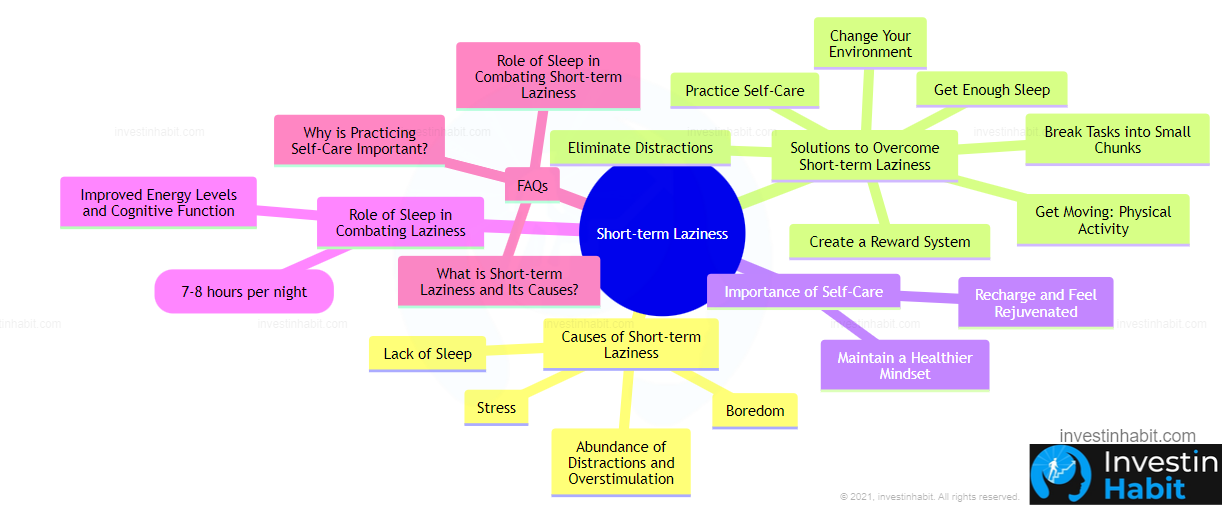
This is known as short-term laziness, and it can be caused by a variety of factors such as stress, lack of sleep, boredom, or even an abundance of distractions and overstimulation.
But don’t worry, there are plenty of things you can do to overcome it and get back on track.
 Get Moving
 Get Moving
Physical activity is one of the best ways to overcome short-term laziness. Even a short walk or doing some stretching can help wake you up and get your blood flowing.
Exercise releases endorphins, which can give you a natural boost of energy and improve your mood.
- Break Tasks into Small Chunks
Sometimes a task can feel overwhelming, which can lead to procrastination and short-term laziness. Breaking the task into small, manageable chunks can help you stay focused and make it feel less daunting. Set a timer for 20 minutes and work on one part of the task, then take a break before moving onto the next part.
- Create a Reward System
Sometimes a little motivation can go a long way. Create a reward system for yourself that you can look forward to after completing a task. For example, after finishing a project, treat yourself to a favorite snack or an episode of your favorite TV show.
- Eliminate Distractions
Sometimes it can be hard to focus when there are so many distractions around you. Turn off your phone or put it in another room, close unnecessary browser tabs, and try to create a quiet space for yourself to work. This can help you stay on task and avoid short-term laziness.
- Change Your Environment
A change of scenery can also help break up the monotony and overcome short-term laziness. Go work in a different room or even take your work outside. Sometimes a change in surroundings can help stimulate creativity and make the task more enjoyable.
- Get Enough Sleep
Lack of sleep can lead to feelings of fatigue and short-term laziness. Aim to get seven to eight hours of sleep each night to help improve your energy levels and cognitive function. If you’re feeling tired, taking a short nap can also help you recharge.
- Practice Self-Care
It’s important to take care of yourself in order to avoid short-term laziness. Taking a break to do something you enjoy, such as reading a book or taking a relaxing bath, can help you feel rejuvenated and ready to tackle the task at hand.
In conclusion, overcome short-term laziness with the right mindset and tools. By incorporating physical activity, breaking tasks into smaller chunks, creating a reward system, eliminating distractions, changing your environment, getting enough sleep, and practicing self-care, you can combat short-term laziness and accomplish your goals.
Remember to be kind to yourself and take things one step at a time. You got this!

Transform Your Life with InvestInHabit

Ready for real change? Join us and get over:
- 200+ Personal Development Worksheets,
- 100+ Blog Post MindMaps
for FREE! 😍 + Our newsletter offers the latest in habit formation and self-improvement, straight to your inbox.
Subscribe now and Start redefining your mindset today! Join our community committed to success!
Inside this Article
FAQ
What is short-term laziness and what causes it?
Short-term laziness is a temporary lack of motivation or energy to complete tasks, often caused by factors like stress, lack of sleep, boredom, or an abundance of distractions and overstimulation.
Why is practicing self-care important in dealing with short-term laziness?
Practicing self-care is important for dealing with short-term laziness because it allows you to recharge and feel rejuvenated. By taking breaks and engaging in enjoyable activities, you can maintain a healthier mindset and stay more focused on tasks.
What role does sleep play in combating short-term laziness?
Sleep plays a crucial role in combating short-term laziness, as adequate sleep (7-8 hours per night) improves energy levels and cognitive function. Feeling well-rested can reduce feelings of fatigue and enhance motivation.
If you enjoyed this content on short-term laziness, feel free to share on Twitter or Facebook.
This article is part of a larger, comprehensive post that explores 115 causes of laziness in-depth. Be sure to check out our main article, to gain a better understanding of the various factors that contribute to this phenomenon.