

In today’s digital age, screens are an unavoidable part of daily life.
While technology can make our lives more convenient and entertaining, too much screen time can lead to negative consequences, including laziness.
In this blog post, we will explore how too much screen time can lead to laziness and provide tips on how to minimize screen time for a more productive and fulfilling life.
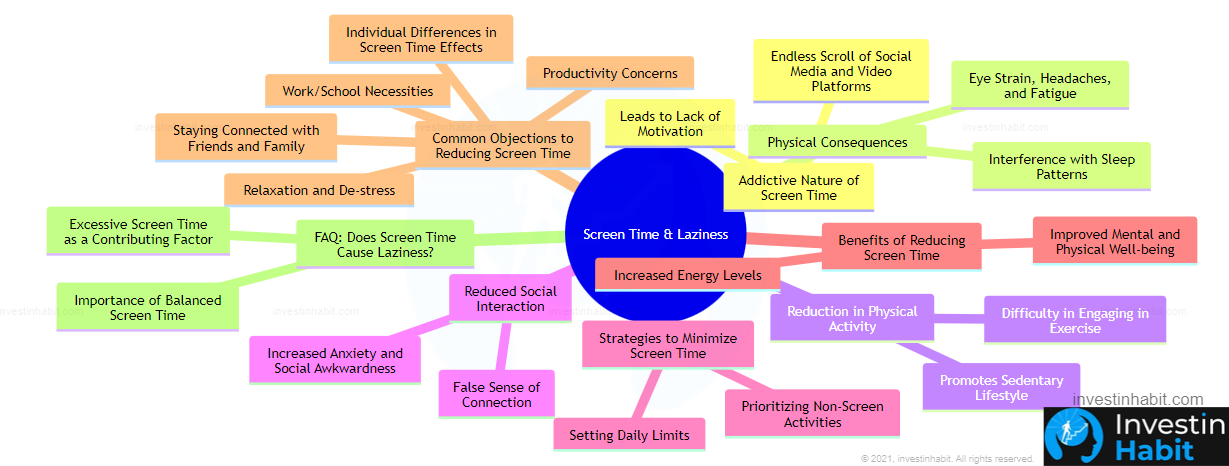
Firstly, excessive screen time can be addictive and lead to a lack of motivation. The endless scroll of social media, video streaming platforms, and mobile games can consume hours of our day, leaving us feeling drained and unmotivated to pursue other activities.
When people spend hours on end sitting in front of a screen, they may feel unmotivated to engage in physical activities or exercise. This can lead to a cycle of inactivity that can be difficult to break out of, ultimately contributing to feelings of laziness and a lack of energy.
In addition to the addictive nature of screens, prolonged screen time can also lead to physical exhaustion. Spending long periods in front of a screen can cause eye strain, headaches, and fatigue. The blue light emitted by screens can interfere with the body’s natural sleep rhythms, making it harder to fall asleep and stay asleep.
As a result, one may feel too tired to engage in physical activities or hobbies, leading to a more sedentary lifestyle and further perpetuating laziness.
Another way in which too much screen time can lead to laziness is by reducing social interaction. Social media and online communication have their benefits, but they cannot replace the joy of face-to-face interaction.
The constant scrolling and swiping can create a false sense of social interaction, making us feel like we’re connected when in reality, we’re still sitting alone in front of a screen. As we spend more time on screens, we may find ourselves feeling more anxious and socially awkward in real-life interactions, further perpetuating the cycle of isolation and disengagement.
So, what can we do to minimize screen time and combat the effects of too much screen time? One effective strategy is to set a daily limit for screen time and stick to it.
Prioritizing activities that do not involve screens, such as spending time in nature, reading books, or exercising, can help to boost energy levels and increase overall well-being.
Additionally, we can take breaks and engage in activities that promote social interaction and physical movement, such as spending time with friends and family or joining a sports team.
In conclusion, excessive screen time can lead to laziness in a variety of ways, including addiction, physical exhaustion, and reduced social interaction. However, by taking steps to minimize screen time and prioritize activities that promote well-being, we can break the cycle of laziness and lead a more fulfilling and productive life.
In summary, to combat the negative effects of excessive screen time, it’s important to take regular breaks, stretch, and engage in physical activity.
Small changes like taking regular breaks from screens and incorporating short bursts of physical activity into daily routines can make a big difference in breaking the cycle of inactivity and boosting motivation.
Inside this Article
Addressing Common Objections to Reducing Screen Time
-
“But I need my screen time for work/school!”
While it’s true that many jobs and schools require the use of screens, it’s important to be mindful of how much time you’re spending on them.
Try to take regular breaks to rest your eyes and stretch your body, and consider using software that can help limit your screen time or adjust the brightness to reduce eye strain.
-
“But screens help me relax and de-stress!”
It’s true that screens can be a source of entertainment and relaxation, but it’s important to balance this with other activities that promote physical and mental wellness.
Try taking breaks to go for a walk or engage in a hobby that doesn’t involve screens, and consider setting boundaries around your screen time to ensure that you’re not using it as a crutch to avoid dealing with other issues.
-
“But I’m still productive even with a lot of screen time!”
It’s possible to be productive while using screens, but it’s important to consider the long-term impact on your physical and mental health. Too much screen time can lead to physical exhaustion, decreased social interaction, and information overload, which can all contribute to feelings of laziness and a lack of motivation.
It’s important to find a balance that allows you to be productive while also prioritizing your overall well-being.
-
“But screens are necessary for staying connected with friends and family!”
Screens can certainly help us stay connected with loved ones, especially during times when in-person interaction is limited. However, it’s important to consider the quality of these interactions and whether they’re truly fulfilling our need for social connection.
It’s also important to prioritize face-to-face interaction and other forms of socialization that don’t involve screens.
-
-
“But I don’t feel lazy, even with a lot of screen time!”
-
Everyone experiences screen time differently, so it’s possible that some people may not feel any negative effects from prolonged use. However, it’s important to consider the potential long-term impact on physical and mental health, as well as the impact on overall well-being and productivity.
Being mindful of screen time and finding a healthy balance can help ensure that you’re not experiencing negative effects without realizing it.
Frequently Asked Questions (FAQ)
Does screen time cause laziness?
While screen time itself does not directly cause laziness, excessive screen time can contribute to factors that lead to feelings of laziness, lack of motivation, and a sedentary lifestyle. Prolonged screen time can result in addiction, physical exhaustion, and decreased social interaction. These factors impact a person’s overall well-being, productivity levels, and the ability to engage in physical activities.
To maintain a healthy balance, it’s essential to set limits on screen time, prioritize activities that don’t involve screens, and engage in regular breaks and physical activities that promote mental and physical wellness.
If you enjoyed this content on how too much screen time leads to laziness, feel free to share on Twitter or Facebook.
This article is part of a larger, comprehensive post that explores 115 causes of laziness in-depth. Be sure to check out our main article, to gain a better understanding of the various factors that contribute to this phenomenon.

Transform Your Life with InvestInHabit

Ready for real change? Join us and get over:
- 200+ Personal Development Worksheets,
- 100+ Blog Post MindMaps
for FREE! 😍 + Our newsletter offers the latest in habit formation and self-improvement, straight to your inbox.
Subscribe now and Start redefining your mindset today! Join our community committed to success!