

Ever felt like your emotions are blasting at full volume, making it hard to think straight or act calmly? Or maybe they seem muted, leaving you feeling disconnected and unsure of how you truly feel? We’ve all been there. Our emotions are a vibrant tapestry that weaves through every aspect of our lives, but their intensity can vary greatly, influencing our behavior, decisions, and even our well-being.
This blog post delves into the fascinating world of emotional intensity. We’ll explore:
- The fundamental role of emotions in our lives, from igniting motivation to fostering connection.
- The concept of emotional intensity, unpacking what it means and how it manifests itself.
- The impact of emotional intensity on our thoughts, actions, and decision-making processes.
By understanding the different dials on our emotional spectrum, we can navigate life’s ups and downs with greater self-awareness and navigate them with more resilience.
Inside this Article
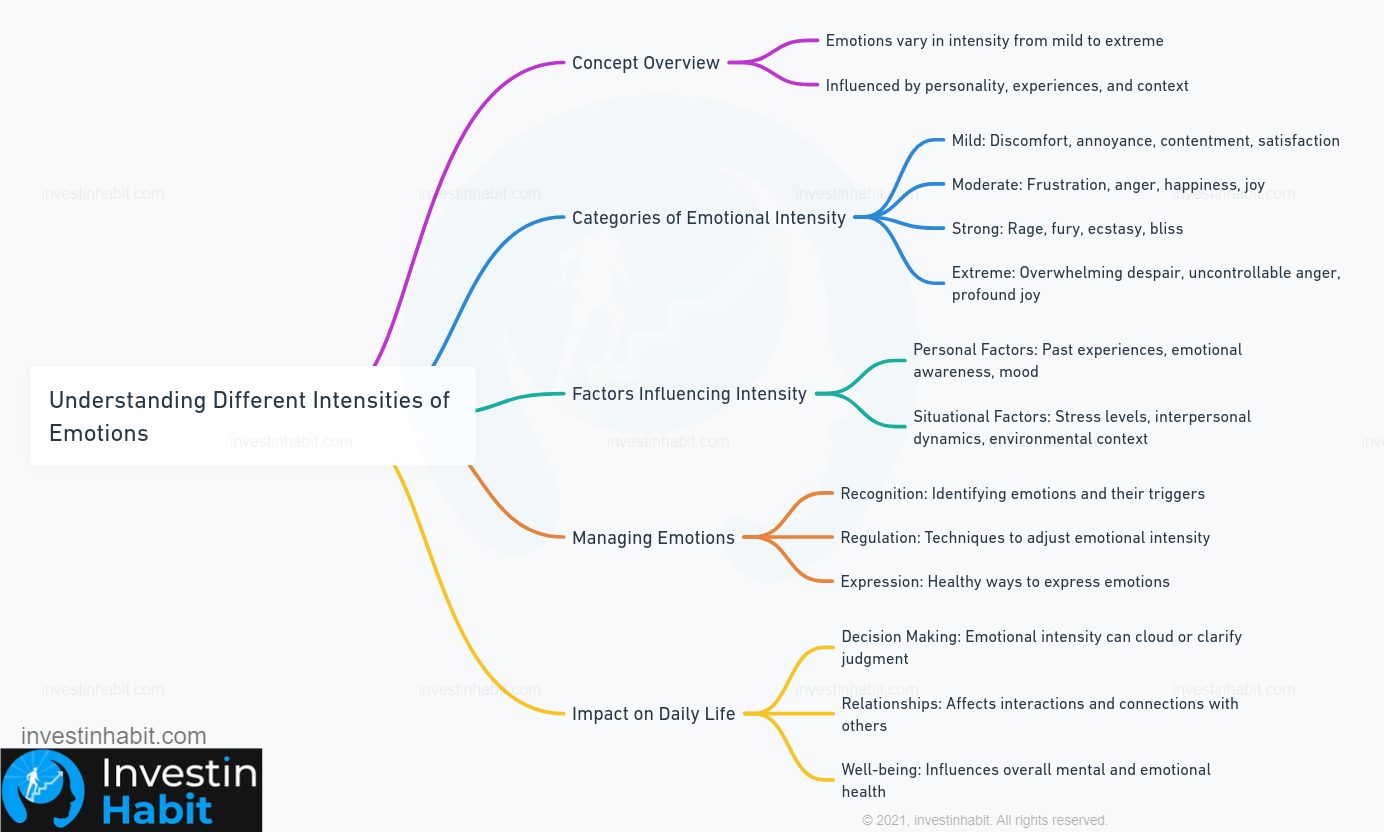
The Spectrum of Emotional Intensity
Imagine stepping into a world where emotions aren’t just black and white but painted in every shade imaginable. That’s the realm of emotional intensity, a fascinating aspect of our inner lives that I’m thrilled to explore with you today.
At its core, emotional intensity refers to the strength or power behind our feelings. It’s like comparing the gentle touch of a breeze against your skin to the overwhelming force of a storm. Both are movements of air, yet they differ vastly in their impact. Similarly, when we talk about emotions, the intensity can range from a whisper of irritation to a thunderous roar of anger.
Now, let’s dive a bit deeper. You know how sometimes a small annoyance, like a misplaced set of keys, can make you slightly irritable? That’s a mild intensity of emotion. You’re bothered, yes, but it’s more like a background noise, not enough to derail your day. This mild irritation is like the first few drops of rain in what might become a downpour or might just pass over.
On the other end of the spectrum, consider those moments when something more significant happens—perhaps a betrayal or a profound injustice. That’s when irritation can escalate into intense anger, a powerful, all-consuming force that demands your full attention and energy. This isn’t just rain; it’s a full-blown storm, with lightning striking and thunder rolling, a natural response to something that deeply affects you.
Understanding this spectrum is crucial because it helps us navigate our emotional world with more nuance and grace. Recognizing that we can experience the same emotion at different intensities empowers us to respond more appropriately to our feelings and the situations that trigger them.
I encourage you to reflect on your own experiences with emotional intensity. Have you noticed how certain events trigger stronger emotional responses than others? How do you deal with the varying intensities of your emotions? Acknowledging and exploring these differences can be incredibly enlightening, offering us a richer, more vibrant emotional landscape to navigate.
In our journey through life, our emotions are our compass, guiding us through the complexities of our relationships and decisions. By understanding the spectrum of emotional intensity, we can learn to navigate this terrain with greater awareness and compassion, both for ourselves and for others. Let’s embrace this journey together, exploring the vastness of our emotional worlds with curiosity and kindness.

Transform Your Life with InvestInHabit

Ready for real change? Join us and get over:
- 200+ Personal Development Worksheets,
- 100+ Blog Post MindMaps
for FREE! 😍 + Our newsletter offers the latest in habit formation and self-improvement, straight to your inbox.
Subscribe now and Start redefining your mindset today! Join our community committed to success!
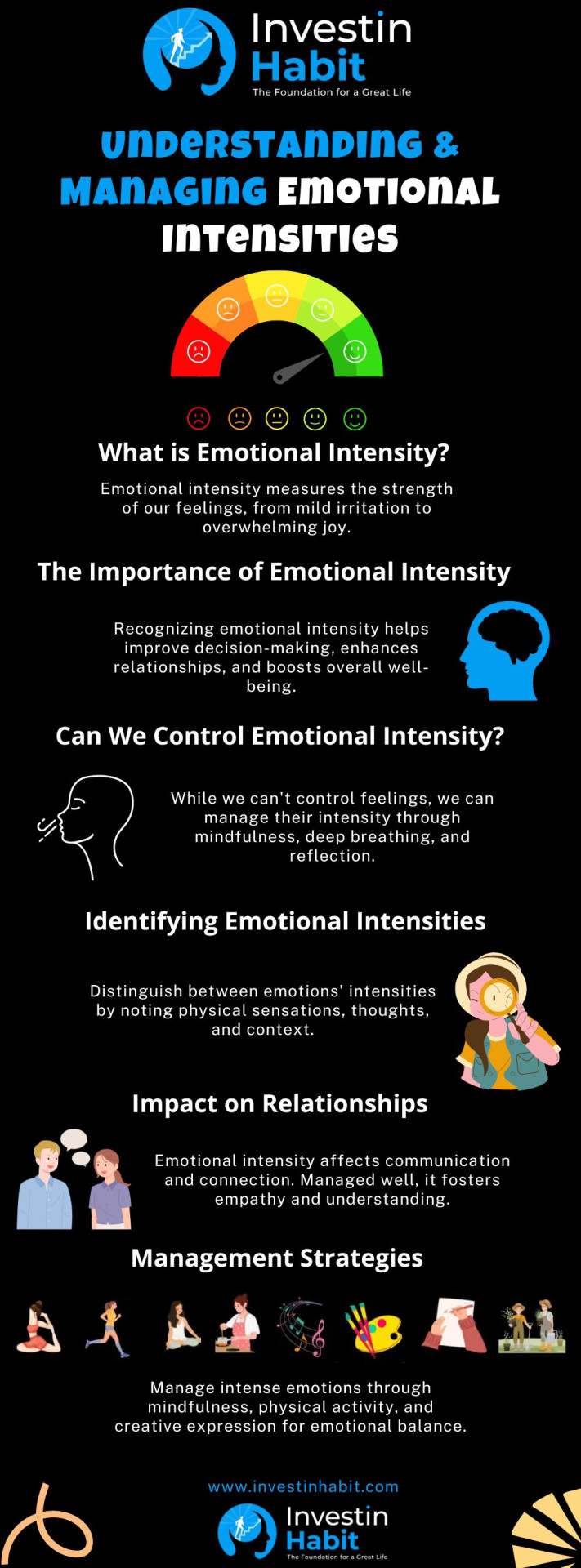
Recognizing Different Intensities of Emotions

Navigating the ocean of our emotions can be quite the adventure, don’t you think? Sometimes it’s calm and serene, and other times it feels like we’re navigating through a storm. Recognizing the intensity of our emotions is like learning to read the weather before setting sail. It’s an invaluable skill that can make our journey through life a bit smoother.
First off, let’s talk about some tips for identifying how strong our emotions are. Imagine you’re feeling annoyed. Now, is this a “sigh and shake it off” level of annoyance, or are we talking a “steam coming out of your ears” situation? Here’s a little trick I use: I ask myself, “On a scale of 1 to 10, how intense is this feeling?” It’s a simple question, but it forces me to stop and really think about the emotion I’m experiencing.
Another tip is to pay attention to your body. Our bodies and emotions are closely linked. A mild irritation might just make you frown, but intense anger? That might come with a faster heartbeat, tension in your shoulders, or even a headache. By becoming more attuned to these physical cues, you can get a better grasp on the intensity of your emotions.
Now, onto the role of self-awareness and emotional intelligence in all this. Self-awareness is like having a map of your emotional landscape. It means knowing your typical reactions, understanding what triggers strong emotions, and recognizing when your feelings are starting to escalate. It’s about looking inward and asking, “Why am I feeling this way?” and “What does this emotion tell me about my needs or desires?”
Emotional intelligence, on the other hand, is the skill that lets you navigate that map effectively. It involves managing your emotions in healthy ways, empathizing with others, and making informed decisions based on your feelings. Think of it as the compass that guides you through your emotional journey. The better you are at reading this compass, the more adept you become at handling the various intensities of your emotions.
Developing these skills doesn’t happen overnight, but the effort is well worth it. By becoming more self-aware and enhancing your emotional intelligence, you’re not just learning to identify the intensity of your emotions; you’re also setting the stage for more meaningful interactions and a more fulfilling life.
So, how about we start paying a bit more attention to our emotional weather? Let’s get curious about our feelings, explore what they’re telling us, and use that insight to navigate our day-to-day lives. After all, understanding our emotions is a journey of self-discovery, and who knows what treasures we’ll find along the way?
Examples of Emotions and Their Intensities

Now, let’s navigate through the stormier seas of our emotional world: anger and fear. Just like with happiness and sadness, these emotions come in various shades and intensities. Understanding them can be like learning the language of your own heart and mind. So, buckle up, and let’s dive in.
Anger: From Annoyance to Rage
First up, we have Annoyance. Think of annoyance as the buzzing of a fly when you’re trying to concentrate. It’s a mild form of anger, sure, but more like a nudge than a shove. Annoyance is that little pinch of irritation over things that are more inconvenient than they are hurtful. It’s the misplaced keys or the wet towel left on the bed. Annoying, yes, but not the end of the world.
Then, there’s Frustration. This is anger with a purpose, born out of blocked goals or unmet expectations. You’re trying to achieve something, and despite your best efforts, it just isn’t working out. Frustration is the feeling of hitting a wall, whether it’s in traffic, at work, or in a personal project. It’s more intense than annoyance because it’s tied to something you care about, making it a bit tougher to shake off.
And at the peak of the anger mountain, we find Rage. Rage is intense, powerful, and all-consuming. It’s the volcanic eruption of the anger world. When rage hits, it’s like a storm that can’t be contained, often sparked by deep hurt or injustice. Rage demands action, though not always the kind we might think is best in hindsight. It’s a raw, primal emotion that reminds us of the power and intensity our feelings can reach.
Fear: From Apprehension to Terror
Starting on the lighter end, we have Apprehension. This is fear in its most gentle form, like the unease you feel when trying something new or the nervousness before a big presentation. Apprehension whispers, “What if?” in your ear, but it’s not paralyzing. It’s the kind of fear that keeps you alert, not the kind that stops you in your tracks.
Moving deeper into the forest of fear, we encounter Dread. Dread is heavier, a sinking feeling in your stomach as you anticipate something you know is going to be unpleasant. It’s the Sunday night blues before a tough week at work or the wait for important, potentially bad news. Dread hangs over you like a dark cloud, coloring your moments with worry and unease.
And then, there’s Terror. Terror is fear at its most extreme, an overwhelming and often paralyzing sensation. It’s the kind of fear that grips you in the face of immediate danger or profound horror. Terror is the fight-or-flight response in overdrive, a reminder of our vulnerability in the face of the truly fearsome aspects of life.
Recognizing these different intensities of anger and fear can be incredibly empowering. It allows us to name our feelings accurately, understand their sources, and decide how best to address them. Whether it’s the mild irritation of annoyance or the overwhelming force of terror, each emotion offers us valuable insights into our experiences and how we interact with the world around us.
So, next time you feel the stirrings of anger or fear, take a moment to identify its shade. By doing so, you’re not just navigating your emotional seas; you’re mastering them. And that, my friend, is a journey worth embarking on.
The Impact of Emotional Intensity on Our Lives
Now, let’s turn our attention to how these varying intensities of emotions ripple through our lives, influencing everything from our daily choices to our deepest relationships. It’s like each emotion sets off a chain reaction, impacting our world in ways both subtle and profound.
The Ripple Effect of Emotional Intensity
Imagine you’re holding a remote control for your emotions. Turning the dial up increases the intensity, and each notch affects your thoughts, decisions, and actions differently. When emotions are at a whisper, like a mild annoyance or apprehension, they might gently nudge our decisions. Maybe you choose to walk away from a minor irritation instead of engaging, or you push through the nervousness to deliver that presentation.
But crank that emotional intensity up to a shout, like rage or terror, and the effects can be like a storm, steering us in directions we might not have chosen in calmer waters. Intense emotions can cloud our judgment, leading to snap decisions we might regret or actions that are out of character. They’re powerful forces that, when unchecked, can steer our lives onto paths we never intended to take.
Emotional Intensity and Its Social Tides
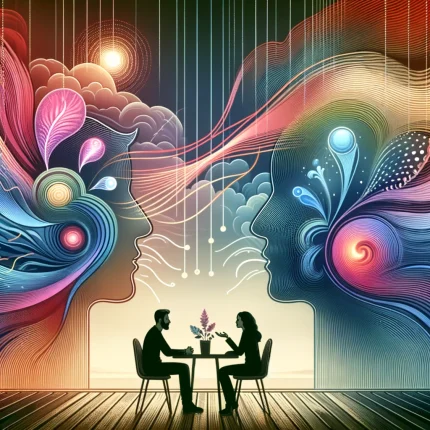
Now, let’s talk about how these emotional intensities wash over our relationships and communication. It’s fascinating, really. On one hand, sharing emotions at their milder intensities can build bridges. Expressing contentment or mild frustration invites others into our inner world, allowing for empathy and understanding. It’s like saying, “Here’s a glimpse of my heart,” which can deepen connections.
On the other hand, when emotions surge to their heights, the impact on our interactions can be like high tide, for better or worse. Intense joy shared can be infectious, bonding us closer to those who celebrate with us. Yet, when we’re in the grip of despair or rage, the waves can be rough. These moments require careful navigation to avoid shipwrecking relationships. Communication becomes key, not just in expressing our emotions but in navigating them together with those we care about.
Steering Through Emotional Waters
Understanding the impact of emotional intensity isn’t about dampening our feelings. Quite the opposite—it’s about recognizing their power and learning to sail these waters with skill. It’s knowing when to let emotions flow and when to anchor them, ensuring they enhance rather than dictate the course of our lives.
And remember, while we may sometimes feel adrift in our emotions, we’re never truly lost at sea. Each emotion, each wave of intensity, is a chance to learn more about ourselves and how we relate to the world around us. By acknowledging and respecting the power of our emotions, we can navigate our lives with greater care, compassion, and understanding, both for ourselves and for those we journey with.
So, next time you feel the swell of emotions rising, take a moment to assess their intensity. Ask yourself how they might ripple through your thoughts, decisions, and relationships. With this awareness, you’re not just at the mercy of the emotional tides—you’re learning to sail them, charting a course through the beautiful, stormy, and ever-changing sea of life.
Managing Emotional Intensity
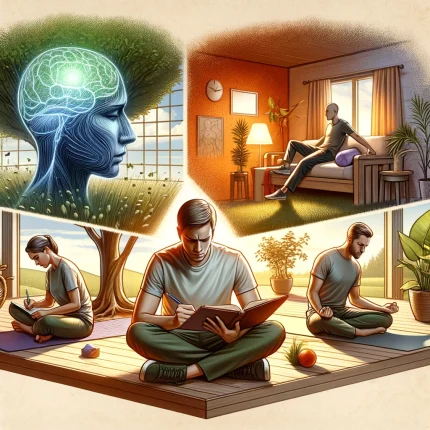
As we venture deeper into the world of emotions, let’s talk about something crucial: managing emotional intensity. It’s like having a toolkit at your disposal, ready to help you navigate through emotional storms and sunny days alike. So, let’s dive into some strategies that can help us respond to and manage emotions of varying intensities.
The Emotional Toolkit
1. Awareness is Your Anchor
The first tool in your kit is awareness. Recognizing the emotion and its intensity is like spotting a storm on the horizon. By naming the emotion, you’re taking the first step in managing it. This awareness allows you to say, “Ah, this is frustration I’m feeling, and it’s pretty intense right now.”
2. Breathing: Your Emotional Compass
Never underestimate the power of breathing. When emotions surge, our body’s fight or flight response can kick in, and that’s where deep, slow breaths come in handy. Think of each breath as a compass guiding you back to calm waters. It’s a simple but powerful way to regain control and steer through emotional intensity.
3. Express, Don’t Suppress
Emotions are meant to be felt and expressed, not bottled up. Find healthy outlets for your emotions, whether that’s journaling, talking to a friend, or engaging in creative activities. By expressing your emotions, you’re letting the emotional energy flow through and out of you, rather than letting it build up into a storm.
4. Seek Perspective: The Map to Navigate Emotions
Sometimes, we’re so close to our emotions that we lose sight of the bigger picture. Taking a step back to gain perspective can be incredibly helpful. Ask yourself, “Will this matter in a week, a month, or a year?” This question can help you navigate through the intensity of the moment and guide your response.
5. Build Your Emotional Muscle
Just like we exercise to strengthen our physical body, we can build our emotional resilience through practices like mindfulness, meditation, and self-reflection. These practices help us become more adept at managing emotional intensity, turning waves into ripples over time.
Navigating Together
And remember, you don’t have to navigate your emotions alone. Seeking support from friends, family, or professionals can be like having a crew aboard your ship, ready to help you steer through the toughest waters. Sometimes, just knowing there’s someone in your corner can make all the difference.
Managing emotional intensity isn’t about suppressing what we feel. It’s about understanding, respecting, and navigating our emotions with care. It’s a journey, and like any journey, there will be calm seas and rough storms. But with the right tools and strategies, you can sail through with confidence, knowing that you have what it takes to manage the vast and beautiful sea of your emotions.
So, let’s embrace this journey with open hearts and minds, ready to learn, grow, and navigate the rich emotional landscapes of our lives.
Leveraging Emotional Intensity for Personal Growth

Isn’t it fascinating how our most intense emotions, the very ones that can feel overwhelming or challenging, can also be powerful catalysts for personal growth? It’s like discovering that a storm not only brings rain but also nourishes the soil for new growth. Let’s explore how we can harness the energy of our emotional intensities to foster personal development and resilience.
1. The Power of Reflection
First off, intense emotions often signal moments of significant importance in our lives. By reflecting on these moments, we can uncover insights about our values, fears, and desires. It’s like being a detective in your own emotional landscape, where each clue reveals more about who you are and what matters to you. Ask yourself, “What can this emotion teach me?” This reflective practice turns emotional intensity into a source of personal wisdom.
2. Emotional Resilience: The Muscle You Build
Think of each intense emotional experience as a workout session for your emotional resilience. Just as muscles grow stronger with exercise, your emotional resilience strengthens each time you navigate through intense feelings. Over time, you’ll find that emotions you once thought were insurmountable now feel more manageable. This doesn’t mean the emotions are any less intense; rather, you’ve become more skilled in handling them.
3. The Art of Transformation
Intense emotions can also be the raw material for transformation. They can propel us into action, motivate change, and inspire creativity. Perhaps a period of deep sadness leads you to reevaluate your life’s direction, or a surge of righteous anger fuels your involvement in a cause you’re passionate about. These emotions, when channeled constructively, can lead to profound personal and social transformations.
4. Building Emotional Agility
Learning from intense emotional experiences teaches us emotional agility. This means being flexible with our emotions, allowing ourselves to feel deeply, and then moving forward with intention. It’s about choosing how we respond to our emotions, rather than being at their mercy. By developing this agility, we equip ourselves to face life’s challenges with grace and resilience.
Nurturing Growth Through Emotion
So, how do we begin to leverage our emotional intensity for growth? Start small. After an intense emotional experience, take time to reflect. Write about it, talk about it, or express it creatively. Seek the lesson in the emotion. Practice gratitude for the strength and insight you gain from each experience.
Remember, your emotions, regardless of their intensity, are a significant part of your journey. They are the colors with which you paint the canvas of your life. By learning from them and using them as catalysts for growth, you’re not just surviving the storm; you’re thriving because of it.
Let’s celebrate our emotional intensities as opportunities for profound personal growth and resilience. After all, it’s through weathering the storms that we learn to sail our ships with expertise and grace. Here’s to embracing our emotional richness and transforming our most intense feelings into stepping stones for personal development.
FAQ
What is emotional intensity?
- Emotional intensity is the strength or magnitude of an emotion, varying from mild and subtle to intense and overpowering. This range affects how we perceive and react to our feelings.
Why is understanding emotional intensity crucial?
- Grasping the concept of emotional intensity is vital for improved emotion management, fostering healthier relationships, making informed decisions, and enhancing overall mental well-being.
Can we control or manage emotional intensity?
- Yes, emotional intensity can be managed through mindfulness, deep breathing, and reflective practices, enabling us to respond thoughtfully rather than impulsively to our emotions.
How do I distinguish between the intensities of the same emotion?
- Differentiating between emotion intensities involves being mindful of physical cues, the thoughts triggered, and the situation, helping identify whether the emotion is mild or intense.
What impact does emotional intensity have on relationships?
- The intensity of our emotions plays a pivotal role in shaping our interactions and connections with others, where mindful management promotes empathy and understanding, and unmanaged intensity may lead to conflict.
What strategies help manage high emotional intensity?
- Effective strategies for regulating strong emotions include staying present through mindfulness, utilizing deep breathing for calm, engaging in physical activity for energy release, and adopting creative expressions like journaling.
Are intense emotions ever beneficial?
- Indeed, intense emotions can serve as catalysts for personal transformation, driving us towards significant life changes, creativity, and a deeper understanding of our personal values and aspirations.
How can emotional resilience be developed?
- Cultivating emotional resilience is an ongoing process involving self-care, nurturing supportive relationships, reflecting on past emotional challenges, and practicing emotion regulation strategies.
What should I do if overwhelmed by my emotions?
- When emotions feel overwhelming, seeking support from a trusted network, prioritizing self-care, and employing coping mechanisms are essential steps to regain emotional equilibrium.
Where can I find more resources on emotional intelligence and emotion management?
- A wealth of resources, including seminal books like “Emotional Intelligence” by Daniel Goleman, workshops, and online courses, are available for those looking to deepen their understanding and skills in emotional intelligence and management.
These FAQs are designed to guide you through the complexities of emotional intensities, offering insights for a journey of emotional exploration and mastery aimed at personal growth and improved mental health.
Conclusion
As we wrap up our journey through the landscape of emotional intensities, it’s clear how pivotal understanding and managing our emotions is. Recognizing the ebb and flow of our feelings isn’t just about emotional survival; it’s about thriving. It’s about turning the kaleidoscope of our emotions to see the world—and ourselves—in new and vibrant ways.
Embracing our emotional experiences, from the gentlest ripples of contentment to the towering waves of rage, opens us up to profound growth and self-discovery. Each emotion, with its unique intensity, is a teacher guiding us towards deeper self-awareness, resilience, and empathy. By listening to what our emotions are telling us, we can navigate life’s challenges with greater wisdom and grace.
Now, I invite you—you, who have journeyed with me through this exploration of emotional intensities—to share your own experiences. How have you navigated the varying intensities of your emotions? What strategies have you found helpful? Your stories and insights are invaluable, offering light to others navigating their emotional landscapes.
For those eager to dive deeper into the world of emotional intelligence, there are myriad resources awaiting your curious minds. Books like “Emotional Intelligence” by Daniel Goleman and “The Language of Emotions” by Karla McLaren offer rich insights and practical advice. Websites, podcasts, and workshops abound, each offering tools and perspectives to enrich your emotional journey.
Let’s continue this conversation, sharing and learning from each other’s experiences. Together, we can foster a community that celebrates the full spectrum of human emotion, recognizing its power to transform challenges into opportunities for growth and connection.
So, what’s your story? How have your emotions been a compass, a teacher, or a catalyst in your life? Share in the comments below, and let’s keep this beautiful, messy, invaluable conversation about our emotions flowing.
Transform Your Habits, Transform Your Life
Are you ready to turn the page to a new chapter in your life?
Stop dreaming, start achieving. Our exclusive newsletter delivers:
- Science-backed hacks: Master the psychology of habit formation used by CEOs and Olympians.
- Actionable strategies: No fluff, just practical steps to crush procrastination and dominate your goals.
- + a FREE surprise bonus 🎁 to jumpstart your transformation!
Don’t settle for mediocre. Subscribe now!