

Have you ever felt stuck, like an invisible force is holding you back from reaching your goals or experiencing true happiness? You’re not alone. These invisible forces are often emotional blocks, deeply ingrained patterns of thinking, feeling, and behaving that can limit our growth and fulfillment.
Imagine life without these barriers. Vibrant connections, fulfilling achievements, and a deep sense of inner peace become within reach. But how do we overcome these emotional blocks and unlock the potential within?
This guide is your roadmap to understanding and addressing these inner obstacles. We’ll delve into the science behind emotional blocks, explore their diverse forms, and equip you with practical tools to break free from their grip.
Why is addressing emotional blocks crucial? They can significantly impact our mental health and well-being, leading to anxiety, depression, and strained relationships. By understanding and dismantling these blocks, we pave the way for greater emotional resilience, increased self-compassion, and a life filled with more joy and purpose.
Ready to embark on this transformative journey? Join us as we unlock the secrets to overcoming emotional blocks and reclaiming your full potential.

Inside this Article
Understanding Emotional Blocks

Think of emotional blocks as knots in the fabric of your being. They can be formed by past experiences, limiting beliefs, or even unconscious patterns that create distortions in your perception of the world and yourself. These knots can manifest in various ways, impacting different aspects of your life:
- Relationships: Do you find yourself struggling to connect authentically with others, sabotaging healthy relationships due to fear of intimacy or vulnerability?
- Career: Perhaps you experience crippling self-doubt, hindering your ability to take on new challenges or pursue career advancement.
- Personal Growth: Are you stuck in a cycle of negative self-talk, preventing you from stepping outside your comfort zone and exploring your full potential?
- Health: Do you find yourself engaging in unhealthy coping mechanisms like overeating or procrastination due to unaddressed emotional distress?
Emotional blocks can be subtle or overt, but their impact is undeniable. They can lead to feelings of anxiety, depression, low self-esteem, and stagnation, preventing you from living a life filled with joy and fulfillment.
Understanding the nature of these blocks is the first step towards breaking free. In the next sections, we will delve deeper into the different types of emotional blocks, explore their root causes, and equip you with practical tools to unravel these knots and reclaim your emotional freedom.
Remember, uncovering and addressing emotional blocks is a journey of self-discovery and empowerment. By embarking on this journey, you are choosing to embrace your authentic self and unlock a world of possibilities waiting within you.
Emotional blockage forms when your “resistance to what is” becomes a regular way of coping with uncomfortable life circumstances. That means that, overtime, if you continue to deny, avoid or dismiss the reality of your life circumstances, you’ll continue to accumulate blockage within your body and spirit.
– Kim Egel in the article “Emotional Blockage: What It Is and How to Unblock“
Common Causes of Emotional Blocks: Untangling the Knots
Let’s dive into one of the most common causes of emotional blocks: trauma. I want you to know that if you’ve experienced trauma, you’re not alone. Many of us carry the weight of past events, whether it’s from abuse, accidents, or the profound loss of someone close. These experiences can deeply affect us, often in ways we might not fully recognize at first.
Trauma has a way of embedding itself into our emotional fabric, acting like a shield. You see, our minds, in their incredible capacity to protect us, sometimes create these emotional blocks as a form of defense against further pain. It’s as if your mind is saying, “This hurt me deeply; I need to make sure it doesn’t happen again.” While this protective mechanism can be helpful in the short term, over time, it may prevent us from fully experiencing our emotions, making it hard for us to move forward.
Understanding this is a big step towards healing. By recognizing the role of trauma in shaping our emotional responses, we can start to address these blocks with compassion. It’s not about forcing yourself to confront every painful memory all at once. Instead, it’s about gradually learning to feel safe within your own emotions, knowing that you have the strength and support to process them at your own pace.
I encourage you to approach this journey with patience and kindness towards yourself. Healing from trauma and dismantling emotional blocks is a process, one that doesn’t have a set timeline. Remember, it’s okay to seek support, whether from friends, family, or professionals. You’re not meant to walk this path alone, and there’s hope and healing on the other side. Together, we can start to unlock these blocks, paving the way for a more open and emotionally fulfilling life.

Transform Your Life with InvestInHabit

Ready for real change? Join us and get over:
- 200+ Personal Development Worksheets,
- 100+ Blog Post MindMaps
for FREE! 😍 + Our newsletter offers the latest in habit formation and self-improvement, straight to your inbox.
Subscribe now and Start redefining your mindset today! Join our community committed to success!
Stress and Anxiety
Let’s dive into how stress and anxiety can play a significant role in creating emotional blocks. You know, it’s like when you’re under a constant barrage of stress, whether it’s from work, relationships, or just the ups and downs of daily life, it feels like you’re carrying a heavy load that just keeps getting heavier.
Imagine your emotional system as a cup; stress and anxiety pour into it day after day. When the cup overflows, it’s your mind’s way of saying, “I can’t take any more.” That’s when emotional blocks step in. They’re like your mind’s attempt at putting a lid on the cup to prevent it from overflowing. It’s trying to protect you by saying, “Let’s not feel too much right now; we’ve got enough on our plate.” While this might help in the short term, in the long run, it’s like ignoring a simmering pot that eventually boils over.
Now, I’m here to tell you that it’s okay if you’re feeling this way. You’re not alone, and it’s a natural response to ongoing stress and anxiety. But here’s the hopeful part: recognizing this is your first step towards making a change. Just like you learn to delegate tasks to manage your workload, you can learn strategies to manage stress and anxiety, preventing them from overwhelming your emotional cup.
I’ll share some encouraging news with you: there are plenty of tools and techniques out there to help you. From mindfulness and meditation, which help you stay present and reduce anxiety, to setting boundaries and prioritizing self-care, which can significantly lower stress levels. And if you’re finding it tough to navigate these waters alone, reaching out to a professional can provide you with the guidance and support you need.
Remember, it’s not about eliminating stress and anxiety completely—that’s an unrealistic goal. Instead, it’s about learning how to manage them effectively so that they don’t lead to emotional blocks. By understanding and addressing these feelings, you can start to lift those blocks, allowing your emotions to flow freely again. It’s a journey, but one that leads to a more peaceful and fulfilling life.
Negative Experiences
You know, it’s fascinating how our early life experiences can have such a profound impact on us, shaping our beliefs and perspectives in ways we might not even realize. I’ve come to understand that sometimes, the things we go through, particularly the tough times, can leave us with certain beliefs about ourselves or the world around us that aren’t entirely true or helpful. It’s like carrying around a backpack full of stones — each one representing a negative experience or belief that weighs us down.
Let’s talk about how these negative experiences, especially those early in life, can create what we call emotional blocks. Imagine you’re a little kid again, and each time you try something new or take a risk, you’re met with criticism instead of encouragement. Over time, you might start to believe that it’s safer not to try at all than to face potential failure or disapproval. This belief becomes a sort of emotional block, stopping you from pursuing opportunities that could lead to joy, fulfillment, or success.
It’s not just about the big, obvious moments, either. Sometimes, it’s the smaller, seemingly insignificant experiences that accumulate, gradually shaping our view of ourselves and the world. Maybe you were laughed at for giving a wrong answer in class, or perhaps your enthusiasm was met with indifference. These moments can plant seeds of doubt, fear, or a sense of not being good enough, which grow into limiting beliefs.
Now, here’s the encouraging part: recognizing these limiting beliefs is the first step toward dismantling them. It’s about questioning the narrative we’ve accepted as truth and asking ourselves, “Is this belief serving me, or is it holding me back?” More often than not, we find that many of these beliefs are not reflections of our true capabilities or worth.
I want you to remember that you’re not alone in this journey. We all have our share of negative experiences and the resulting beliefs that come with them. The beautiful thing is, as we start to challenge and change these beliefs, we open up new possibilities for ourselves. It’s like shedding that heavy backpack stone by stone, allowing us to move forward with a lighter step and a clearer path.
So, let’s keep this conversation going. I’m here to explore with you how we can identify these emotional blocks and, more importantly, how we can work together to overcome them. It’s about giving yourself permission to rewrite your story, one belief at a time, moving towards a future where you feel empowered and unburdened by the past.
Cultural and Social Factors
At the heart of it, cultural norms and social expectations often dictate what’s considered “acceptable” in terms of expressing emotions. Have you ever noticed that in some cultures, showing emotions like anger or sadness openly is frowned upon? Or how, in other environments, even positive emotions like exuberant joy are expected to be tempered? It’s these unspoken rules that can lead us to suppress our true feelings, setting the stage for emotional blocks.
I want you to think about the times you’ve held back from expressing how you truly felt because you were worried about what others might think. Maybe you didn’t want to seem too emotional, too weak, or too different. This self-censorship, my friend, is where emotional blocks can start to take root. By consistently holding back our emotions to fit into societal molds, we can lose touch with our own feelings and desires. It’s like we’re putting a lid on our emotional pot, letting nothing out, not realizing that it’s okay to let it simmer and sometimes boil over.
But here’s the encouraging part: recognizing this influence is the first step toward breaking free from these emotional blocks. Understanding that these blocks aren’t just personal shortcomings but are influenced by the larger social and cultural context can be liberating. It reminds us that we’re not alone in this struggle and that challenging these norms—to find and express our true selves—is not only brave but necessary for our emotional well-being.
So, let’s start by giving ourselves permission to feel and express all our emotions, even if they don’t always align with what we’ve been taught is appropriate. Remember, your emotions are valid, and expressing them is a sign of strength and authenticity, not weakness. Together, we can start to dismantle these emotional blocks, one honest expression at a time, creating a space where all emotions are welcomed and embraced.

Effects of Emotional Blocks on Daily Life and Mental Health
Let’s talk about something really important – how emotional blocks can ripple through our lives, affecting everything from our relationships to our mental health. It’s like throwing a stone into a pond; the ripples are far-reaching. But remember, understanding these effects is the first step towards making positive changes. So, let’s explore this together, shall we?
Relationships: Have you ever felt stuck, unable to express what you truly feel to someone close to you? Emotional blocks can be sneaky, making it tough to open up and share our true selves. This can lead to misunderstandings or distance in relationships, which, let’s be honest, can be pretty painful. But here’s a hopeful thought: recognizing this can empower us to work on being more open and vulnerable. It’s about taking small steps to express ourselves more freely, deepening connections with those we care about.
Work and Creativity: Now, think about your work or creative projects. Ever felt like you’re just not hitting your stride, as if there’s a barrier to your innovation or motivation? That’s emotional blocks at play again. They can sap your enthusiasm and make it hard to engage fully with what you’re doing. But the silver lining? Realizing this gives you a starting point to seek inspiration, to rekindle your passion for your work or hobbies. It’s all about finding what sparks joy and creativity in you, and chasing after it with all you’ve got.
Personal Development: Emotional blocks can also be a roadblock to trying new things or making decisions. It’s like being at a crossroads but feeling unable to choose any path. This stagnation can be frustrating, but here’s the thing – recognizing you’re stuck is the first step toward movement. It’s about embracing the unknown, one small step at a time, and opening yourself up to the possibilities that change brings. Remember, every great adventure starts with a single step.
Mental Health: Most importantly, let’s talk about our mental health. Unresolved emotional blocks can lead to deeper issues like depression, anxiety, and low self-esteem. It’s crucial to acknowledge the connection between our emotions and our overall well-being. But there’s hope in knowing that addressing these blocks, through therapy, self-reflection, or even talking to a trusted friend, can lead to significant improvements in our mental health. It’s about taking that brave first step towards healing and remembering that it’s okay to ask for help.
Understanding the impact of emotional blocks is a big step forward. It’s about recognizing the ripples, then learning to swim through them. And I believe in you; I believe you can navigate through these waters to find clearer, calmer seas. Remember, it’s about progress, not perfection. And every step you take is a victory worth celebrating.
Identifying Your Emotional Blocks
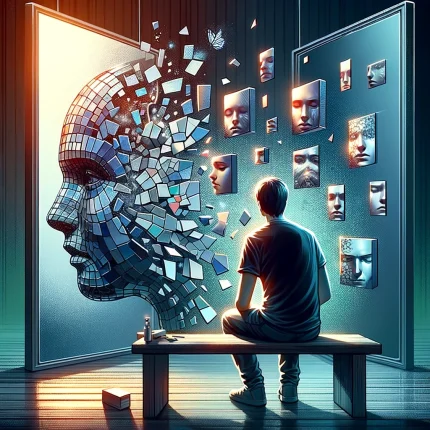
Welcome to the next step of our journey together! Now that we have a deeper understanding of what emotional blocks are and where they come from, let’s dive into identifying them in our own lives. Think of this as a treasure hunt, where recognizing these blocks is the first clue to uncovering a more authentic and liberated you.
Signs and Symptoms of Emotional Blocks
First off, let’s chat about the signs that might hint at emotional blocks lurking beneath the surface. Have you ever felt a sudden loss of motivation, or perhaps a sense of being overwhelmed when making decisions? Maybe you’ve noticed yourself avoiding certain topics or feelings, or you find it hard to connect with others on a deeper level. These are just a few signs that emotional blocks might be at play. It’s like your mind and body are sending you signals, asking for a bit of extra attention in some areas.
Self-Assessment Techniques and Reflection Questions
Identifying these blocks on your own can be incredibly empowering. It’s about turning inward and getting curious about your own experiences and reactions. I suggest setting aside some quiet time for reflection. Grab a journal and consider questions like:
- What emotions do I find difficult to express, and why?
- Are there any recurring patterns in my life that I feel stuck in?
- When do I feel most disconnected from myself or others?
Reflecting on these questions can help shine a light on areas where emotional blocks might be hiding. It’s not about judging yourself but rather about understanding and acknowledging your feelings and experiences.
The Role of Therapy and Psychological Assessment
While self-reflection is powerful, sometimes we need a bit of extra help—and that’s perfectly okay. Therapy and psychological assessments can be invaluable tools in identifying and understanding your emotional blocks. Think of therapists as guides in this journey, offering insights and techniques you might not have considered on your own. They can help you dig a bit deeper and offer a safe space to explore and process your emotions.
Psychological assessments, too, can offer a clearer picture of your emotional landscape. They’re like maps that show you where you are and help pinpoint areas that might need a bit more exploration.
Remember, seeking help is a sign of strength and an important step in your journey towards emotional freedom. It’s about equipping yourself with the tools and support you need to navigate through the complex terrain of your emotions.
So, as we wrap up this section, I encourage you to approach this process with an open heart and mind. Be gentle with yourself as you explore and uncover. Identifying your emotional blocks is a crucial step towards understanding yourself better and moving towards the life you wish to lead. And remember, you’re not alone on this path. Whether through self-reflection or with the support of a therapist, you’re taking important steps towards a brighter, more connected future. Let’s keep moving forward, together.
Strategies for Addressing Emotional Blocks
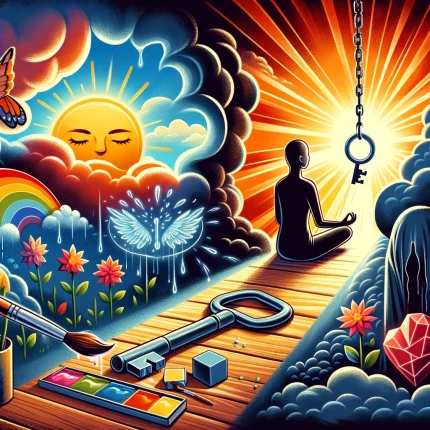
Alright, we’ve made it to an exciting part of our journey: discovering strategies to address those emotional blocks we’ve been talking about. Think of this as equipping yourself with a toolbox full of different tools, each with its own purpose and strength. The goal? To find the right combination that works for you, helping you to chip away at those blocks and let your true self shine through.
Professional Therapy Options
Let’s start with some powerful allies in this journey: professional therapy options. There’s a whole world of therapeutic approaches out there, each with its unique way of helping you untangle the knots of emotional blocks.
- Cognitive Behavioral Therapy (CBT) is like having a map that helps you navigate your thoughts and behaviors, showing you how they’re connected to your emotions. It’s incredibly hands-on and practical, perfect for those who love step-by-step guides.
- Eye Movement Desensitization and Reprocessing (EMDR) might sound a bit like science fiction, but it’s a real and effective way to process trauma. Imagine it as a way to help your brain reprocess memories that are stuck, using eye movements to reduce the intensity of emotional pain.
- Psychotherapy, or talk therapy, is like having a deep conversation with someone who’s trained to listen and guide you towards self-discovery and healing. It’s all about exploring the roots of your emotional blocks in a safe and supportive environment.
Mindfulness and Meditation Techniques
Now, imagine having a magic wand that could calm your mind and body, helping you to see your emotional blocks with clarity and compassion. That’s what mindfulness and meditation techniques can offer. It’s about taking a moment to just be, observing your thoughts and feelings without judgment. Practicing mindfulness can help you become more aware of your emotional blocks, giving you the space to work through them gently.
Journaling and Expressive Writing Exercises
If you’ve ever felt the relief of pouring your thoughts onto paper, you already know the power of journaling and expressive writing. These exercises are like having a conversation with yourself, allowing you to explore and express your emotions freely. It’s a safe space to confront your blocks, ask questions, and even write letters to parts of yourself. The act of writing can be incredibly cathartic, offering insights and revelations along the way.
The Role of Physical Activity and Lifestyle Changes
Last but not least, let’s not forget the incredible impact of physical activity and lifestyle changes. Moving your body isn’t just about physical health; it’s a powerful tool for emotional well-being, too. Whether it’s yoga, running, dancing, or any activity that you enjoy, physical movement can help release pent-up emotions, reduce stress, and improve your mood. Think of it as clearing the fog, making it easier to work through emotional blocks.
Coupled with lifestyle changes like eating healthily, getting enough sleep, and setting boundaries, you can create a strong foundation for overcoming emotional blocks. It’s about treating yourself with kindness and respect, nurturing both your body and mind.
As we wrap up this section, remember that addressing emotional blocks is a journey, not a sprint. It’s about experimenting with different strategies, finding what resonates with you, and being patient with yourself along the way. Each step you take, no matter how small, is a step towards a more open and emotionally free you. So, let’s keep moving forward, equipped with our newfound tools and a heart full of hope.
Developing Emotional Resilience

Welcome to a vital part of our journey together—developing emotional resilience. Think of resilience as your personal shield, one that not only protects you but also empowers you to face life’s challenges with grace and strength. Now, I want to share with you some strategies that can help fortify this shield, making you more adaptable and robust in the face of emotional blocks.
Strategies for Building Emotional Resilience
Building emotional resilience is like training a muscle; it requires consistent effort and practice. One key strategy is embracing a growth mindset—the belief that you can improve and grow through challenges. It’s about seeing obstacles as opportunities to learn rather than insurmountable barriers.
Another powerful tool is practicing gratitude. It might sound simple, but acknowledging the good in your life, even during tough times, can shift your perspective and open your heart to hope and positivity.
Let’s not forget about setting realistic goals and taking small, achievable steps towards them. This process helps build confidence and a sense of accomplishment, reinforcing your belief in your ability to overcome challenges.
The Importance of a Supportive Social Network
Now, imagine you’re not alone on this journey. Surrounding you is a supportive social network—friends, family, mentors—who cheer you on, offer a listening ear, and remind you of your strengths. This network is invaluable. It’s a safety net that catches you when you fall and a cheering squad that celebrates your victories. Nurturing these relationships, reaching out when you need help, and offering support in return can significantly bolster your resilience.
Continuous Self-Care and Mental Health Management Practices
Taking care of yourself is not selfish; it’s essential. Continuous self-care and mental health management are like watering a garden; they keep you flourishing. Self-care includes physical care, like eating nourishing foods and getting enough rest, and emotional care, like setting boundaries and engaging in activities that bring you joy.
Mental health management might involve regular check-ins with a therapist, practicing stress-reduction techniques, or using tools like meditation and mindfulness to maintain emotional balance. It’s about knowing what you need and giving yourself permission to prioritize your well-being.
As we close this section, remember that developing emotional resilience is a journey that’s uniquely yours. It’s about discovering what strategies resonate with you, integrating them into your life, and adjusting as you grow and change. With each step forward, you’re not only moving towards overcoming current emotional blocks but also preparing yourself to navigate future challenges with confidence and grace. So, let’s continue on this path, nurturing our resilience and supporting each other along the way. Together, we’re unstoppable.
Real-Life Success Stories

Now, let’s turn the spotlight on some real-life warriors who’ve navigated the turbulent waters of emotional blocks and emerged stronger on the other side. Their stories are not just tales of triumph but beacons of hope and reservoirs of wisdom for us all. So, gather around, and let’s draw inspiration from their journeys.
Maria’s Story: Embracing Vulnerability
Meet Maria, who for years, struggled with expressing her true feelings, especially in her relationships. Fear of rejection had built a wall around her heart. But Maria’s turning point came when she decided to embrace vulnerability. She started small, opening up to a trusted friend about her fears. This simple act was her first step toward breaking down her emotional barriers.
Lesson Learned: Maria learned that vulnerability is not a weakness but a strength. It’s a bridge to deeper connections with others. Her tip? Start with someone you trust, and remember, it’s okay to take it one step at a time.
David’s Journey: Overcoming Fear of Failure
David’s story is about his battle with the fear of failure, which kept him from pursuing his dream of starting his own business. The fear was a heavy chain, holding him back. However, through cognitive behavioral therapy (CBT), David learned to challenge and reframe his negative thoughts. He realized that failure was not the end but a part of the learning process.
Lesson Learned: David discovered the power of shifting his perspective. His advice is to embrace failures as stepping stones rather than roadblocks. Remember, every great success story is also a story of great failures.
Emma’s Transformation: From Trauma to Triumph
Emma’s emotional blocks stemmed from a traumatic childhood experience. For years, she carried the weight of this trauma, which manifested as anxiety and depression. It was through EMDR therapy that Emma began to process and heal from her past. This journey wasn’t easy, but it was transformative.
Lesson Learned: Emma learned the importance of seeking professional help. Her key takeaway is that healing is possible, no matter how deep the wounds. Her tip: Don’t be afraid to reach out for help; it’s the first step towards healing.
The Group Effort: A Supportive Community’s Power
Lastly, let’s talk about a support group for individuals dealing with emotional blocks due to various life stresses. This group became a sanctuary for its members, offering a space to share openly and support each other unconditionally.
Lesson Learned: The group discovered the incredible power of community support. The takeaway? You’re not alone, and sharing your journey can lighten your load and the load of others. Their tip: Seek out communities or support groups where you can feel understood and supported.
These stories remind us that while the journey through emotional blocks is deeply personal, it is also universal. We all face challenges, but it’s how we confront them that defines our path forward. Let these stories inspire you to take your first step, to reach out, to share, and to open your heart to the possibilities of transformation. Remember, every step you take is a step towards a brighter, more authentic you.
Resources and Support

As we continue on this journey of understanding and overcoming emotional blocks, it’s crucial to know where to look for tools, wisdom, and companionship along the way. I’ve gathered a treasure trove of resources for you—books, websites, podcasts, and more—to fuel your journey with knowledge and support. And remember, seeking professional help is a brave step forward, so I’ll guide you through that process as well. Let’s dive in!
Resources for Further Reading and Exploration
Books:
- “The Body Keeps the Score” by Bessel van der Kolk explores the impact of trauma on the body and mind and the pathways to healing.
- “Daring Greatly” by Brené Brown delves into the power of vulnerability in transforming our lives.
Websites:
- Psychology Today offers articles, therapist directories, and a wealth of mental health information.
- The Mighty is a supportive community and resource hub for people facing health challenges, including mental health issues.
Podcasts:
- “The Happiness Lab” with Dr. Laurie Santos dives into the science of happiness and how to apply it to your life.
- “Unlocking Us” with Brené Brown discusses what it means to truly belong and connect with others, even in our struggles.
Seeking Professional Help
Finding a Therapist:
- Start with a search on reputable directories like Psychology Today or GoodTherapy, where you can filter by location, specialty, and insurance.
- Don’t hesitate to reach out to multiple therapists for initial consultations. It’s important to find someone you feel comfortable with.
What to Expect:
- In your first session, expect to discuss your reasons for seeking therapy, your goals, and your history. Remember, this is a safe space to be open and honest.
- Therapy is a partnership. Your therapist will guide you, but your active participation is key to the process.
Support Groups and Community Resources
Support Groups:
- Whether online or in-person, support groups can provide a sense of community and understanding. Websites like Meetup or support group directories can help you find groups related to specific emotional challenges or general mental wellness.
Community Resources:
- Local community centers often offer workshops, seminars, and classes that can support mental health and emotional well-being.
- Don’t overlook online forums and communities. Platforms like Reddit have subreddits dedicated to mental health where you can share experiences and advice anonymously.
Remember, reaching out for help, connecting with others, and diving into resources are all acts of courage. These steps are integral parts of building a stronger, more resilient you. So, take your time, explore at your own pace, and know that every resource you engage with is a step forward on your journey. You’re not alone in this, and there’s a world of support waiting to embrace you. Let’s keep moving forward, together, towards a future where emotional blocks are but stepping stones to our greater selves.
FAQ
What Are Emotional Blocks?
Emotional blocks are psychological barriers that hinder access to our emotions, decision-making, and action-taking, often rooted in trauma, stress, beliefs, or societal pressures.
What are the Signs of Emotional Blocks?
Look for difficulty in expressing emotions, feeling stuck, avoidance of certain thoughts, unexplained physical symptoms, and patterns of self-sabotage.
What defines emotional blocks?
Emotional blocks are psychological barriers that inhibit individuals from fully experiencing emotions, making decisions, or taking action. They can arise from past traumas, stress, societal norms, and negative experiences.
Can emotional blocks impact physical health?
Yes, they can lead to physical symptoms like chronic stress, tension headaches, digestive problems, and fatigue, highlighting the connection between emotional and physical health.
How can someone recognize if they have emotional blocks?
Signs include difficulty expressing emotions, feeling stuck, avoiding certain feelings, experiencing unexplained physical symptoms, and engaging in self-sabotage or procrastination.
What’s the initial step in addressing emotional blocks?
Acknowledging their presence is the first step, which may involve self-reflection, journaling, or discussing feelings with a trusted individual or professional.
What therapies are effective in overcoming emotional blocks?
Cognitive Behavioral Therapy (CBT), Eye Movement Desensitization and Reprocessing (EMDR), and psychotherapy are particularly beneficial for working through and overcoming emotional blocks.
How crucial is mindfulness in dealing with emotional blocks?
Mindfulness is vital as it allows individuals to observe their thoughts and emotions without judgment, increasing awareness and aiding in the processing of emotional blocks.
Can writing help in understanding emotional blocks?
Yes, journaling and expressive writing provide a private space to explore thoughts and feelings, aiding in the discovery and understanding of emotional blocks.
What role does social support play in overcoming emotional blocks?
A supportive social network offers emotional support, understanding, insights, and motivation, which are crucial in navigating and overcoming emotional blocks.
Is completely eliminating emotional blocks possible?
While some emotional blocks can be fully resolved, others may remain but can be managed effectively, allowing individuals to lead fulfilling lives.
Conclusion
As we wrap up our journey together through the intricacies of understanding, identifying, and overcoming emotional blocks, let’s pause and reflect on the ground we’ve covered. We’ve explored the nature of emotional blocks, their causes—from trauma and stress to cultural influences—and their impact on every facet of our lives, from our relationships to our personal growth.
More importantly, we’ve armed ourselves with strategies for addressing these blocks, whether through professional therapy, mindfulness, journaling, or the power of physical activity and lifestyle changes. And we’ve been inspired by the real-life success stories of those who’ve navigated these challenges and emerged stronger.
Now, I want to encourage you—yes, you reading this—to take that first brave step towards addressing your own emotional blocks. Remember, this journey is deeply personal and uniquely yours. It’s not about comparing your progress to others but about moving forward at your own pace, with kindness and understanding towards yourself.
Patience and self-compassion are your companions on this journey. Healing and growth take time, and it’s okay to have moments of doubt or to take two steps forward and one step back. What matters is that you keep moving, keep striving for a deeper understanding of yourself, and keep reaching for a state of emotional well-being.
I invite you now to take a moment to reflect on your own experiences. Which emotional blocks resonate with you? Which strategies spark a sense of hope or curiosity? Start by choosing one small, manageable step you can take today. It could be as simple as journaling about your feelings, taking a ten-minute walk to clear your mind, or researching therapists in your area.
This one step, no matter how small, is a giant leap towards breaking down the walls that hold you back. Each day, each moment of awareness, each act of self-care adds up to a journey of transformation and healing.
So, with a heart full of hope and a spirit of compassion, let’s embark on this journey together. Remember, the path towards emotional freedom is not traveled alone. Reach out, share your story, seek support, and let’s continue to inspire and uplift each other along the way. Here’s to taking that first step, and then the next, towards a future where our emotional blocks are no longer barriers but stepping stones to a richer, more fulfilling life.
Transform Your Habits, Transform Your Life
Are you ready to turn the page to a new chapter in your life?
Stop dreaming, start achieving. Our exclusive newsletter delivers:
- Science-backed hacks: Master the psychology of habit formation used by CEOs and Olympians.
- Actionable strategies: No fluff, just practical steps to crush procrastination and dominate your goals.
- + a FREE surprise bonus 🎁 to jumpstart your transformation!
Don’t settle for mediocre. Subscribe now!