

In today’s fast-paced world, where strength is often measured by one’s ability to remain composed under pressure, the practice of suppressing emotions has become alarmingly common. This silent epidemic, a widespread tendency to push aside feelings of sadness, anger, or fear, is not just a personal issue but a societal norm that affects millions. Emotional suppression, while seemingly beneficial in the short term, can have profound implications on our mental health and overall well-being.
Understanding and expressing our emotions is not a sign of weakness, but a critical aspect of human health. Just as we care for our physical bodies through exercise and nutrition, our emotional health demands attention and nurturing. Acknowledging our feelings is the first step toward healing, growth, and resilience. It allows us to navigate life’s challenges with greater ease and fosters deeper connections with those around us. In this article, we explore the journey towards emotional freedom, emphasizing the importance of breaking free from the chains of suppressed emotions for a healthier, more fulfilling life. Join us as we delve into the why and how of embracing your true emotional self, laying the groundwork for a revolution in personal health and societal well-being.
Emotional suppression happens when uncomfortable thoughts and feelings are pushed out of mind. People do this in a variety of ways, from using distraction (i.e. watching TV), or numbing (through drugs and alcohol), to overeating or controlling food intake. – Claudia M. Elsig, MD
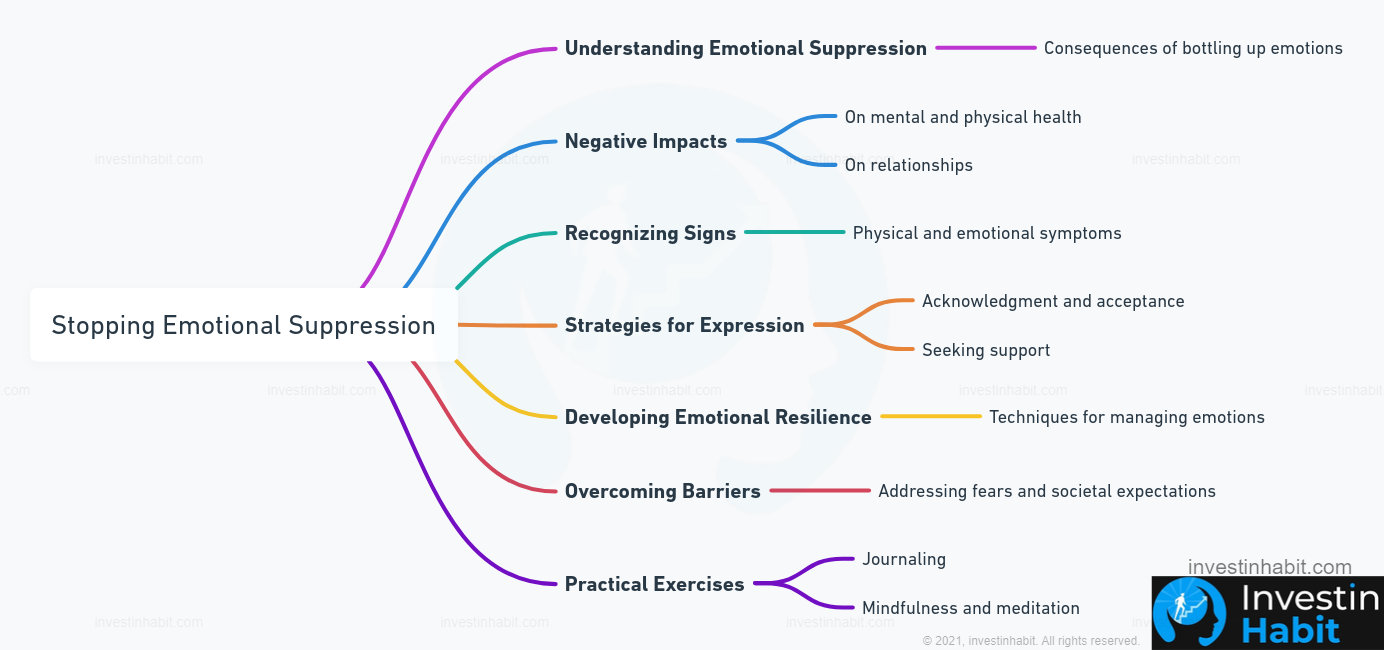
Inside this Article
Understanding Emotional Suppression

Have you ever felt like you’re holding back a flood of emotions, only to plaster on a smile and go about your day? If so, you’re not alone. Emotional suppression, or the act of consciously avoiding or downplaying our feelings, is something many of us do, often without even realizing it. It’s like putting a lid on a boiling pot, hoping it won’t spill over. But why do we do this?
At its core, emotional suppression is a survival mechanism. It’s our mind’s way of saying, “Now’s not a good time.” You might push away sadness to stay focused at work or hide your anxiety to avoid worrying others. These moments, though seemingly insignificant, add up and shape our emotional landscape.
But why is this so common? The reasons are as varied as we are. Psychologically, we might fear our emotions are too intense to handle, worrying they’ll overwhelm us or those around us. Socially, we’re often taught that some emotions are acceptable while others are not. How many times have you heard someone say, “Don’t cry,” as if showing sadness is a sign of weakness?
Culture plays a huge role, too. In some societies, emotional restraint is valued over expression, leading individuals to suppress their feelings to fit in. Similarly, our family environment can influence how we handle emotions. If we grew up in a household where feelings were rarely discussed, we might struggle to express our own.
On a personal level, our unique experiences and personality traits determine how we deal with emotions. Some of us might find it easier to share our feelings, while others keep them locked tight, fearing judgment or rejection.
Understanding these dynamics is crucial. It’s not about pointing fingers or assigning blame but recognizing the complex web of influences that shape how we express ourselves. By doing so, we can start to navigate our emotional world with more awareness and compassion.
So, I encourage you to reflect on your own experiences. What factors have influenced how you express your emotions? Remember, acknowledging our feelings is the first step toward a healthier emotional life. Let’s journey through this together, learning to embrace our emotions with open arms.

Transform Your Life with InvestInHabit

Ready for real change? Join us and get over:
- 200+ Personal Development Worksheets,
- 100+ Blog Post MindMaps
for FREE! 😍 + Our newsletter offers the latest in habit formation and self-improvement, straight to your inbox.
Subscribe now and Start redefining your mindset today! Join our community committed to success!
The Impact of Suppressing Emotions

Let’s talk about something important: the impact of keeping our emotions bottled up. It might seem like a good idea at the time—after all, who wants to be the person who’s always “too much”? But here’s the thing: consistently pushing down your feelings can have some pretty significant consequences, both for your mental and physical health, as well as your relationships. And I’m here to walk through this with you, shoulder to shoulder.
First up, let’s delve into the psychological effects. In the short term, you might feel a temporary relief from not dealing with your emotions. But over time, this can lead to increased stress, anxiety, and even depression. Imagine your mind like a garden. If you keep piling up leaves and never rake them, they’ll eventually smother the grass beneath. Your emotions work the same way; they need room to breathe, or they’ll start affecting your mental well-being.
Now, onto the physical side of things. It’s fascinating yet concerning how closely our emotional health is linked to our physical health. Chronic emotional suppression can weaken your immune system, making you more susceptible to illnesses. It can even contribute to more serious conditions like heart disease. Think of it as your body’s way of sending an SOS signal, telling you it’s time to address what’s happening inside.
But it doesn’t stop there. Your relationships and social interactions can also feel the strain. When you’re not expressing your emotions, it can create a barrier between you and the people you care about. They might feel you’re distant or detached, not because you want to be, but because you’re trying to manage your emotions alone. Communication is the bridge in relationships, and emotions are the vehicles that cross it. If those vehicles never make the trip, the bridge doesn’t serve its purpose.
I want you to know that it’s okay to feel, and it’s healthy to express those feelings. This isn’t about casting blame or feeling guilty for how we’ve handled our emotions in the past. It’s about understanding the effects and realizing that we have the power to change our approach. By facing our feelings, we’re not showing weakness; we’re building strength—strength that supports our mental and physical health, and enriches our relationships.
So, as we move forward, let’s remember that our emotions are a part of us, but they don’t have to control us. Together, we can learn healthier ways to express what we’re feeling, creating a brighter, more connected future for ourselves and those we share our lives with.
Recognizing Signs of Emotional Suppression
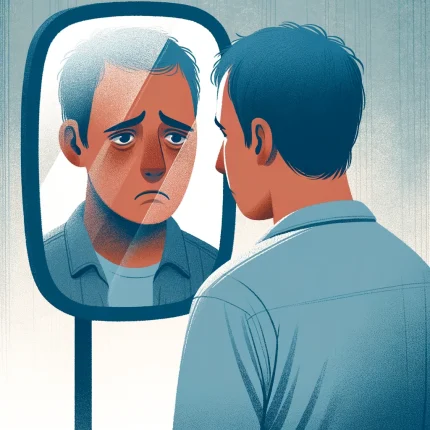
Hey there! Have you ever wondered if maybe, just maybe, you’re holding back your emotions more than you should? It’s something many of us do without even realizing it. But being able to spot the signs of emotional suppression is like being given a map when you’re feeling lost. It can guide you towards understanding yourself better and taking steps to manage your feelings in a healthier way. So, let’s explore this together and see what we can discover.
One of the first things to look out for is a pattern of avoiding conversations about how you’re feeling. Do you find yourself changing the subject whenever things get a bit too personal or emotional? Or maybe you’re someone who throws themselves into work or hobbies, anything really, as long as it keeps your mind off what’s really going on inside. These are classic diversions we use to keep our emotions at bay.
Then, there are the emotional signs. Feeling numb or detached can be a big red flag. It’s like you’re there, but not quite there, you know? And let’s not forget about those sudden mood swings. One minute you’re fine, and the next, you’re snapping at someone for the smallest thing. These can all be signs that you’re not dealing with your emotions head-on.
On the physical side, our bodies have a way of joining the conversation, even if we’re not speaking up. Headaches, stomach issues, or even just a general sense of being run down can all be your body’s way of saying, “Hey, we need to talk about this.” It’s pretty amazing how closely our physical health is linked to our emotional state.
Now, if you’re recognizing some of these signs in yourself, I want you to hear this: it’s okay. Really, it is. Recognizing these signs is the first step towards change. It’s not about feeling bad about yourself; it’s about gaining awareness and understanding that we all have room to grow.
Remember, we’re in this journey together, and it’s all about taking small steps towards being more in tune with our emotions. By acknowledging how we feel and expressing those feelings, we’re not just helping ourselves; we’re opening the door to deeper, more meaningful connections with others. So, let’s keep this conversation going and support each other in embracing our emotions, one step at a time.
Strategies to Stop Suppressing Your Feelings
Self-awareness and Acknowledgment

Alright, let’s get to the heart of the matter. It’s one thing to recognize that we’re suppressing our feelings, but what do we do about it? The first step, and arguably the most crucial, is developing self-awareness and acknowledging our emotions. It’s like becoming the captain of your own ship, understanding the waters you navigate. This isn’t about making an immediate 180-degree turn; it’s about gradual, meaningful change. Let’s dive into how you can start this journey.
The Importance of Recognizing and Accepting Your Emotions
Imagine your emotions are like messages popping up on your phone. Ignoring them won’t make them go away; they’ll just keep piling up until your inbox is overflowing. By acknowledging these messages, you’re taking the first step towards understanding yourself better. It’s about saying, “Yes, I’m feeling this, and it’s okay.” This recognition is powerful—it’s the foundation of emotional health and a more fulfilling life.
Techniques for Increasing Emotional Awareness
Now, for the practical part. How do we become more aware of our emotions? Here are a couple of techniques that I’ve found incredibly helpful, and I think you might too:
1. Journaling: This is like having a conversation with yourself on paper. It doesn’t have to be anything fancy or structured. Just take a few minutes each day to write down what you’re feeling and why you think you might be feeling that way. Over time, you’ll start to notice patterns and gain insights into your emotional world. It’s a simple tool, but its power cannot be overstated.
2. Mindfulness: This practice is all about being present in the moment, observing your thoughts and feelings without judgment. You can start with just a few minutes a day, focusing on your breath or doing a full-body scan. Mindfulness helps you create a space between your emotions and your reactions, giving you the clarity to understand your feelings better.
By incorporating these techniques into your daily routine, you’re not just stopping the cycle of suppression; you’re opening up a whole new dialogue with yourself. It’s a dialogue based on kindness, curiosity, and acceptance.
So, I encourage you to give these strategies a try. Be patient with yourself; this is a journey of self-discovery and growth. Remember, you’re not alone in this. We’re all learning and growing together, navigating the complex world of our emotions. Let’s continue to support each other, sharing our experiences and insights along the way.
Healthy Emotional Expression

So, we’ve chatted about recognizing and acknowledging our feelings, which is fantastic. Now, let’s talk about expressing those feelings in a way that’s healthy and constructive. It’s like once you’ve read those messages popping up on your emotional phone, how do you reply? How do you make sure you’re communicating in a way that’s authentic and beneficial, both for you and the people around you? This is where the art of healthy emotional expression comes into play.
Ways to Express Emotions Constructively
Expressing your emotions constructively is all about finding positive outlets. Here are a couple of ways that have helped many people, including myself, and might resonate with you:
1. Communication: This is key. It’s about finding a way to share your feelings that’s respectful and considerate of both you and the listener. It can be as simple as saying, “I feel…” and explaining your emotion without blame or judgment. Remember, it’s not just about what you say but how you say it. Taking the time to communicate effectively can strengthen your relationships and help you feel heard and understood.
2. Creative Outlets: Ever felt better after doodling, writing a poem, or belting out your favorite song? That’s because creative expression is a powerful way to process and express emotions. Whether it’s art, music, writing, or any other form of creativity that speaks to you, these activities offer a safe space to explore and share your feelings. Plus, you get to create something beautiful in the process!
The Role of Vulnerability and Honesty in Emotional Expression
Now, diving a bit deeper, vulnerability and honesty are the heart and soul of healthy emotional expression. Being vulnerable means allowing yourself to be seen, truly seen, with all your emotions, even those you might consider ‘messy’ or ‘uncomfortable.’ It’s about opening up, knowing that it’s okay not to be okay all the time.
And let’s talk about honesty. This is about being true to yourself, acknowledging your feelings for what they are, and not dressing them up to be more palatable for someone else. It’s the difference between saying, “I’m fine” when you’re anything but, and admitting, “I’m struggling and could use some support.”
I know, embracing vulnerability and honesty can feel daunting. It’s like standing on the edge of a diving board, preparing to jump into unknown waters. But the beauty of this leap is that it leads to genuine connections and a deeper understanding of yourself.
So, I encourage you to take that step, to express your emotions openly and constructively. Remember, you’re not doing this alone. We’re all learning, growing, and diving into those emotional waters together. And as we share our stories and listen to each other, we create a community of support, understanding, and genuine connection. Let’s keep the conversation going, exploring the vast landscape of our emotions with courage, compassion, and a bit of creativity.
Seeking Support

Now, let’s chat about something super important but often overlooked: seeking support. It’s like when you’re assembling a piece of furniture with those seemingly impossible instructions; sometimes, you just need someone to help read the directions or hold a piece in place. Emotional support works the same way. It’s about having someone there to help you navigate through your feelings, offering a hand to hold or an ear to listen when you need it most.
The Importance of Social Support
Having a strong support network, whether it’s friends, family, or both, is like a safety net for your emotional well-being. These are the people who know you, care about you, and are there for you, even when you’re having a tough time expressing what you’re going through. They offer different perspectives, help lighten the load, and remind you that you’re not alone. Sometimes, just knowing there’s someone you can turn to can make all the difference.
And it’s not just about having people to lean on during tough times. Positive social support can also amplify your joy in the good times, making those moments even more special and meaningful.
How to Seek It
Reaching out can feel daunting, especially if you’re used to keeping things to yourself. But it’s okay to start small. It could be as simple as sending a text to a friend saying, “Hey, can we talk? I’m going through a rough patch.” Or maybe joining a support group, where you can meet others who are experiencing similar feelings. These steps, though they may seem small, are giant leaps towards building your support network.
When to Seek Professional Help
Sometimes, though, we need a bit more than what our immediate circle can offer. If you’re feeling overwhelmed, stuck, or just unsure where to turn, it might be time to seek professional help. Therapists and counselors are trained to help you navigate your emotions, offering tools and strategies to manage them in a healthy way. Think of them as guides on your emotional journey, someone who can help you map out a path and support you as you walk it.
Knowing when to seek professional help is a sign of strength, not weakness. It shows a willingness to take charge of your emotional health and do what’s best for you. So, if you’re considering this step, I’m here to say, “Go for it.” It could be one of the most rewarding decisions you make for yourself.
Remember, seeking support, whether through friends, family, or professionals, is an act of courage. It’s about embracing vulnerability and acknowledging that we all need help sometimes. And as we open up to those around us, we not only strengthen our own emotional resilience but also build deeper, more meaningful connections with others.
So, let’s keep this conversation going. Reach out, offer support, and don’t hesitate to seek it when you need it. Together, we can navigate the complex world of our emotions, supporting each other every step of the way.
Developing Emotional Resilience

Alright, let’s take a moment to talk about something that’s a real game-changer: developing emotional resilience. Think of resilience as your emotional muscle, something that helps you bounce back from life’s challenges stronger than before. It’s about not just surviving the storms but learning how to dance in the rain. So, how do we build this incredible strength? Let’s dive in together.
Strategies for Building Resilience
Building emotional resilience doesn’t happen overnight. It’s a process, a journey that involves practice, patience, and persistence. Here are some strategies that can help you along the way:
1. Embrace Change: Life is full of change, and learning to adapt is a key part of building resilience. It’s about finding the silver lining, looking for the opportunities in every challenge, and keeping a positive outlook even when the going gets tough.
2. Stay Connected: Remember how we talked about seeking support? Well, maintaining strong, healthy relationships is also vital for resilience. These connections provide comfort and strength, reminding us that we’re not alone, no matter what life throws our way.
3. Set Realistic Goals: Break down your big dreams into smaller, manageable steps. Achieving these can give you a sense of accomplishment and a confidence boost, making it easier to tackle the next challenge.
4. Take Care of Yourself: This is huge. Emotional resilience is closely tied to physical well-being. Eating well, getting enough sleep, exercising regularly – these all play a part in how well you handle stress and bounce back from setbacks.
The Importance of Self-Care and Maintaining Emotional Health
Self-care isn’t just a buzzword; it’s a crucial component of emotional resilience. It’s about doing things that nourish your mind, body, and spirit. Whether it’s reading a book, taking a long bath, meditating, or spending time in nature, find what makes you feel recharged and make it a priority.
And when it comes to maintaining emotional health, think of it as ongoing maintenance rather than a one-time fix. It’s about checking in with yourself regularly, being mindful of your needs, and making adjustments as necessary. This proactive approach can help you navigate life’s ups and downs with grace and strength.
I want you to know that developing emotional resilience and prioritizing self-care are some of the most loving things you can do for yourself. It’s not selfish; it’s essential. By taking care of your emotional well-being, you’re not only better equipped to face life’s challenges but also to enjoy its many joys and wonders.
So, let’s commit to building our emotional resilience, to taking care of ourselves, and to approaching life with an open heart and an unwavering spirit. Together, we can face anything life throws our way, growing stronger and more resilient with each step.
Overcoming Barriers to Emotional Expression

Navigating the journey of emotional expression isn’t always smooth sailing. Sometimes, it feels like there are roadblocks every step of the way. Fear of judgment, feeling vulnerable, and other barriers can make us hesitant to open up. But guess what? You’re capable of overcoming these hurdles, and I’m here to guide you through it. Let’s break down these walls together, shall we?
Addressing Fear of Judgment and Vulnerability
The fear of being judged is a biggie. It’s like a shadow that follows us around, whispering doubts every time we think about opening up. And then there’s vulnerability, which feels like standing on a stage with a spotlight shining right on us. But here’s a little secret: vulnerability is not a weakness; it’s a strength. It’s the birthplace of connection, creativity, and change.
1. Normalize Sharing Emotion: Start by reminding yourself that emotions are a universal part of the human experience. Everyone feels, and everyone struggles. By sharing, you’re not doing anything out of the ordinary; you’re just being human.
2. Choose a Safe Space: Look for environments where you feel comfortable and supported. This could be with a close friend, a family member, or even a support group where openness and empathy are part of the culture.
3. Practice Self-Compassion: Be kind to yourself. Recognize that it’s okay to feel scared or vulnerable when expressing emotions. These feelings don’t define your strength or worth.
Tips for Creating a Supportive Environment for Expressing Emotions
Creating a space where emotions can be freely expressed is like planting a garden. It requires preparation, care, and the right conditions to thrive. Here are some tips to cultivate this environment:
1. Set the Tone with Open Communication: Encourage open, honest communication in your relationships. Make it known that it’s okay to talk about emotions, both the comfortable and the uncomfortable ones.
2. Active Listening: Be an active listener when someone shares with you. Offer your full attention, withhold judgment, and provide encouragement. This can make a world of difference in how safe someone feels in expressing themselves.
3. Offer Reassurance: Sometimes, all someone needs is a bit of reassurance that they’re not alone, that their feelings are valid, and that you’re there for them. A simple “I understand,” or “I’m here for you,” can be incredibly powerful.
4. Lead by Example: Be a role model for emotional expression. By showing your own willingness to be vulnerable and open, you inspire others to do the same.
Remember, overcoming barriers to emotional expression isn’t about erasing fear or vulnerability. It’s about moving forward despite them, armed with the knowledge that your emotions are valid, valuable, and worthy of being heard. Together, we can create a world where expressing our feelings is not just accepted but celebrated.
So, let’s keep pushing forward, breaking down barriers, and building spaces where our emotions can blossom. Because when we allow our true selves to shine through, we illuminate the path for others to do the same.
Conclusion

We’ve journeyed together through the complex landscape of emotions, exploring the importance of expressing them for our overall well-being. By now, I hope you see that letting out your feelings isn’t just about offloading emotional baggage; it’s about creating a richer, more vibrant life. Emotions, in all their messiness and beauty, are what make us deeply human. They connect us to ourselves and to each other, weaving the rich tapestry of our shared human experience.
Remember, taking steps toward healthier emotional expression is a courageous act—one that you’re more than capable of embarking on. Whether it’s acknowledging your feelings, sharing them with others, or seeking support when needed, each step is a move towards a more fulfilling life. So, I encourage you—embrace your emotions, lean into vulnerability, and let your true self be seen. The world is richer with your emotional honesty in it.
Resources
To support you on this journey, here are some resources that can provide further guidance and insight into managing and expressing your emotions:
Books:
- “Emotional Agility” by Susan David — A guide to managing our emotions with self-compassion and courage.
- “The Language of Emotions” by Karla McLaren — Offers insights into understanding and learning to work with your emotions.
- “Daring Greatly” by Brené Brown — Explores the power of vulnerability in creating strong connections and living a full life.
Websites:
- The American Psychological Association ([apa.org]— Offers resources on a wide range of mental health topics, including emotional wellness.
- Mindful ([mindful.org]— Provides articles, practices, and resources on mindfulness and emotional health.
- The Mighty ([themighty.com] — A supportive community and collection of stories about mental health, including personal experiences with emotional challenges.
Organizations:
- National Alliance on Mental Illness (NAMI) — Offers support and education for individuals and families dealing with mental health issues.
- Mental Health America (MHA) — Provides resources for understanding and improving mental health, including tools for emotional wellness.
- Crisis Text Line — A free, confidential text message service for people in crisis, providing immediate support and connection to resources.
Emotional expression is a journey, not a destination. It’s about continuous growth, understanding, and connection. As you move forward, remember you’re not alone. There’s a whole world of support and resources out there, ready to help you navigate the complexities of your emotions. Here’s to your journey towards emotional health and a life rich with authentic expression.
Transform Your Habits, Transform Your Life
Are you ready to turn the page to a new chapter in your life?
Stop dreaming, start achieving. Our exclusive newsletter delivers:
- Science-backed hacks: Master the psychology of habit formation used by CEOs and Olympians.
- Actionable strategies: No fluff, just practical steps to crush procrastination and dominate your goals.
- + a FREE surprise bonus 🎁 to jumpstart your transformation!
Don’t settle for mediocre. Subscribe now!