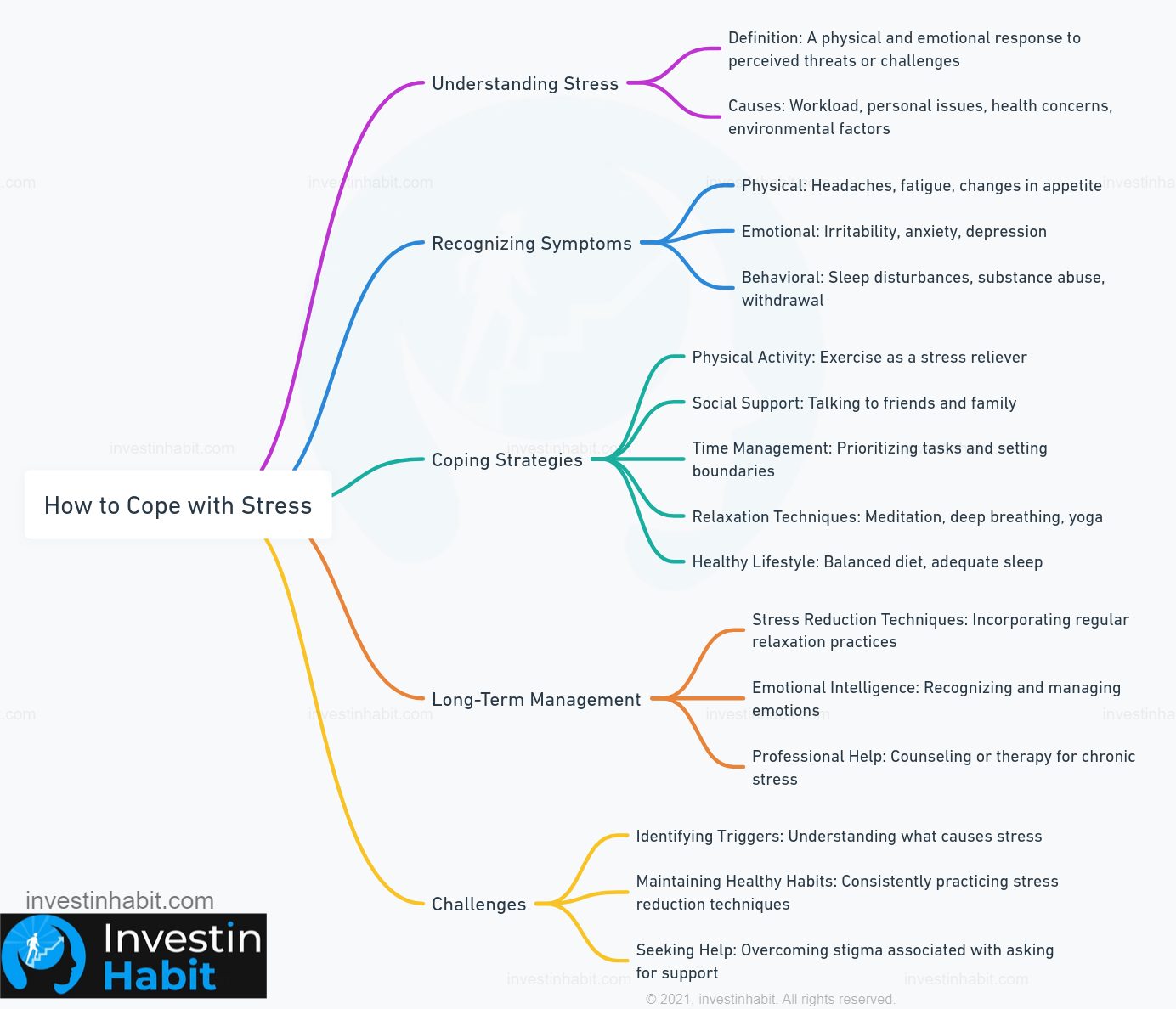
In today’s fast-paced world, stress has become a constant companion in our lives, often lurking unnoticed until it manifests in ways that can no longer be ignored. From the pressures of balancing work and personal life to the relentless pace of technological advancements, stress is an ever-present reality for many. Its impact is not just a fleeting emotional experience; stress profoundly affects both our physical and mental well-being, shaping our day-to-day lives in significant ways.
But here’s the good news: managing stress is not an insurmountable task. In fact, with the right tools and understanding, it can be transformed from a daunting challenge into an achievable goal. That’s exactly why we’ve crafted this blog – to arm you with practical, effective strategies that can help you navigate the choppy waters of stress with greater ease and resilience.
Whether you’re feeling the weight of daily pressures or facing unique challenges, our aim is to guide you towards a path of stress relief and wellness, one step at a time. So, let’s embark on this journey together and uncover the secrets to coping with stress, transforming it from a foe into an opportunity for personal growth and balance.
Inside this Article
Understandoing Stress
Have you ever stopped to think about what stress really is? It’s like an uninvited guest that often overstays its welcome, affecting our bodies and minds in more ways than we might realize. Let me break it down for you.
Stress, in its simplest form, is your body’s response to any demand or challenge. When you face a tough situation, your body releases a cocktail of chemicals like adrenaline and cortisol. This is what gives you that familiar burst of energy, the so-called “fight or flight” response. Physically, you might notice your heart racing or your breathing quickening. Mentally, stress can cloud your thoughts, affect your mood, or even disrupt your sleep.
Now, let’s talk about what causes stress. It’s a smorgasbord of things, really. Work deadlines, financial woes, relationship hiccups – you name it. Each of us has our own stress triggers, and they can sneak up on us in our daily lives more often than we’d like to admit. It’s like walking a tightrope sometimes, isn’t it?
But here’s a twist: not all stress is bad. Surprised? There’s actually a type of stress called ‘eustress’ – think of it as the helpful cousin of stress. This is the kind of stress that propels you to finish a project on time or gives you a burst of energy to perform well in a sport. Eustress is generally short-term and leaves you feeling motivated and focused.
On the flip side, there’s ‘distress,’ the kind of stress that feels overwhelming and unmanageable. This is the one that can lead to health issues if it hangs around too long. Unlike eustress, distress can drain your energy, leaving you feeling anxious or down.
Understanding the difference between these two types of stress is crucial. It helps you recognize when it’s a helpful nudge versus when it’s time to take a step back and seek relief. Think of it as learning to ride the waves of stress, rather than letting them knock you over. And that’s what I’m here to help you with! So, let’s roll up our sleeves and dive into the world of managing stress, ensuring you can tell the difference between a helpful push and an overwhelming force. Stay tuned for some effective, doable strategies to keep your stress in check!
Transform Your Life with InvestInHabit
Ready for real change? Join us and get over:
200+ Personal Development Worksheets,
100+ Blog Post MindMaps
for FREE! 😍 + Our newsletter offers the latest in habit formation and self-improvement, straight to your inbox.
Subscribe now and Start redefining your mindset today! Join our community committed to success!
Recognizing the Symptoms of Stress
You know, recognizing stress isn’t always as straightforward as spotting a red light on your car’s dashboard. It’s often more subtle, creeping up on us in ways we might not immediately link to stress. Let’s shine a light on these symptoms so you can spot them from a mile away!
First up, let’s chat about the physical signs. Ever had one of those nagging headaches that just won’t quit? Or felt like your muscles are tighter than a drum? Yep, that’s stress knocking on your body’s door. It can also show up as fatigue, stomach issues, or even a racing heart. These are your body’s not-so-subtle ways of saying, “Hey, something’s up!”
Now, let’s talk emotions. Stress can be a bit of a drama queen in this department. It can make you feel like you’re riding an emotional rollercoaster, complete with anxiety, irritability, or even sadness. Ever found yourself snapping over the smallest things or feeling unusually anxious? That could be stress pulling the strings.
But wait, there’s more! Stress also loves to mess with our behaviors. Notice any changes in your eating habits lately? Maybe you’re munching more than usual or suddenly your appetite’s taken a vacation. How about your sleep? If you’re tossing and turning more than a salad at a health spa, stress might be playing a role. Even your go-to hobbies might not seem as appealing when you’re stressed out.
I want you to think of these symptoms as your body and mind’s way of sending you a text message, saying, “Hey, can we talk?” It’s important to listen to these signals. They’re the first step in acknowledging that you need to take action. And don’t worry, you’re not alone in this. We’re going to explore some great ways to tackle these symptoms head-on. So, stick with me, and let’s turn you into a stress-spotting ninja!
Immediate Stress Relief Techniques
Alright, now that we’ve spotted the pesky symptoms of stress, let’s jump into some superhero-style techniques to zap it away instantly. You don’t need a cape for these, just a few minutes and an open mind!
Let’s start with a classic: deep breathing exercises. You might be thinking, “Breathing? Really?” But trust me, it’s like a magic wand for your nervous system. When you take deep, slow breaths, it sends a message to your brain to chill out and relax. And the brain, being the good listener it is, passes this message on to your body. Why not try it now? Inhale deeply, count to four, then exhale slowly. Feel a bit better? That’s your body saying “thank you.”
Next up, let’s talk about mindful breaks. These are like mini-vacations for your mind during a busy day. It could be as simple as stepping away from your desk, savoring a cup of tea, or just staring out the window for a few minutes. The key is to be fully present in the moment. It’s like hitting the pause button on life’s remote control, giving your mind a chance to recharge. Imagine it as a “system reboot” for your brain.
Last but not least, stretching or yoga poses. Now, I’m not saying you need to become a yoga guru or do headstands in your office. Even simple stretches at your desk can work wonders. Try reaching up to the sky, or gently twisting your torso while sitting. These movements help release muscle tension (remember those tight muscles we talked about?) and improve blood flow. It’s like giving your body a gentle wake-up call, reminding it to relax.
So there you have it – three powerful, immediate stress-relief techniques. Deep breathing to calm the storm inside, mindful breaks to refresh your mind, and stretching to ease your body. I encourage you to give these a try next time stress tries to crash your party. And remember, like any good habit, the more you practice these techniques, the better they work. Onwards to a more relaxed you!
Long-Term Stress Management Strategies
Alright, let’s shift gears and think long-term. Imagine you’re building a fortress against stress – it’s not just about the quick fixes but also about laying down strong foundations. These strategies are your bricks and mortar. Let’s dive in!
First up, regular physical activity. Now, I know what you might be thinking: “Exercise? I barely have time to breathe!” But hear me out. Exercise isn’t just about getting fit or losing weight; it’s a powerhouse when it comes to busting stress. When you’re physically active, your body releases endorphins, those feel-good hormones that are natural stress fighters. Whether it’s a brisk walk, a dance class, or just playing with your kids, find something that gets you moving and makes you happy. Think of it as a daily dose of joy and stress relief.
Next, let’s talk food – because who doesn’t love food, right? But here’s the thing: what you eat impacts how you feel. Stress eating isn’t just a phrase; it’s real. Instead of reaching for sugary snacks or caffeine when you’re stressed (which, let’s be honest, can make things worse), try nourishing your body with balanced, wholesome foods. Fresh fruits, veggies, lean proteins, and whole grains can be your allies in managing stress. It’s like fueling your body with premium gas instead of regular unleaded.
And now, the unsung hero of stress management: sleep. Good, restful sleep is like a nightly reset button for your brain and body. When you skimp on sleep, it’s harder to handle stress, and everything feels like climbing a mountain. Aim for 7-9 hours of quality sleep each night. Yes, binge-watching your favorite show can wait (tough love, I know). Create a calming bedtime routine, keep your bedroom cool and dark, and try to stick to a regular sleep schedule. Think of it as tucking your stress in for the night and saying, “See you never!”
So there you have it. Regular exercise, healthy eating, and adequate sleep are your long-term allies in the battle against stress. Think of these strategies as investments in your stress-proof fortress. The more you build on them, the stronger your defenses will be. And remember, I’m right here with you, laying those bricks one by one. Let’s build something strong and resilient together!
Stress can be a real party-pooper, so it’s important to cut it off at the pass. Limiting alcohol intake can help you stay focused and productive, even when things get hectic.
Those illegal substances might seem like they’ll give you a temporary escape from stress, but they’ll only make things worse in the long run. Avoid them altogether and stick to healthy coping mechanisms.
Smoking, vaping, and other tobacco products are like adding fuel to the fire. They’ll only make your stress levels soar, so kick those habits to the curb and start breathing easy.
Now, let’s embark on a journey to the serene world of mindfulness and meditation. Picture this: amidst the hustle and bustle of your daily life, there’s a tranquil space where you can find calm and clarity. That’s what mindfulness and meditation are all about.
First off, what is mindfulness? It’s the art of being fully present and engaged in the moment, aware of your thoughts and feelings without distraction or judgment. It’s like being the director of your own mental movie, choosing to focus on what matters in the now. The beauty of mindfulness is its simplicity and its power in reducing stress. It helps you break free from the endless loop of ‘what ifs’ and ‘should haves’ that often fuel stress.
Now, let’s talk meditation. If mindfulness is the destination, meditation is the path that gets you there. And don’t worry, you don’t need to be a Zen master to start. Meditation can be as simple as sitting quietly for a few minutes each day, focusing on your breath. Every time your mind wanders (and it will – that’s normal), gently bring your focus back to your breathing. It’s like training a puppy to sit; it takes patience and gentle guidance.
But how do you weave this into your daily life? It’s easier than you think. You could start with a few minutes of meditation each morning. It sets a calm tone for the day ahead. Or try mindful walking – being aware of each step when you walk to your car or the bus stop. Even mindful eating – savoring each bite of your food – can be a form of meditation.
Incorporating mindfulness and meditation into your routine is like planting a garden of tranquility in your mind. It grows over time, providing a space of calmness and clarity amidst life’s chaos. And the best part? You can visit this mental oasis anytime you need a break from stress. So, let’s take this step together, cultivating a mindful life, one breath at a time. Ready to begin this peaceful journey? Let’s go!
Seeking Professional Help
Now, let’s have a heart-to-heart about something super important – knowing when it’s time to reach out for professional help with stress. Think of it as calling in the experts when you’ve tried fixing the leaky faucet (a.k.a. stress) but it’s still dripping.
First off, how do you know it’s time to seek help? If stress is like a backpack you’re carrying, it’s time to seek help when that backpack feels so heavy that it’s hard to keep walking. You might feel overwhelmed, unable to cope with daily life, or notice that your physical health is suffering. Remember, asking for help isn’t a sign of weakness; it’s a brave step towards taking care of yourself.
Now, about therapy options. One superhero in the world of therapy is Cognitive-Behavioral Therapy (CBT). It’s like having a mental toolkit that helps you reframe negative thoughts and develop healthier ways of coping with stress. CBT is about understanding how your thoughts, feelings, and behaviors are interconnected and learning strategies to manage them more effectively. It’s like learning to navigate your mind’s maze with a map and a flashlight.
And then, there’s the topic of medication. Sometimes, when stress morphs into anxiety or depression, medication might be part of the game plan. It’s like using a stabilizing anchor while you work on other aspects of stress management. But remember, medication isn’t a one-size-fits-all solution and should always be discussed and managed by a healthcare professional.
Seeking professional help for stress is like assembling a team of allies to help you in your journey. It’s about getting the right support at the right time, tailored just for you. And hey, there’s absolutely no shame in that game. We all need a helping hand sometimes, right? So, if you’re feeling like it’s time to reach out, I’m cheering you on. Go on, take that step. You’ve got this, and there’s a whole team ready to support you on this journey!
Building a Support System for Stress Management
Let’s talk about one of the most powerful tools in your stress-busting toolkit – building a strong support system. It’s like constructing a safety net of people who catch you when you fall and cheer you on when you soar.
First things first, why is social support so crucial in managing stress? Picture this: stress is a stormy sea, and your support system is your lifeboat. Friends, family, colleagues – they can provide a listening ear, a comforting word, or a different perspective that helps you navigate through choppy waters. It’s about knowing you’re not alone in your journey.
So, how can you strengthen your relationships and build this supportive community? It starts with reaching out. Grab coffee with a friend, call a family member, join a club or group that shares your interests. It’s about making connections and nurturing them, like tending to a garden. And remember, it’s a two-way street. Be there for others, too; sometimes, the best way to strengthen a bond is to offer support.
And don’t forget the digital world! There’s a treasure trove of online resources and support groups dedicated to stress management. These can be especially great if you’re not ready or able to seek face-to-face support. Online communities offer anonymity, convenience, and a wealth of shared experiences and advice. It’s like having a 24/7 support system at your fingertips.
Building a support system is about weaving a network of relationships that uplift and sustain you. It’s about surrounding yourself with people who light up your world, even when it feels a bit dim. And hey, while you’re at it, you might just light up someone else’s world, too. Remember, we’re social creatures, and there’s immense strength in unity. So let’s build those connections, nurture them, and watch how they help us triumph over stress. Together, we’re stronger!
Conclusion
So, here we are at the end of our journey through the world of stress management. What a ride, right? Let’s take a moment to reflect on the key points we’ve explored together.
We kicked off with understanding what stress is and how it shows up in our lives, both physically and emotionally. Recognizing those signs is like being a detective in your own life – it’s the first step to managing stress effectively.
Then, we dived into the quick-fixes – deep breathing, mindful breaks, and stretching – your go-to tools for immediate stress relief. Think of these as your stress first aid kit, always there when you need a quick dose of calm.
We also built our long-term strategies: regular exercise, a balanced diet, and quality sleep. These are the cornerstones of not just stress management, but a healthy, happy life.
Next, we explored the peaceful realms of mindfulness and meditation – your secret weapons in cultivating a calm and present mind.
We touched on the importance of seeking professional help when stress feels too heavy to handle alone. Remember, reaching out is a sign of courage and strength.
And finally, we talked about the power of a strong support system. Building and nurturing relationships can be one of the most rewarding and effective ways to manage stress.
Now, it’s over to you. I encourage you to experiment with these strategies and find what resonates with you. Each of us is unique, and what works for one person might not work for another – and that’s perfectly okay. The important thing is to start, to take that first step, and to keep moving forward.
Remember, managing stress is not about eliminating it completely; it’s about learning how to navigate it, how to balance it with the joys and challenges of life. And in doing so, you’re not just surviving; you’re thriving.
So, go ahead, give these techniques a try, and be kind to yourself in the process. And never forget, seeking help is a sign of strength, not weakness. You’re not alone in this journey, and every step you take towards managing stress is a step towards a healthier, happier you. Keep going, you’ve got this!
Transform Your Habits, Transform Your Life
Are you ready to turn the page to a new chapter in your life?