

Have you ever felt like you’re speaking different languages, even though you’re using the same words? The truth is, navigating the world of communication can be surprisingly complex. Each of us carries unique preferences and styles of how we like to receive and express information. Recognizing and respecting these diverse communication needs is key to building strong relationships, fostering collaboration, and avoiding misunderstandings.
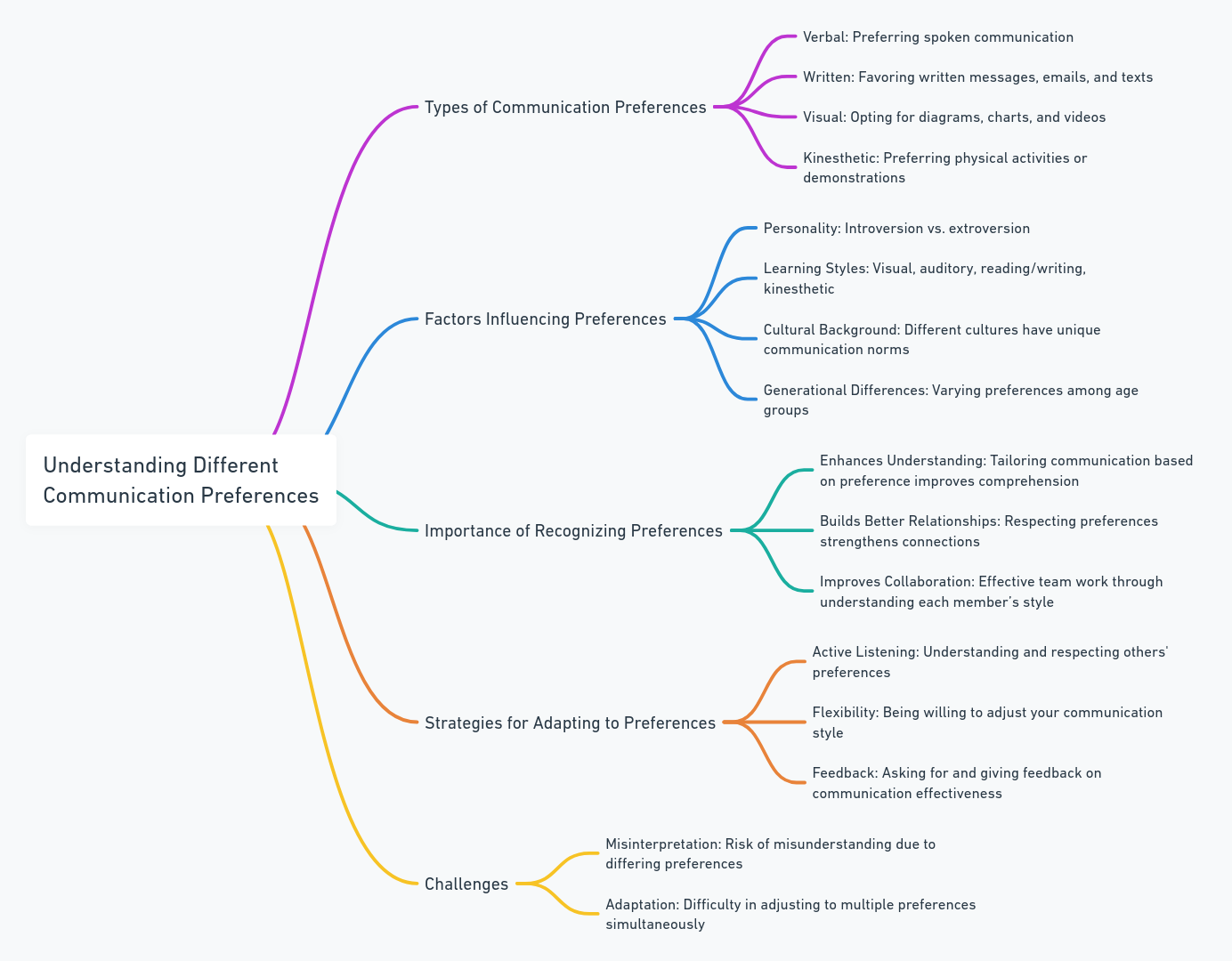
In this post, we’ll delve into the fascinating realm of personal communication preferences. We’ll embark on a journey through the following key areas:
- Exploring the Spectrum of Openness: We’ll discover how much someone prefers to share openly and directly, and how to effectively communicate with individuals across this spectrum.
- Understanding Space and Independence: We’ll delve into the varying needs for space and interaction, and explore strategies for respecting boundaries while maintaining connection.
- Navigating Preferred Communication Mediums: We’ll explore the different communication channels people favor, such as face-to-face interactions, texts, emails, and phone calls, and how to adapt your communication based on these preferences.
- Exploring Frequency and Timing: We’ll understand how often individuals prefer to communicate, and how to navigate relationships with those who have different communication frequencies.
- Communication in Emotional Contexts: We’ll learn how people’s communication needs differ during times of joy, stress, or sadness, and explore strategies for offering support that resonates with their preferences.
- Adapting Communication Strategies: We’ll equip you with tools to assess communication preferences and adjust your approach to build stronger connections.
- Overcoming Challenges and Enhancing Relationships: We’ll address common communication pitfalls and explore solutions for fostering understanding and empathy.
By understanding and appreciating the beautiful tapestry of communication preferences, we can create a world where everyone feels heard, valued, and empowered to connect effectively. Let’s embark on this journey together and unlock the secrets to better communication!

Inside this Article
The Spectrum of Openness in Communication


As we delve deeper into the intricacies of communication, we uncover another vital aspect: the balance between needing space and seeking close connections. It’s a dance between independence and intimacy, and getting the steps right can truly transform our relationships. Let’s explore how we can identify and respect these needs, ensuring we’re providing just the right amount of space or closeness to those we care about.
Need for Space
Have you ever noticed moments when a friend or family member seems a bit more distant, or perhaps you’ve felt the need for some breathing room yourself? It’s a natural part of the ebb and flow of our social lives. Recognizing the signs that someone needs space is crucial for maintaining healthy, respectful relationships.
Identifying Signs: It might be shorter responses to your messages, a decrease in initiation of plans, or simply a verbal request for some time alone. These are all ways people express their need for space, signaling a time for personal reflection or just a pause from social interaction.
Respecting and Accommodating the Need for Space: The golden rule here is respect. If you sense someone pulling back, give them the room they need without taking it personally. It’s about understanding that this space is essential for their well-being. Check in with them gently, let them know you’re there when they’re ready to reconnect, and ensure they feel supported, not pressured.
Close-Knit Communication
On the flip side, some of us thrive on close and frequent interactions, finding joy and security in those steady exchanges. Recognizing and nurturing these connections is just as important as respecting the need for space.
Characteristics: These are the people who love regular check-ins, sharing experiences as they happen, and feeling connected through daily interactions. Their openness and enthusiasm for sharing life’s moments can be incredibly warming and invigorating.
Balancing Closeness with Respect for Boundaries: Even in the closest of relationships, boundaries are key. It’s about finding that sweet spot where both parties feel connected but not overwhelmed. Communication is your best tool here. Discussing each other’s needs and preferences openly can help ensure that no one feels smothered or neglected. Remember, it’s perfectly okay to ask for time together, just as it’s okay to need time apart.
Navigating the spectrum between needing space and seeking closeness is about tuning into the nuances of our relationships, listening attentively to what our loved ones are saying (or not saying), and responding with empathy and understanding. By doing so, we not only respect their needs but also deepen our connections, creating a more fulfilling and balanced dynamic for everyone involved.
Preferred Communication Mediums

Frequency and Timing of Communication

When it comes to the rhythm of our interactions, we all march to the beat of different drums. Some of us love the constant buzz of communication, while others may find solace in the quiet moments, cherishing less frequent but more meaningful exchanges. Let’s chat about how we can navigate these waters, ensuring that whether you’re someone who thrives on regular check-ins or values space, you feel understood and respected.
High Frequency Communicators
First up, let’s talk about those who love staying in touch. You know, the ones who light up your phone with texts, calls, and updates throughout the day. They’re often energized by this constant flow of interaction, feeling connected and cared for through these frequent exchanges.
Navigating Relationships: If you’re close to a high frequency communicator, it’s important to embrace their style while also being honest about your own needs. It’s all about finding a happy medium where both of you feel comfortable and connected.
Setting Healthy Boundaries: But what if you’re on the opposite end of the communication spectrum? It’s okay to set boundaries. Openly discussing your needs and finding a compromise, like scheduled check-ins or a heads-up before a call, can help maintain a healthy balance without dampening the connection.
Low Frequency Communicators
Now, let’s shift gears to those who prefer the less-is-more approach to communication. These individuals often find too much contact to be overwhelming, opting instead for occasional, more substantial interactions.
Understanding the Low Need for Frequent Communication: Recognizing that this isn’t about disinterest but rather a different style of connecting is key. These folks often invest deeply in their interactions, seeking quality over quantity.
Maintaining Connection Without Overwhelming: For those who love a low frequency communicator, patience and understanding are your best friends. Respect their need for space by focusing on the richness of your conversations rather than the frequency. Finding creative ways to stay connected, like sharing a weekly highlight reel or sending thoughtful messages, can keep the bond strong without overstepping their comfort zone.
Whether you’re a high frequency communicator, prefer a more measured pace, or find yourself somewhere in between, the heart of the matter is respect and understanding. By openly discussing and acknowledging each other’s preferences, we can foster relationships that feel fulfilling and balanced, no matter the frequency of our exchanges. It’s about ensuring that everyone feels heard, valued, and connected, in the way that suits them best.
Communication in Emotional Contexts

When we navigate the sea of our emotions, the way we communicate takes on new depths and complexities. During these times, our needs can vastly differ, falling somewhere between seeking support and seeking solitude. Understanding these needs, whether they’re our own or those of someone we care about, is crucial in providing the right kind of support. Let’s gently explore this together, shall we?
Support Seeking vs. Solitude Seeking
Have you ever felt a strong urge to talk it out when you’re going through a tough time? Or perhaps you’re someone who prefers to retreat, needing space to process your feelings on your own? This isn’t by chance. It’s all about how we’re wired and what we find most comforting in moments of emotional distress.
How People Differ:
- Support Seekers often find solace in sharing their worries and venting their frustrations. It’s not just about seeking advice; it’s about feeling heard, validated, and less alone in their struggles.
- Solitude Seekers, on the other hand, may prefer to internalize their feelings, finding strength in solitude. For them, too much external input can feel overwhelming, making it hard to sort through their emotions.
Strategies for Providing Support According to Individual Preferences
For Support Seekers:
- Listen Actively: Sometimes, all they need is a listening ear. Show them you’re there, fully present, and engaged in what they’re sharing.
- Validate Their Feelings: Acknowledge their emotions without judgment. A simple “I can see why you’d feel that way” can go a long way.
- Offer Help, But Don’t Push: Ask how you can support them. They may need advice, help finding resources, or just someone to sit with them in their moment of need.
For Solitude Seekers:
- Respect Their Need for Space: Let them know you’re there when they’re ready to talk, but don’t take offense if they’re not reaching out as much.
- Offer Subtle Support: Sometimes, knowing someone is there, even from a distance, is comforting. A text saying, “Thinking of you, here if you need me” can mean the world.
- Be Patient: When they’re ready to open up, listen without pushing them to share more than they’re comfortable with.
Navigating emotional contexts with sensitivity and understanding can strengthen your connections, offering a safe haven whether someone needs a shoulder to lean on or space to heal. Remember, the most important thing is to communicate your presence and your willingness to support them in the way they find most comforting. It’s these moments of empathy and understanding that truly deepen our bonds with one another.
Adapting Communication Strategies

As we journey through the diverse landscape of communication, we arrive at a crucial skill that can truly transform our interactions: adapting our communication strategies. Whether it’s in our personal lives or professional settings, understanding and adjusting to the varied communication preferences of those around us can lead to more meaningful and effective connections. Let’s dive into how you can become adept at this, shall we?
Assessing Communication Preferences
First things first, identifying the communication preferences of others is like being a detective in the world of interpersonal relationships. It’s about paying attention to the clues and cues that people give us about how they like to communicate.
Tips for Identifying Others’ Communication Preferences:
- Observe: Pay attention to how they communicate with you and others. Do they prefer emails, texts, or face-to-face conversations?
- Listen: When they express a preference for a particular communication method, take note. It’s often stated directly or indirectly through their feedback.
- Ask: There’s no harm in directly asking how they prefer to communicate, especially in a new or evolving relationship. It shows respect and consideration for their comfort.
Adjusting Your Communication Approach
Now, adapting your communication style doesn’t mean losing your authenticity; it’s about flexibly adjusting to create a bridge between your natural style and theirs for more effective interaction.
Practical Strategies for Adapting Your Communication Style:
- Match Their Medium: If they prefer texts over calls, adapt accordingly. It shows respect for their preferences and increases the likelihood of a positive interaction.
- Mirror Their Pace: Notice if they’re more of a high-frequency communicator or if they prefer more space between exchanges. Adjust your pace to match theirs, within your comfort zone.
- Adapt Your Language: Pay attention to the level of formality or informality they use and try to mirror it. It can make communication feel more natural and comfortable for both parties.
Remember, adapting your communication strategies isn’t about changing who you are; it’s about using your understanding and flexibility to enhance the quality of your interactions. By being mindful of others’ preferences and willing to adjust your approach, you can build stronger, more harmonious relationships in every area of your life. It’s a journey worth embarking on, full of insights and opportunities for personal growth.
Challenges and Solutions

In the rich tapestry of human interaction, our diverse communication preferences can sometimes lead us into a maze of misunderstandings. But fear not! With every challenge comes a solution, and understanding these can be the key to unlocking smoother, more fulfilling interactions. Let’s navigate through some common hurdles together and explore how we can bridge these differences with empathy and insight.
Common Misunderstandings
Have you ever felt frustrated because a text was left on ‘read’ with no reply, or overwhelmed by someone’s need for frequent check-ins? These scenarios are classic examples of how differing communication preferences can lead to misunderstandings. One person’s comfort zone can be another’s stress trigger, leading to feelings of neglect or intrusion.
- Assuming One Size Fits All: A common trap is thinking that everyone communicates like we do, or should do.
- Misinterpreting Silence: Silence or a delay in response can be misread as disinterest or avoidance.
- Overlooking Non-Verbal Cues: In digital communication, the absence of non-verbal cues can lead to misinterpretation of tone or intent.
Solutions for Bridging Differences
The beauty of communication lies in its potential to connect us, even across the divides of preference and style. Here are some ways to foster understanding and navigate through misunderstandings:
Embrace Diversity: Recognize and celebrate the fact that different communication styles reflect the rich variety of human experience. This mindset can transform how you approach interactions.
Communicate About Communication: Meta-communication, or talking about how we communicate, can clarify a lot of misunderstandings. Openly discussing preferences and boundaries creates a mutual understanding that can preempt potential conflicts.
Practice Active Listening and Empathy: Sometimes, the most powerful thing you can do is to genuinely listen and try to understand where the other person is coming from. Empathy can bridge the widest of gaps, allowing us to see beyond our perspectives.
Seek Clarification: If you’re unsure about a message or a reaction, ask for clarification. A simple “Did you mean…” or “I sensed this, is that accurate?” can illuminate intentions and clear up misunderstandings.
Adapt and Compromise: Finding a middle ground where each person’s preferences are considered and respected can often be the best solution. It might mean alternating between communication styles or creating new norms that work for both parties.
Navigating the challenges related to diverse communication preferences isn’t about finding a one-size-fits-all solution; it’s about creating a space where everyone feels heard, respected, and understood. By approaching differences with empathy, openness, and a willingness to adapt, we can build stronger, more connected relationships that thrive on mutual respect and understanding.
Enhancing Communication in Relationships



Transform Your Habits, Transform Your Life

Are you ready to turn the page to a new chapter in your life?
Stop dreaming, start achieving. Our exclusive newsletter delivers:
- Science-backed hacks: Master the psychology of habit formation used by CEOs and Olympians.
- Actionable strategies: No fluff, just practical steps to crush procrastination and dominate your goals.
- + a FREE surprise bonus 🎁 to jumpstart your transformation!
Don’t settle for mediocre. Subscribe now!